
US Deploys Third Aircraft Carrier to Middle East Amid Rising Tensions with Iran
The United States is deploying a third aircraft carrier and 50,000 troops to the Middle East, heightening geopolitical pressure on Tehran and threatening global energy supply chains.
Geopolitical & Core Developments
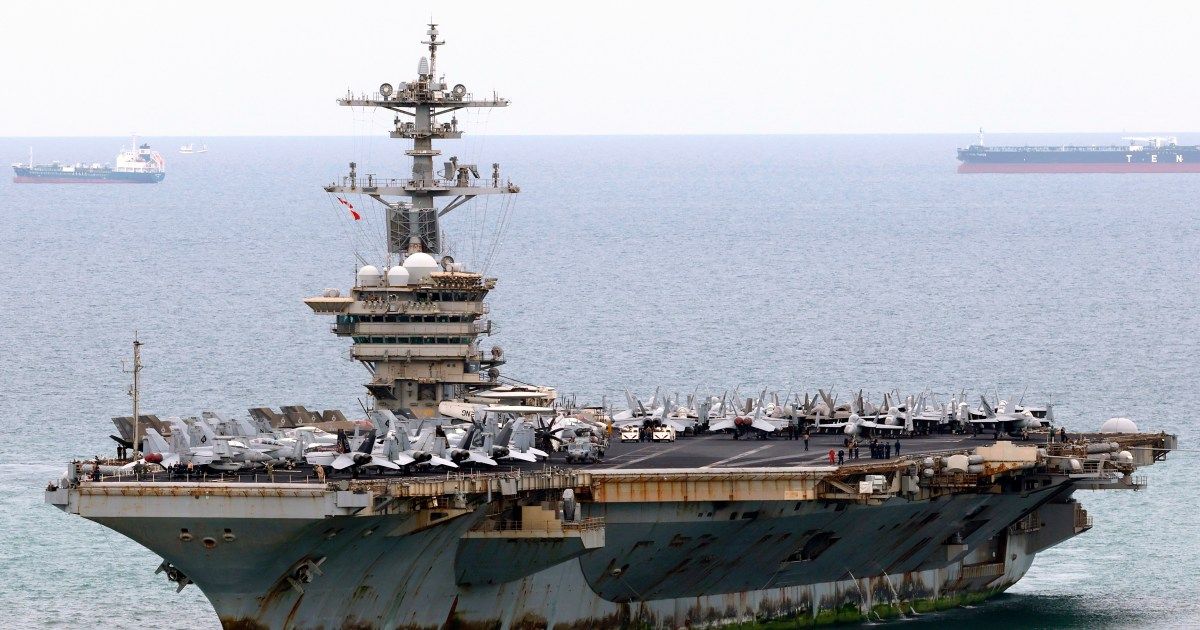
The United States has initiated a massive military reinforcement in the Middle East, highlighted by the planned deployment of a third aircraft carrier strike group to the region. According to senior defense officials speaking to Al Jazeera, this substantial build-up includes the integration of advanced F-35 stealth fighters, Marine expeditionary units, and a total force deployment approaching 50,000 personnel. This strategic posture is designed to project formidable power and exert maximum pressure on Tehran amid stalled diplomatic negotiations regarding regional security and nuclear activities.
The escalation marks a significant pivot in Washington's defense strategy, shifting from deterrence to active forward-positioning. State actors across the region are reevaluating their security calculus as the deployment expands the US footprint across key air and naval bases. Intelligence assessments indicate that the influx of military hardware is intended to deter potential proxy attacks against Western assets and reassure regional allies, though critics warn it drastically narrows the window for diplomatic resolution and increases the risk of miscalculation.
Global Trade & Economic Ripples
The military buildup has sent immediate tremors through global commodity markets, particularly concerning international energy supplies. The Middle East remains the heartbeat of global crude production, and any sustained military escalation directly threatens vital maritime trade routes, most notably the Strait of Hormuz. Through this narrow waterway flows a significant fraction of the world's petroleum supply, making it an indispensable artery for international commerce.
Energy traders have quickly priced in a heightened risk premium, leading to volatile fluctuations in Brent and WTI crude benchmarks. Shipping lines and maritime insurers are reassessing transit risks through the Persian Gulf and the Gulf of Oman, with potential rerouting threatening to inflate freight rates and extend delivery timelines. Beyond petroleum, industrial metals and agricultural commodities face secondary pressures as global supply chains react to higher bunker fuel costs and potential currency volatility in emerging markets dependent on stable energy imports.
Related Intelligence: OpenAI Ousters Reveal Critical Vulnerabilities in Artificial Intelligence Supply Chains
International Reactions & Diplomatic Stances
The international community has responded with cautious alarm to the escalating military posture. Officials at the United Nations have issued renewed appeals for restraint, emphasizing that dialogue remains the only viable path to long-term regional stability. Multilateral bodies and European Union representatives have urged all parties to avoid actions that could trigger a wider conflict, highlighting the precarious state of the global economic recovery.
Meanwhile, market analysts and geopolitical risk consultancies have intensified their monitoring of the situation. Financial institutions have adjusted their macroeconomic forecasts, factoring in the possibility of sustained high energy prices if diplomatic channels fail to yield a de-escalation framework. Regional governments have expressed varying degrees of concern, balancing their security alliances with Washington against the immediate economic imperatives of maintaining peace and open trade corridors.
Strategic Outlook & Future Scenarios
Looking ahead, the trajectory of US-Iran relations will likely depend on whether the current military deployment serves as a successful deterrent or a catalyst for unintended confrontation. Upcoming diplomatic summits and closed-door negotiations will be critical testing grounds for potential backchannel talks. Observers are closely watching for any signal of sanctions relief or reciprocal de-escalation measures that could alleviate regional tensions.
In the event of a prolonged standoff, global commodity markets must prepare for persistent volatility. Energy infrastructure remains a primary point of vulnerability, and any localized skirmish could precipitate severe supply shocks. Corporations and institutional investors are therefore advised to incorporate robust risk mitigation strategies, keeping a close watch on maritime security updates and diplomatic communiques from the region.
Join Our Official WhatsApp Channel
Receive live commodity alerts, policy changes, and commercial intelligence directly on WhatsApp.