
Flydubai Cockpit Incident Triggers Aviation and Regional Security Concerns
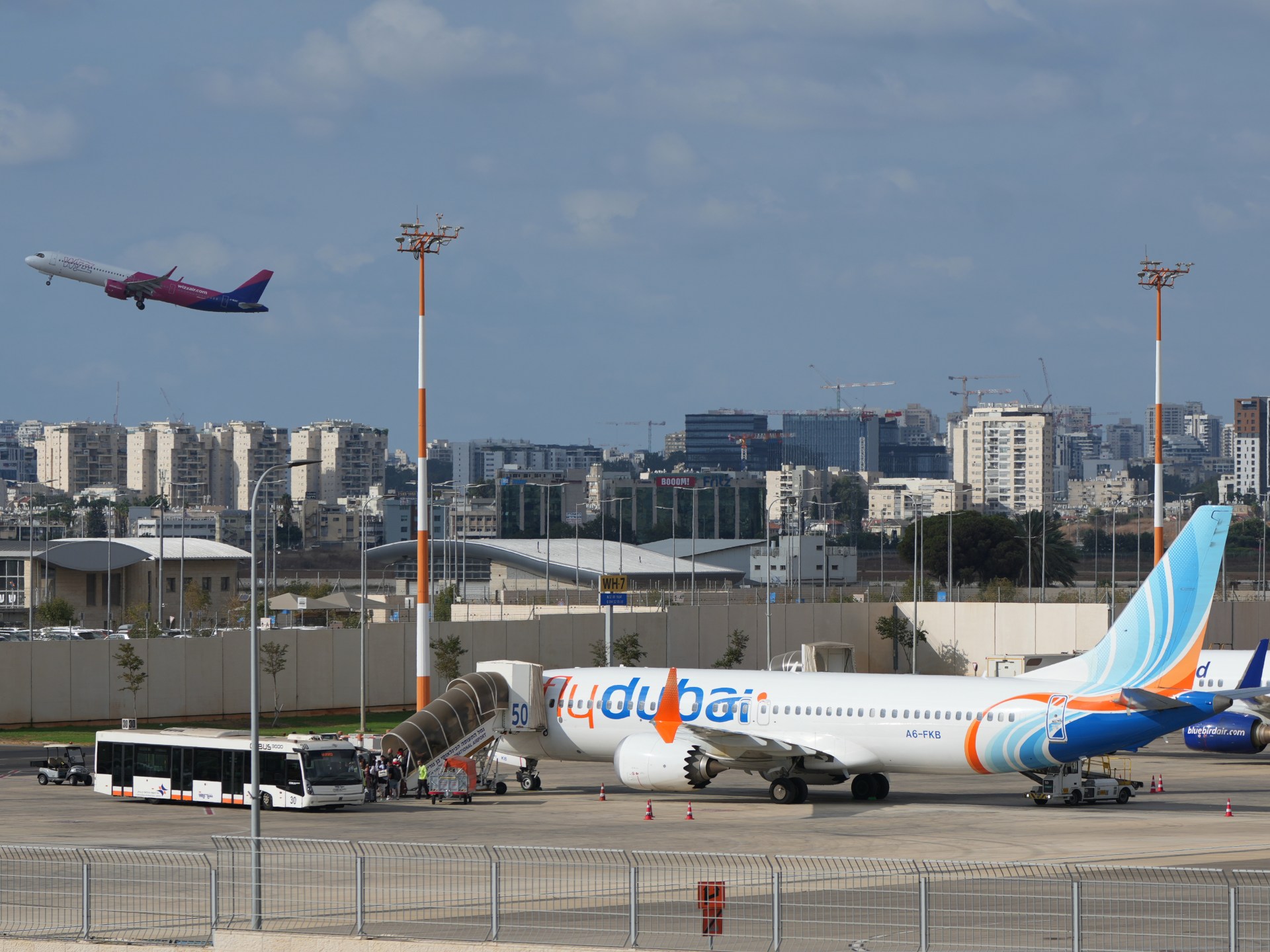
An extraordinary mid-air cockpit incident on a Flydubai flight from Dubai to Tel Aviv has raised international aviation and security concerns following Israeli leadership confirmation of a violent confrontation.
Geopolitical & Core Developments
A routine commercial flight across the Middle East transformed into a security crisis when a Flydubai service operating between Dubai and Tel Aviv experienced a catastrophic internal breach. According to statements released by Israeli Prime Minister Benjamin Netanyahu and corroborated by regional aviation authorities, a violent altercation occurred within the flight deck involving the operating crew. Initial reports indicate that one pilot allegedly assaulted the other before attempting to manipulate the aircraft controls in a manner that threatened the safety of the vessel. The flight, carrying hundreds of international passengers, was forced to execute an emergency diversion, landing safely at a designated regional facility under high security.
The incident has sent shockwaves through international civil aviation networks. The route between the United Arab Emirates and Israel, established following the signing of the Abraham Accords, has served as a vital commercial and diplomatic bridge. This event introduces a volatile human-factor variable into a corridor that is already heavily scrutinized due to broader regional hostilities. Intelligence agencies across multiple jurisdictions are currently reviewing flight recorder data, crew communication logs, and background vetting procedures to determine the precise sequence of events and potential motives behind the cockpit breach.
Global Trade & Economic Ripples
While the immediate crisis was averted through rapid emergency response protocols, the broader economic and commercial implications for regional trade and travel are profound. The Middle East remains a critical crossroads for global logistics, energy supply chains, and international aviation hubs such as Dubai International Airport. Security incidents of this magnitude directly impact carrier valuations, insurance premiums, and passenger confidence across the Gulf-Levant corridor. Commercial aviation stocks and regional tourism indexes experienced immediate downward pressure following news briefings from Jerusalem and Dubai.
Furthermore, the integration of commercial links between Gulf states and Israel faces renewed scrutiny. Supply chain managers and corporate travel coordinators are reassessing risk parameters for personnel transiting the region. While cargo operations continue largely unabated, any long-term tightening of airspace security or heightened regulatory oversight by international bodies such as the International Civil Aviation Organization (ICAO) could introduce operational delays and increased compliance costs for airlines operating in the Middle Eastern theatre.
Related Intelligence: Manchester City Financial Verdict Sends Shockwaves Through Global Sports Economy
International Reactions & Diplomatic Stances
Diplomatic channels have swung into high gear as governments and multilateral organizations demand transparent investigations into the cockpit breach. The International Civil Aviation Organization issued a preliminary statement emphasizing the absolute necessity of rigorous psychological screening and cockpit resource management standards. European and North American aviation regulators have offered technical assistance to regional authorities to analyze the security failure.
In the Gulf, officials from the United Arab Emirates have maintained close communication with Israeli counterparts to manage the fallout and reassure international partners of their commitment to aviation safety. Market analysts note that the measured diplomatic response from both nations aims to prevent the incident from derailing wider normalization frameworks. However, the revelation that a flight deck could experience such a catastrophic breakdown in command underscores the persistent vulnerability of critical transport infrastructure to internal security threats.
Strategic Outlook & Future Scenarios
Looking ahead, the Flydubai cockpit incident is expected to accelerate global regulatory reviews concerning pilot mental health monitoring, biometric cockpit access controls, and multi-layered crew oversight. Upcoming summit meetings of international aviation safety boards will likely place heightened emphasis on real-time cockpit monitoring and emergency intervention protocols.
For the geopolitical landscape of the Middle East, the episode serves as a stark reminder that security risks extend beyond external state actors and ballistic threats into the operational vulnerabilities of everyday commercial infrastructure. As governments tighten screening procedures and airlines reassess risk mitigation strategies, the incident will permanently alter the operational calculus for trans-regional commercial aviation.
Join Our Official WhatsApp Channel
Receive live commodity alerts, policy changes, and commercial intelligence directly on WhatsApp.