
Flydubai Cockpit Attack on Tel Aviv Flight Sparks Aviation Security Review
A violent cockpit altercation aboard a Flydubai flight to Tel Aviv has prompted international aviation authorities to re-evaluate pilot security protocols amid heightened Middle Eastern geopolitical tensions.
Geopolitical & Core Developments
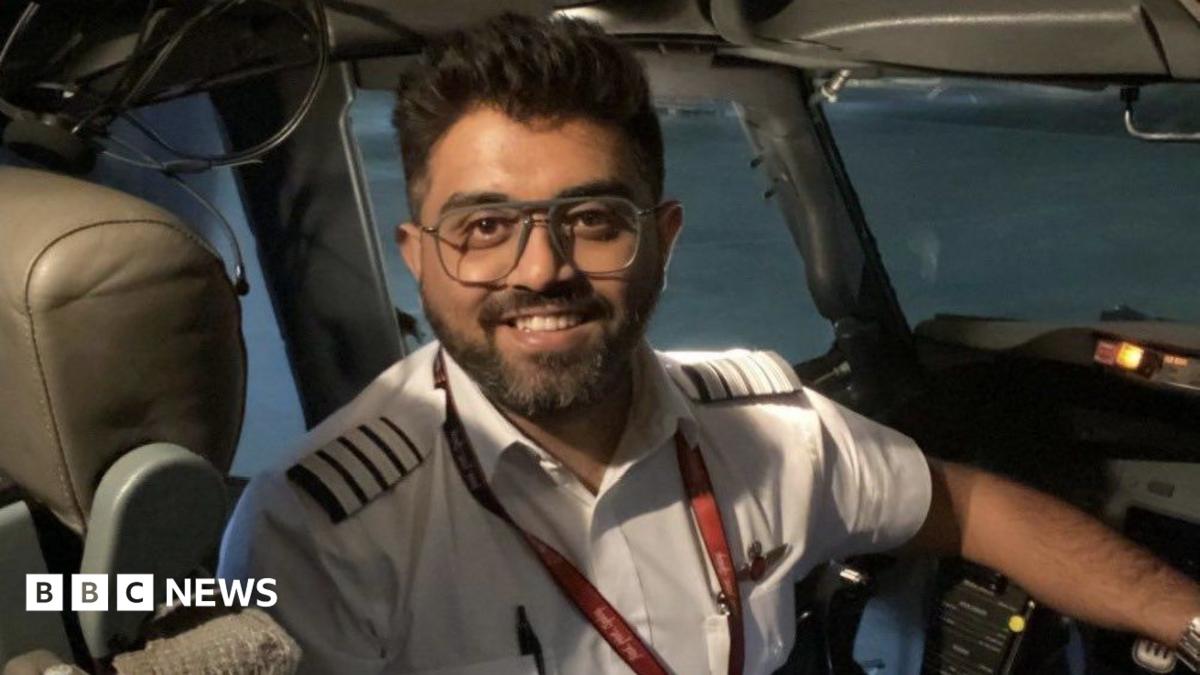
The stabilization of Middle Eastern commercial aviation faced an unexpected crisis following a violent altercation aboard a Flydubai flight destined for Tel Aviv's Ben Gurion International Airport. Captain Smit Machchhar, an Indian national serving as pilot, successfully neutralized a life-threatening in-flight assault perpetrated by a fellow crew member inside the flight deck. The incident, originating mid-air over a politically volatile corridor, immediately triggered heightened security alerts across regional air traffic control networks. While initial reports confirmed the threat was swiftly contained before impacting flight safety or structural integrity, the nature of the breach has sent shockwaves through international civil aviation authorities. State actors and intelligence agencies across the Middle East and South Asia have initiated parallel investigations to determine the psychological and operational catalysts behind the cockpit attack, examining potential links to broader regional security anxieties.
Global Trade & Economic Ripples
Commercial aviation serves as the vital circulatory system for global trade, supply chains, and high-value commodity movements. Disruptions along critical Middle Eastern air corridors carry immediate economic consequences for international logistics, air cargo capacity, and insurance premiums. While the Flydubai incident did not result in a physical crash or airspace closure, market analysts warn that heightened security anxieties could translate into increased operational overhead for carriers operating in high-risk zones. Premium surcharges on hull and liability insurance are anticipated to rise for airlines routing through Tel Aviv and neighboring airspace. Furthermore, the incident underscores the vulnerability of human capital within complex logistical frameworks, prompting multinational freight and passenger carriers to reassess risk management protocols that directly impact the velocity of international trade and business travel.
Related Intelligence: DG ISPR Exposes Indian False-Flag Operations and Regional Security Threats
International Reactions & Diplomatic Stances
Global regulatory bodies, including the International Civil Aviation Organization (ICAO) and regional transport ministries, have responded to the incident with calls for standardized, rigorous psychological evaluations and cockpit access controls. Diplomatic missions in New Delhi, Dubai, and Tel Aviv have remained in close communication regarding the welfare of Captain Machchhar, whose decisive actions prevented a catastrophic outcome. Industry groups, commercial pilots' associations, and labor unions have issued joint statements emphasizing the psychological pressures currently faced by flight crews operating in active geopolitical conflict zones. Market analysts note that these institutional reactions may accelerate the deployment of advanced biometric and behavioral monitoring systems within commercial cockpits globally.
Strategic Outlook & Future Scenarios
As civil aviation authorities digest the implications of the Flydubai cockpit breach, the trajectory of regional flight operations faces increased regulatory friction. Upcoming international transport summits are expected to prioritize enhanced insider-threat mitigation strategies, potentially rewriting standard operating procedures for multi-national flight crews. Governments and flag carriers are likely to face intensified pressure from corporate travelers and regulatory watchdogs to enforce stricter vetting processes. Without proactive international cooperation, isolated security breaches threaten to compound existing operational bottlenecks, introducing structural volatility into the global aviation sector and altering the cost-benefit calculus of Middle Eastern route networks.
Join Our Official WhatsApp Channel
Receive live commodity alerts, policy changes, and commercial intelligence directly on WhatsApp.