
Flydubai Cockpit Incident Exposes Global Aviation Safety Vulnerabilities
An alarming cockpit security breach on a Flydubai flight has triggered international concern, forcing global aviation regulators to re-evaluate pilot psychological screening and medical certification protocols.
Geopolitical & Core Developments
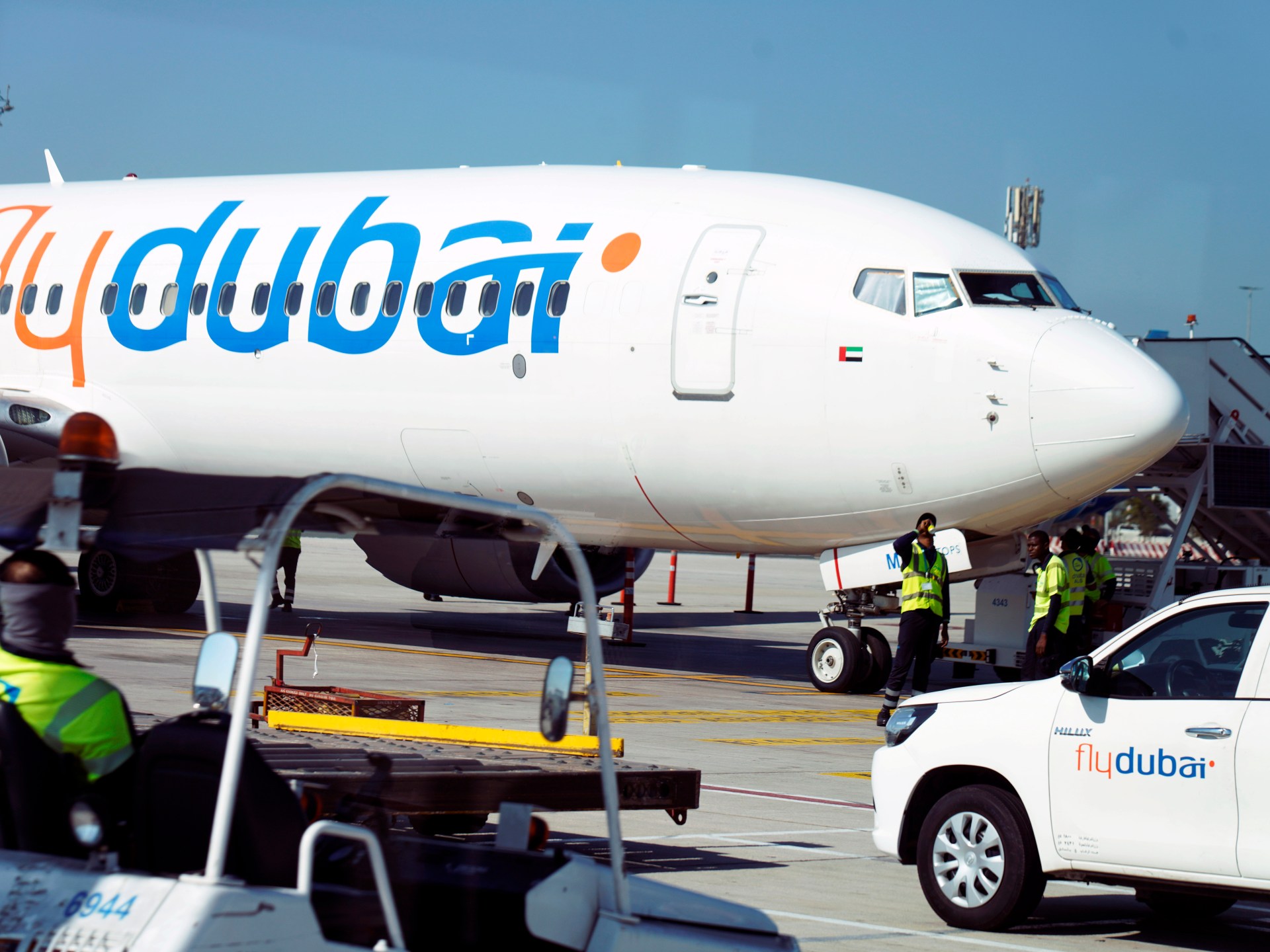
The recent security scare involving a Flydubai flight—where a pilot allegedly attacked a co-pilot mid-flight—has transcended a routine operational breach to become a major diplomatic and regulatory flashpoint. The incident, which has drawn acute attention from Israeli authorities and international civil aviation bodies, exposes critical vulnerabilities in how commercial airlines vet cockpit crews. Regulatory frameworks governing cross-border aviation heavily rely on mutual recognition of home-country medical and psychological certifications. However, this event underscores a systemic failure in detecting psychological deterioration among flight deck personnel before they assume control of commercial aircraft carrying hundreds of passengers. State aviation authorities, particularly in the Middle East and Mediterranean corridors, are now under immense pressure to harmonize safety standards and ensure that national carriers do not compromise rigorous psychological evaluations in the face of acute pilot shortages. The timeline of the incident reveals alarming gaps in real-time cockpit threat mitigation, prompting aviation security experts to demand immediate overhauls of standard operating procedures for crew conflict management.
Global Trade & Economic Ripples
While the Flydubai incident is primarily a safety and regulatory crisis, its economic implications for the global aviation and logistics sectors are profound. Commercial aviation is a vital artery for international trade, global commodity supply chains, and business mobility. Any erosion of passenger confidence in flight safety directly impacts airline valuations, passenger yields, and international tourism revenues. Furthermore, the likely regulatory fallout will introduce stricter compliance mandates, mandatory psychological re-evaluations, and enhanced cockpit surveillance technologies. These new mandates will translate into significant capital expenditures for global carriers already grappling with high fuel costs, supply chain bottlenecks for aircraft parts, and inflationary pressures. Insurance underwriters are also expected to re-price aviation liability risks, potentially increasing operational overheads for regional and international airlines alike. As commercial aviation remains deeply intertwined with global economic velocity, heightened safety friction threatens to marginally increase operational turnaround times across key international transit hubs.
Related Intelligence: Iraqi Kurdish Peshmerga Unification Reshapes Middle East Security Dynamics
International Reactions & Diplomatic Stances
International reaction has been swift, with civil aviation authorities, international labor organizations, and security analysts calling for an immediate, transparent investigation into how the pilot in question retained operational clearance. Multilateral bodies, including the International Civil Aviation Organization (ICAO), are facing renewed demands to establish binding global protocols for psychological fitness rather than leaving such critical determinations entirely to individual carrier discretion. Market analysts note that international routes involving Israel and Gulf carriers are subject to heightened geopolitical sensitivities, making transparent cross-border cooperation essential to prevent diplomatic friction. Government regulators in several jurisdictions have already initiated independent reviews of foreign carrier operating permits, signaling a potential shift toward more assertive unilateral oversight if multilateral bodies fail to enforce stringent, uniform psychological screening standards across the global aviation ecosystem.
Strategic Outlook & Future Scenarios
Looking ahead, the Flydubai cockpit breach is expected to serve as a watershed moment for commercial aviation safety policy. Upcoming global aviation summits will likely feature emergency panels dedicated to mental health monitoring in high-stress operational environments. The trajectory of regulatory reform points toward the integration of advanced biometric and psychological tracking tools, alongside stricter whistleblower protections for co-pilots reporting erratic behavior by senior flight deck officers. However, these measures may face pushback from pilot unions concerned about privacy rights and overreaching medical disqualifications amid a severe global pilot deficit. Ultimately, the ability of international regulatory bodies to forge a consensus on pilot vetting will determine whether this incident remains an isolated warning or catalyzes a permanent, friction-heavy transformation of global commercial flight operations.
Join Our Official WhatsApp Channel
Receive live commodity alerts, policy changes, and commercial intelligence directly on WhatsApp.