
Federal Minister Challenges KP Police Act in Supreme Court Amid Security Crisis
Federal authorities are moving to challenge the Khyber Pakhtunkhwa Police Act in the Supreme Court, sparking severe concerns among business leaders over institutional friction and regional security stability.
The Core Development
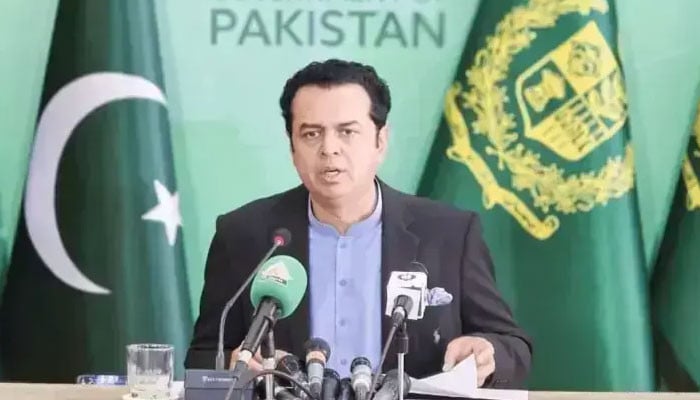
The political and legal landscape of Pakistan witnessed a sharp escalation as a senior federal minister announced intentions to formally challenge the Khyber Pakhtunkhwa (KP) Police Act in the Supreme Court of Pakistan. The move follows months of simmering friction between federal authorities and the provincial government regarding command structures, administrative autonomy, and operational oversight of law enforcement agencies in the province. According to administrative insiders, the federal cabinet has raised fundamental constitutional questions concerning the devolution of policing powers and accountability frameworks stipulated under the provincial legislation. The legal petition, expected to be filed before the apex court within days, argues that certain provisions of the KP Police Act infringe upon federal oversight mandates and compromise coordinated counter-terrorism strategies. Legal experts note that this challenge could trigger a landmark constitutional debate regarding provincial autonomy versus federal writ in maintaining internal security, particularly in a region that serves as a critical trade corridor bordering Afghanistan.
Commercial & Economic Implications
For Kalyar Traders and the broader business community operating across northern Pakistan, the deepening institutional standoff carries profound economic repercussions. Khyber Pakhtunkhwa acts as the primary gateway for bilateral trade with Central Asia through the Torkham border, making commercial stability directly dependent on robust security enforcement. Persistent political polarization and legal disputes between the central and provincial governments inevitably translate into administrative delays, unpredictable highway security, and heightened risks for freight forwarders and wholesale distributors. Retail trade and market confidence in Peshawar, Nowshera, and surrounding commercial hubs face immediate headwinds as business owners express anxiety over potential civil unrest or policy paralysis. Supply chains handling essential commodities, agricultural goods, and imported raw materials are particularly vulnerable to disruptions whenever law enforcement priorities become mired in jurisdictional disputes between civil bureaucracies and political leadership.
Related Intelligence: Moroccan Electoral Shift Signals New Political Dynamics and Economic Continuity
Stakeholder Perspectives & Market Reactions
Trade bodies, chambers of commerce, and industrial associations have reacted to the looming Supreme Court battle with cautious apprehension. Representatives from major northern trade unions emphasize that commercial enterprises require a predictable regulatory and security environment to sustain investments and manage pricing stability amidst high national inflation. Legal analysts suggest that while judicial intervention may clarify constitutional boundaries regarding police administration, protracted litigation could deepen administrative uncertainty. Meanwhile, provincial spokespersons have defended the KP Police Act as a necessary instrument for localized governance and institutional reform, vowing to contest any legal challenge vigorously. Public response remains polarized, with civil society groups divided over whether centralized oversight or decentralized provincial control offers a more effective safeguard against rising security challenges and economic volatility.
Forward Outlook & Key Watchpoints
As the formal petition heads toward the Supreme Court, stakeholders across the financial and industrial sectors are closely monitoring several critical indicators. Key watchpoints include the apex court's initial observations on admissibility, potential interim orders affecting police command structures, and any consequential shifts in federal-provincial fiscal and administrative cooperation. For businesses operating in Khyber Pakhtunkhwa, maintaining robust contingency plans for supply chain logistics remains imperative as the constitutional battle unfolds. The ultimate resolution of this dispute will likely redefine the parameters of provincial autonomy in internal security management, setting a definitive precedent for governance and economic stability across Pakistan's federating units.
Join Our Official WhatsApp Channel
Receive live commodity alerts, policy changes, and commercial intelligence directly on WhatsApp.