
US Court Reinstates White House Press Access in Landmark First Amendment Ruling
A federal court has ordered the US administration to restore White House press credentials for major news outlets, marking a crucial legal defense of press freedom.
Geopolitical & Core Developments
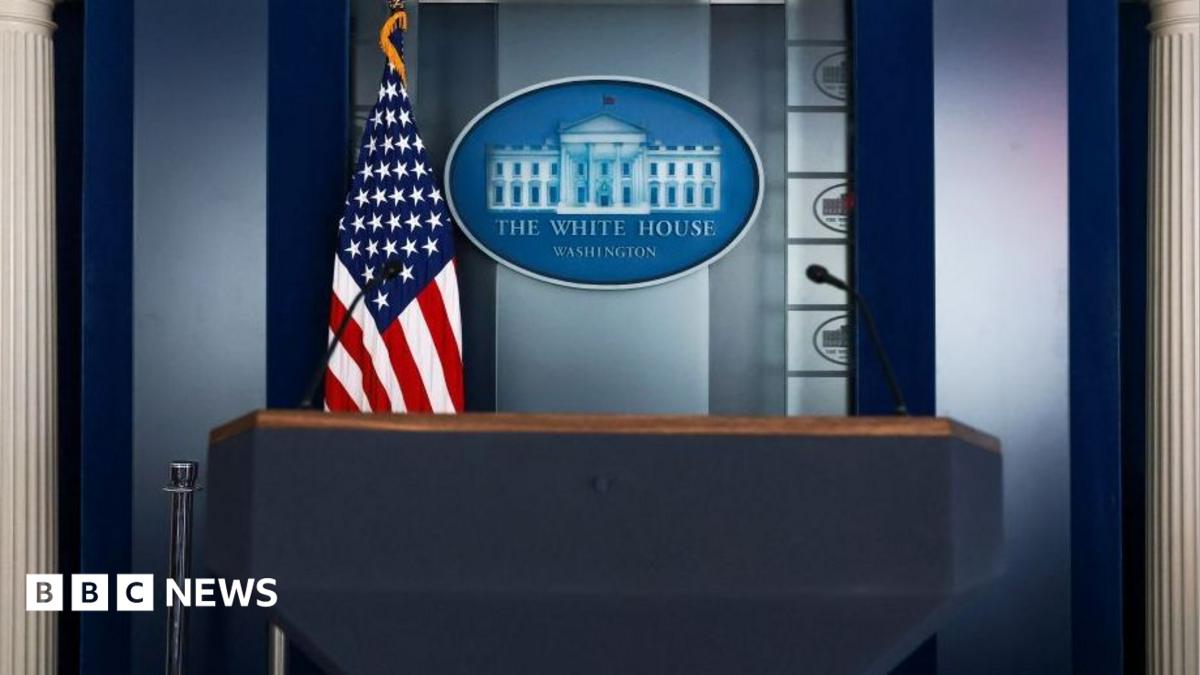
A United States federal court has issued a temporary injunction ordering the executive branch to immediately reinstate press credentials for journalists representing CNN, Politico, and MS NOW. The sweeping judicial directive halts an unprecedented administration policy that had barred these prominent news organizations from entering the White House complex, a move officials had justified under executive authority to regulate internal press operations.
The legal showdown stems from a coordinated constitutional challenge filed by media coalitions, arguing that viewpoint-based exclusion from traditional public forums violates the First Amendment and due process rights. During emergency hearings, federal judges scrutinized the administration's rationale, noting that the systematic revocation of access without transparent administrative standards sets a dangerous precedent for state oversight of independent media. The ruling underscores the enduring checks and balances embedded within the United States constitutional framework, demonstrating the judiciary's willingness to intervene when executive actions impinge upon foundational democratic norms. Legal analysts emphasize that while the injunction is temporary, the substantive constitutional questions raised will likely necessitate a protracted judicial review, potentially reaching the Supreme Court to establish definitive boundaries on presidential control over institutional press access.
Global Trade & Economic Ripples
While the dispute appears primarily domestic in nature, international markets and foreign commercial stakeholders monitor the stability of American governance structures with intense scrutiny. Global commodity traders, foreign exchange investors, and multinational corporations view the predictability and transparency of United States policy as a foundational pillar of the international financial architecture. Any perception of institutional volatility or erosion of the rule of law within Washington can trigger precautionary sentiment across global equity and debt markets.
Furthermore, state-controlled media ecosystems abroad have seized upon the domestic political friction to critique Western narratives surrounding press freedom and democratic governance. In major financial capitals from London to Tokyo, risk analysts note that prolonged political polarization and legal battles involving the executive branch can subtly influence investor confidence, occasionally introducing short-term volatility into currency pairings and sovereign debt yields. The uninterrupted flow of accurate, unhindered information from the heart of the American government remains an essential public good for international markets that rely on instantaneous policy assessments to price sovereign risk and trade commodities.
Related Intelligence: Lahore High Court Orders Punjab Police to Rectify Illegible FIR Formatting
International Reactions & Diplomatic Stances
Foreign governments and international multilateral institutions have observed the unfolding legal battle with diplomatic discretion, recognizing the sensitivity of commenting on internal American judicial matters. However, press freedom advocates and international journalism federations, including Reporters Without Borders and the International Press Institute, have issued strong statements welcoming the court's intervention. These bodies emphasize that the unrestricted operation of the press corps within major Western capitals serves as a global benchmark for transparency and accountability.
Conversely, geopolitical competitors and authoritarian regimes have utilized the domestic turmoil to counter international criticism regarding their own domestic media environments. State-aligned news networks in several strategic regions have highlighted the executive-press confrontation to argue that institutional friction is a universal phenomenon, challenging the moral authority of Western diplomatic messaging on human rights and civic liberties. Despite these external narratives, Western diplomats maintain that the court's swift action illustrates the robust self-correcting mechanisms inherent in democratic legal systems.
Strategic Outlook & Future Scenarios
As the legal proceedings advance toward a full trial, the implications of the dispute will extend far beyond the Beltway. The final adjudication will establish a vital constitutional precedent regarding the limits of executive power over information access, shaping how future administrations interact with the press corps during times of intense political polarization. For international observers, the trajectory of this case will serve as an ongoing barometer of the resilience of American democratic institutions.
Upcoming political milestones, including the legislative calendar and upcoming electoral cycles, will intersect with the judiciary's final determinations. Should the courts permanently enjoin the executive branch from restricting press access, it will reinforce the legal wall separating partisan politics from constitutional rights. Conversely, a reversal on appeal could fundamentally alter the landscape of political journalism in the United States, casting a long shadow over the future of transparent governance and global perceptions of institutional stability.
Join Our Official WhatsApp Channel
Receive live commodity alerts, policy changes, and commercial intelligence directly on WhatsApp.