
Trump and Xi Summit Set High Stakes for Global Trade and Technology
President Xi Jinping's landmark White House visit brings Washington and Beijing to a critical juncture over trade, artificial intelligence, and regional security.
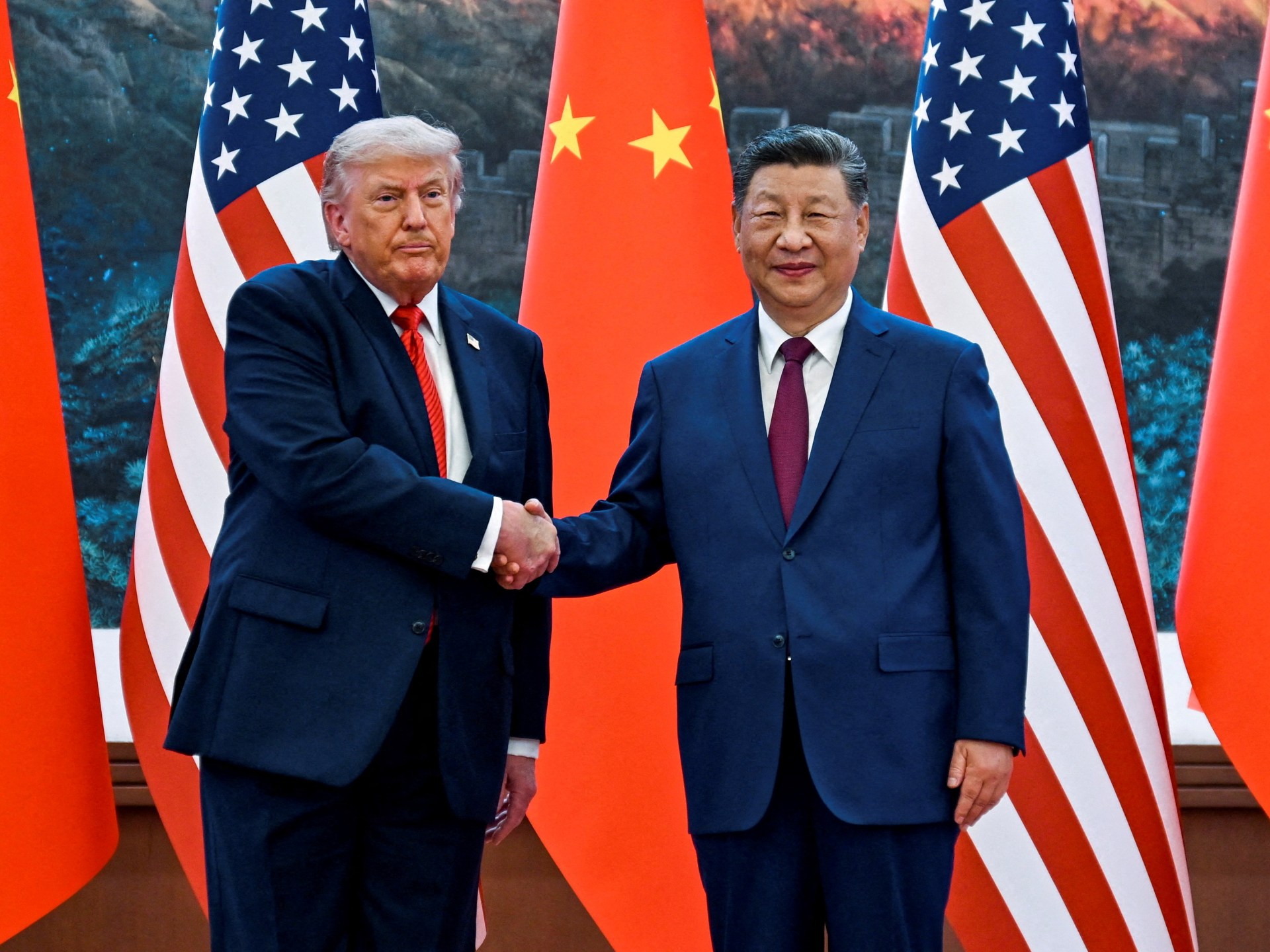
Geopolitical & Core Developments
In a diplomatic engagement of profound global consequence, Chinese President Xi Jinping has arrived at the White House for his first official visit to Washington in more than a decade. The high-stakes summit with United States President Donald Trump convenes against a backdrop of deeply entrenched strategic competition. The agenda addresses the most volatile flashpoints in contemporary international relations, ranging from semiconductor supremacy and artificial intelligence governance to long-standing disputes over Taiwan's sovereignty and escalating security dynamics in the Middle East, specifically regarding Iran.
The meeting represents a critical effort by both superpowers to establish guardrails amidst intensifying technological decoupling and geopolitical friction. While diplomatic channels have remained active through working-level dialogues, the summit at the highest level aims to prevent strategic miscalculation. Both administrations face intense domestic political pressures to project strength, narrowing the diplomatic space for sweeping concessions, yet the sheer weight of economic interdependence demands a managed framework for coexistence.
Global Trade & Economic Ripples
The outcome of the Washington summit carries immediate and profound implications for global commerce, commodity markets, and international supply chains. At the centre of the economic debate are sweeping tariff structures and advanced technology export controls that have disrupted traditional trade flows between the world's two largest economies. Multinational corporations across Asia, Europe, and the Americas are closely monitoring discussions on artificial intelligence components and critical mineral supply chains, which remain vulnerable to sudden regulatory shifts.
Energy markets and maritime logistics are similarly exposed to the diplomatic trajectory of the talks. Ongoing tensions involving Iran and vital maritime chokepoints intersect with broader US-China energy procurement strategies. Any potential alignment or hardening of positions on sanctions enforcement directly impacts global crude pricing, freight insurance rates, and international shipping routes. Commodities traders are positioning themselves for heightened volatility as the two leaders navigate the complex architecture of bilateral commerce.
Related Intelligence: US Court Reinstates White House Press Access in Landmark First Amendment Ruling
International Reactions & Diplomatic Stances
Global capitals and multilateral institutions have responded to the summit with a mixture of cautious optimism and acute anxiety. United Nations officials have underscored the necessity of stable great-power relations for maintaining global economic recovery and addressing transnational challenges. Meanwhile, European Union trade representatives have signalled that any bilateral trade accommodations between Washington and Beijing must comply with World Trade Organization rules and safeguard third-market economies from collateral damage.
Market analysts and financial institutions emphasize that the summit's success will be measured less by grand communiques and more by incremental agreements on regulatory transparency and crisis communication channels. Financial markets have displayed nervous anticipation, reflecting the reality that investor sentiment remains acutely sensitive to any disruption in trans-Pacific supply chains or escalation of trade restrictions.
Strategic Outlook & Future Scenarios
Looking beyond the immediate diplomatic optics, the summit establishes the baseline for great-power competition over the coming decade. Analysts identify several critical escalation points and upcoming multilateral forums where these competing visions will continue to clash. The trajectory of artificial intelligence standard-setting, maritime security protocols in the Indo-Pacific, and compliance mechanisms for existing trade pacts will determine whether the relationship deteriorates into a fragmented bipolar economic order or stabilizes into managed competition.
As supply chains continue to undergo structural diversification—with manufacturing shifting toward alternative hubs in Southeast Asia, Latin America, and South Asia—both Washington and Beijing must adapt to a multipolar economic reality. The decisions forged during this summit will reverberate through international trade agreements, corporate investment strategies, and geopolitical alignments for years to come.
Join Our Official WhatsApp Channel
Receive live commodity alerts, policy changes, and commercial intelligence directly on WhatsApp.