
Moroccan Electoral Shift Signals New Political Dynamics and Economic Continuity
Morocco's recent parliamentary elections reveal deep political fragmentation and low voter turnout, alongside a surprising resurgence by the Justice and Development Party, balancing domestic political shifts with steady macroeconomic planning.
Geopolitical & Core Developments
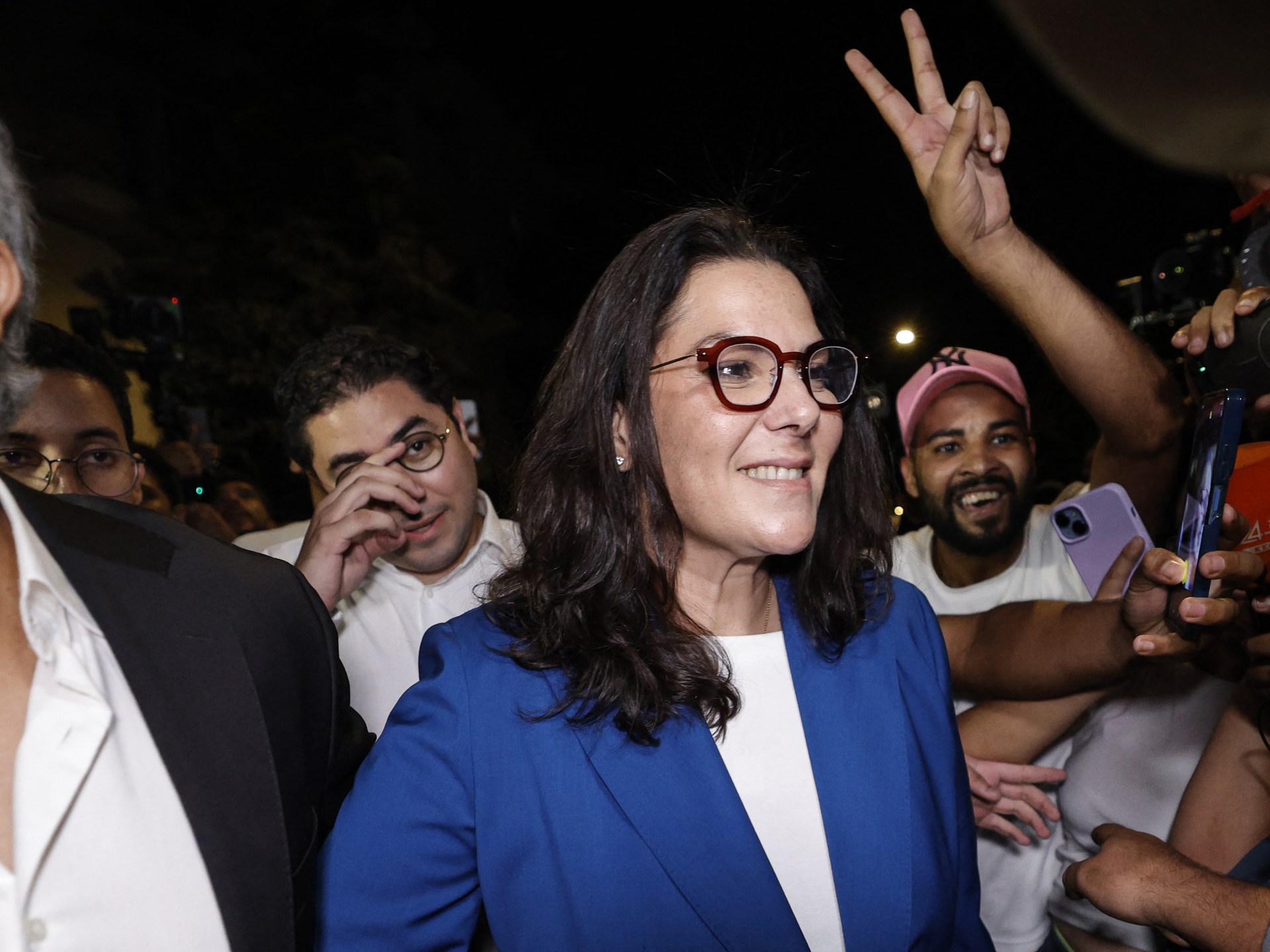
Morocco's recent general elections have redrawn the domestic political landscape, characterized by acute electoral fragmentation and a striking paradox between voter apathy and legislative realignment. Official results confirmed that the Authenticity and Modernity Party (PAM), known for its liberal orientation and proximity to the royal establishment, secured the highest number of parliamentary seats. However, the most striking narrative of the electoral cycle was the dramatic political resurrection of the Justice and Development Party (PJD), the moderate Islamist formation that quadrupled its legislative representation despite prior heavy losses.
Simultaneously, voter turnout plummeted to its second-lowest level under the reign of King Mohammed VI, underscoring a widening chasm between the electorate and conventional political institutions. Analysts attribute this disengagement to socioeconomic pressures, inflation anxieties, and skepticism regarding the efficacy of party politics. While executive power in Morocco remains anchored in the monarchy—which directs overarching strategic, security, and foreign policies—the parliamentary configuration dictates domestic legislative priorities, social spending, and regional administrative management. The coexistence of a PAM-led executive coalition alongside a revitalized PJD opposition sets the stage for robust parliamentary debate, even as ultimate sovereign directives remain insulated from electoral fluctuations.
[Global Trade](/news/trump-xi-summit-trade-tech-taiwan-iran) & Economic Ripples
From a commercial standpoint, Morocco occupies a pivotal geostrategic position linking Mediterranean trade networks, sub-Saharan African markets, and transatlantic supply chains. As the world's leading exporter of phosphate and a critical hub for automotive manufacturing, aerospace components, and renewable energy investments, political stability in Rabat is paramount for international commodity markets. The election results reinforce institutional continuity, reassuring foreign investors and multinational corporations engaged in the kingdom's ambitious green hydrogen and industrial upgrading initiatives.
Global energy markets and commodity traders monitoring North African logistics have noted that the electoral transition will not disrupt ongoing public-private partnerships or major infrastructure projects, such as the expansion of the Tanger-Med port complex. Furthermore, Morocco's robust agricultural export sector and emerging status as an electric vehicle battery supply chain node remain insulated from partisan friction. International lenders, including the International Monetary Fund and the World Bank, view Morocco's macroeconomic framework as resilient, supported by prudent fiscal policies and structural reforms designed to enhance competitiveness despite domestic consumer price pressures.
Related Intelligence: Ethiopian Conflict Widening Deepens Global Commodity and Regional Stability Risks
International Reactions & Diplomatic Stances
International partners, particularly within the European Union and multilateral financial institutions, have closely monitored the Moroccan electoral process, emphasizing the country's role as a cornerstone of regional stability in North Africa. European capitals view Rabat as an indispensable partner in migration management, counter-terrorism cooperation, and energy diversification strategies, particularly regarding green energy corridors linking North Africa to southern Europe.
Diplomatic observers in Washington and Brussels have underscored that regardless of the coalition dynamics emerging from the parliamentary negotiations, Morocco's foreign policy posture remains steadfast. This includes its strategic partnerships with Western allies, ongoing diplomatic management of regional territorial disputes, and expanding commercial penetration into West African markets. Multilateral bodies have praised the transparency of the electoral administration, noting that despite low voter participation, the institutional mechanisms functioned smoothly in accordance with the 2011 constitutional framework.
Strategic Outlook & Future Scenarios
As the newly elected parliament convenes to form a governing coalition, the primary strategic challenge for the incoming administration will be addressing youth unemployment, reducing regional economic disparities, and managing inflationary pressures on basic commodities. The tension between public demands for enhanced socioeconomic welfare and the imperative for fiscal consolidation will test the coalition's legislative cohesion.
Over the medium term, Morocco's geopolitical trajectory will likely be defined by its accelerated transition toward renewable energy independence, deepening integration with the African Continental Free Trade Area, and navigation of complex regional security dynamics. While domestic political fragmentation may occasionally slow down legislative processing, the overarching state architecture ensures that Morocco's foreign trade commitments, international alliances, and mega-project pipelines will proceed unabated, preserving the kingdom's status as a reliable anchor for global commerce and international diplomacy.
Join Our Official WhatsApp Channel
Receive live commodity alerts, policy changes, and commercial intelligence directly on WhatsApp.