
US and Australia Probe Diversion of F-35 Fighter Components to Hong Kong
Washington and Canberra have launched a joint security probe after sensitive F-35 stealth fighter components were mistakenly shipped to Hong Kong, raising acute defense technology security concerns.
Geopolitical & Core Developments
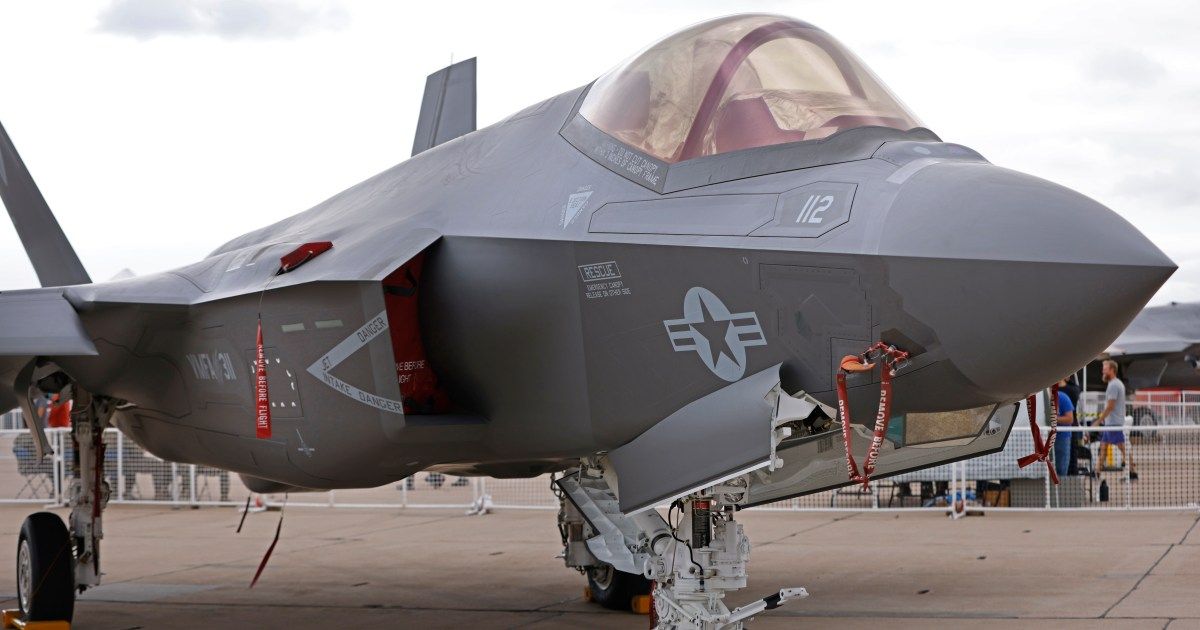
Defense and intelligence agencies in Washington and Canberra have initiated a high-level joint investigation following a serious security breach involving the misrouting of sensitive military hardware. Advanced components destined for the United States-manufactured Lockheed Martin F-35 Lightning II joint strike fighter program were inadvertently dispatched to Hong Kong instead of their intended operational facility. The incident, which has triggered immediate alarm within Western defense circles, exposes potential vulnerabilities in global military logistics networks and third-party freight forwarding channels.
Preliminary findings indicate that the sensitive shipment bypassed rigorous end-user verification protocols, landing in a global financial and logistical hub heavily integrated with mainland Chinese jurisdiction. Given the stringent export controls governing United States military technology—specifically International Traffic in Arms Regulations (ITAR)—the unauthorized diversion of fifth-generation stealth aircraft parts represents a profound security lapse. State actors and intelligence analysts are currently reconstructing the exact timeline of the logistical breakdown, examining whether human error, sophisticated administrative spoofing, or systemic vulnerabilities in commercial freight networks enabled the transfer.
[Global Trade](/news/trump-xi-summit-trade-tech-taiwan-iran) & Economic Ripples
While the incident centers on defense technology rather than commercial commodities, the fallout threatens to reverberate across international shipping lanes, aerospace supply chains, and dual-use trade compliance frameworks. Global logistics providers operating within major Indo-Pacific transshipment hubs like Hong Kong and Singapore now face the prospect of intensified regulatory audits and stricter customs enforcement by Western governments.
The broader aerospace and defense manufacturing sector relies heavily on complex, transnational supply chains spanning allied and non-aligned jurisdictions. Disruptions or enhanced compliance mandates stemming from this security lapse could significantly increase administrative overheads, lengthen delivery timelines, and prompt Western defense contractors to nearshore or friendshore critical component manufacturing. Furthermore, heightened scrutiny on maritime freight moving through Hong Kong could alter trade flows for dual-use electronic components, affecting broader electronics and high-tech manufacturing indices.
Related Intelligence: Hurricane Polo Threatens Mexican Infrastructure and Key Supply Chains
International Reactions & Diplomatic Stances
Official responses from Washington and Canberra have emphasized the severity of the breach while underscoring ongoing cooperation to secure the compromised hardware and prevent recurrence. Pentagon officials have engaged with Australian counterparts to evaluate the extent of the technology exposure, focusing heavily on whether proprietary software, telemetry data, or material composition specifications fell into unauthorized hands.
In Beijing, official commentary has maintained a measured tone, though state-affiliated media has closely monitored the narrative, framing the Western security review as an illustration of bureaucratic incompetence within allied military logistics. Meanwhile, international defense analysts and trade compliance experts have expressed profound concern over the efficacy of current freight tracking systems, warning that similar vulnerabilities could compromise other sensitive defense programs unless immediate remedial measures are implemented across international shipping corridors.
Strategic Outlook & Future Scenarios
As the investigation progresses, the geopolitical fallout is expected to catalyze a comprehensive overhaul of Western defense export control enforcement and supply chain verification mechanisms. Lawmakers in the United States Congress are anticipated to demand rigorous briefings from the Department of Defense and major defense contractors, potentially introducing legislation that mandates end-to-end cryptographic tracking for all military-grade shipments.
In the medium term, the incident will likely serve as a primary agenda item in upcoming bilateral security dialogues between the United States and its Indo-Pacific allies. Heightened vigilance over transit points in Hong Kong and other semi-autonomous territories will likely accelerate the decoupling of sensitive technological supply chains, reinforcing the strategic partition between Western defense ecosystems and Chinese commercial logistics networks.
Join Our Official WhatsApp Channel
Receive live commodity alerts, policy changes, and commercial intelligence directly on WhatsApp.