
European Sports Economy Faces Critical Test Amid Champions League Continental Showdowns
As Atletico Madrid hosts Manchester United in European competition, cross-border tourism, media licensing, and international sports governance intersect across major continental commercial hubs.
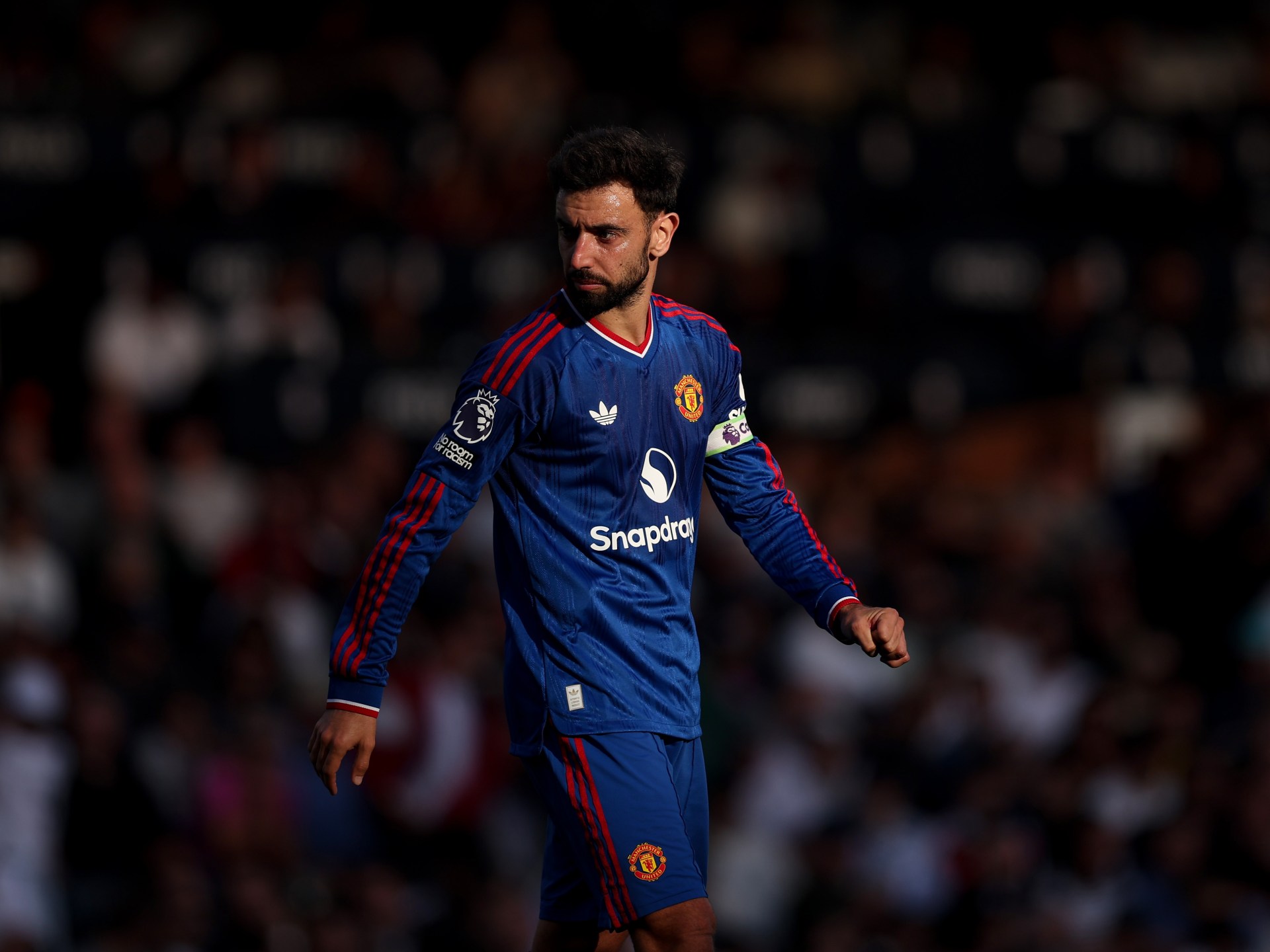
Geopolitical & Core Developments
The resumption of elite continental athletic fixtures across Western Europe brings renewed focus to the intricate intersection of cross-border commerce, multilateral security arrangements, and international media distribution. Atletico Madrid's hosting of Manchester United in the UEFA Champions League highlights not merely a high-stakes sporting encounter, but a logistical undertaking requiring extensive cooperation between Spanish civil protection authorities and United Kingdom consular bodies.
Navigating post-Brexit mobility protocols, European local authorities have systematically adapted border control and municipal crowd-management strategies for large cohorts of visiting foreign nationals. The logistical deployment across the Spanish capital underscores the formal bilateral mechanisms operating under the European Convention on Spectator Violence. Bilateral law enforcement liaisons between Madrid's municipal government and UK foreign operations personnel reflect standard modern diplomatic protocol for handling major transnational public gatherings, where urban infrastructure and public transit arteries must operate under heightened pressure.
Global Trade & Economic Ripples
Elite sporting spectacles of this magnitude serve as major drivers for European municipal service economies, directly impacting aviation, intra-European rail corridors, and metropolitan hospitality sectors. The cross-border movement of thousands of traveling consumers provides substantial short-term fiscal stimulus to Madrid's hospitality ecosystem, driving occupancy rates in central commercial districts and increasing consumer retail expenditures.
On a broader macroeconomic scale, European sporting assets function as key investment targets for sovereign wealth funds, multi-club conglomerates, and international institutional capital based in North America and the Middle East. Media rights agreements negotiated by UEFA represent multi-billion-euro transactions that influence global telecommunications capital expenditures and digital distribution networks. Cross-border broadcasting revenues provide vital foreign exchange inflows for domestic athletic associations, highlighting how premier entertainment assets mitigate domestic market volatility through globally diversified subscriber bases.
Related Intelligence: Pakistan Pursues T20I Whitewash as Bilateral Cricket Boosts Sports Economy
International Reactions & Diplomatic Stances
Municipal authorities in Madrid have emphasized the necessity of stringent crowd management and rigorous adherence to public safety standards, aligning local policing strategies with wider European Union urban security guidelines. The United Kingdom's Foreign, Commonwealth & Development Office (FCDO) issued standard travel advisories for citizens visiting Spain, reiterating the importance of respecting municipal ordinances, local transport regulations, and consular assistance channels.
Simultaneously, international sports governance analysts observe that commercial revenues derived from these marquee fixtures remain vital for stabilizing European club balance sheets in the wake of elevated operational inflation and shifting capital costs. Financial ratings bodies and sports economy consultancies underscore that sustained performance in international competition constitutes a prerequisite for maintaining sovereign and institutional investor interest, as corporate sponsorship valuations are deeply tied to brand exposure across priority Asian, North American, and Latin American media markets.
Strategic Outlook & Future Scenarios
Looking ahead, European athletic governance faces structural transformations driven by international capital flows and legal challenges to historic governing monopolies. The financial trajectory of participating institutions remains closely linked to European court rulings surrounding open competition, financial fair-play oversight, and cross-border broadcast licensing structures.
As metropolitan centers increasingly compete to host lucrative international events, municipal governments are expected to integrate major entertainment infrastructure into wider urban regeneration and foreign investment programs. Sustained high inflation and shifting corporate sponsorship strategies will likely accelerate institutional demand for capital consolidation across European entertainment holding companies, ensuring that elite sporting fixtures continue to serve as key conduits for international capital deployment and transnational tourism growth.
Join Our Official WhatsApp Channel
Receive live commodity alerts, policy changes, and commercial intelligence directly on WhatsApp.