
Sovereign Wealth Scrutiny Intensifies Over Gulf Football Investments
High-profile protests targeting Manchester City highlight mounting friction over Gulf state-backed capital deployment and sovereign wealth strategies in European cultural and economic sectors.
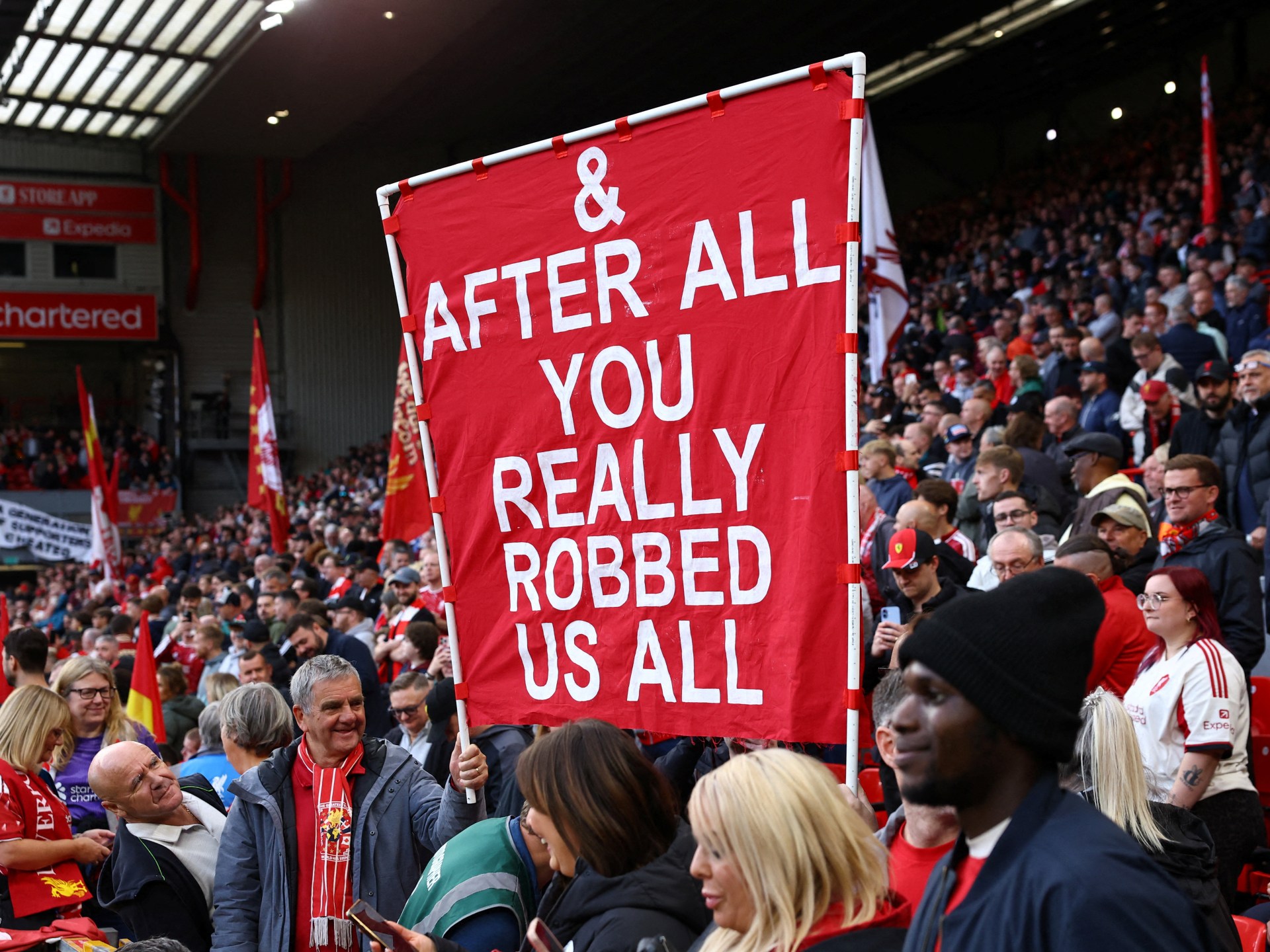
Geopolitical & Core Developments
The prominent display of critical banners by Liverpool supporters at Anfield targeting Manchester City underscores a deepening societal and institutional friction surrounding state-backed foreign direct investment. While originating within the domestic theater of elite sports, the incident reflects broader geopolitical dynamics concerning Gulf sovereign wealth deployment across Western infrastructure, entertainment, and commercial assets. Manchester City, under the ownership of the City Football Group backed by Abu Dhabi United Group, has increasingly become a touchpoint for discussions surrounding sovereign influence, financial compliance, and regulatory governance.
The timeline of these tensions aligns with ongoing structural inquiries by the Premier League into alleged financial breaches, an administrative process monitored closely by international financial observers and state actors alike. The United Kingdom's diplomatic engagement with the United Arab Emirates has historically balanced substantial cross-border investment agreements with calls for rigorous compliance frameworks. As commercial sports institutions transition into strategic assets of cultural diplomacy, domestic public sentiment within host countries frequently intersects with bilateral diplomatic relationships, testing the resilience of soft-power strategies.
Global Trade & Economic Ripples
The economic implications of state-affiliated institutional investments extend well beyond broadcasting contracts and matchday revenues. Sovereign wealth funds from the Gulf Cooperation Council (GCC) constitute central players in international capital reallocation, financing major projects across European logistics, real estate, and green energy transition sectors. When public challenges arise regarding compliance and financial integrity in high-profile assets, secondary ripple effects can influence institutional risk assessments.
International rating agencies and private equity consortiums increasingly monitor governance risks tied to multijurisdictional sport holding companies. Legal and regulatory uncertainty surrounding major franchise operations affects commercial sponsorship valuations, cross-border intellectual property arrangements, and specialized debt markets. Furthermore, heightened scrutiny on capital sourcing threatens to accelerate the implementation of tighter foreign investment screening mechanisms across the United Kingdom and the European Union, potentially complicating broader capital transfers across related consumer and real estate portfolios.
Related Intelligence: Missile Strike Near Riyadh Airport Escalates Regional Security and Energy Risks
International Reactions & Diplomatic Stances
While sports regulatory bodies emphasize procedural neutrality and strict adherence to competition rules, diplomatic quarters have historically treated sovereign asset acquisitions with acute political awareness. Official government offices in London have consistently maintained that regulatory reviews remain strictly independent of state-level foreign policy, yet diplomatic dispatches have acknowledged the sensitivities involved in managing commercial ties with critical Middle Eastern partners.
Market analysts note that international financial institutions operating in Dubai and London view these recurring public controversies as indicative of shifting public tolerance toward external state capital. Financial analysts specializing in sovereign asset tracking point out that reputational volatility poses a tangible risk to broader nation-branding initiatives, prompting state funds to diversify portfolio visibility across less publicly contested sectors such as domestic logistics, technology venture funds, and industrial infrastructure.
Strategic Outlook & Future Scenarios
The operational landscape for sovereign-backed global assets faces critical milestones. In the medium term, the resolution of institutional compliance hearings will establish precedent for corporate governance across international multi-club ownership networks. A punitive outcome could lead to market corrections in premier European sports assets, forcing sovereign investors to restructure foreign corporate holdings through multi-tiered subsidiary vehicles.
Conversely, an exoneration or regulatory settlement may cement sovereign funds as permanent architects of modern global sports entertainment, encouraging expanded capital flows from other regional entities, including Saudi Arabia and Qatar. Long-term scenarios point toward a more rigorous regulatory architecture where international capital must navigate tightened national security and public-interest review regimes, requiring sovereign wealth entities to adapt their global public relations, diplomatic engagement, and investment doctrines.
Join Our Official WhatsApp Channel
Receive live commodity alerts, policy changes, and commercial intelligence directly on WhatsApp.