
EU Presses United States Over Visa Denial for Palestinian Delegation
The European Union has urged Washington to reverse visa curbs preventing the Palestinian delegation from attending the UN General Assembly, prompting alternative arrangements for a prerecorded address by President Mahmoud Abbas.
Geopolitical & Core Developments
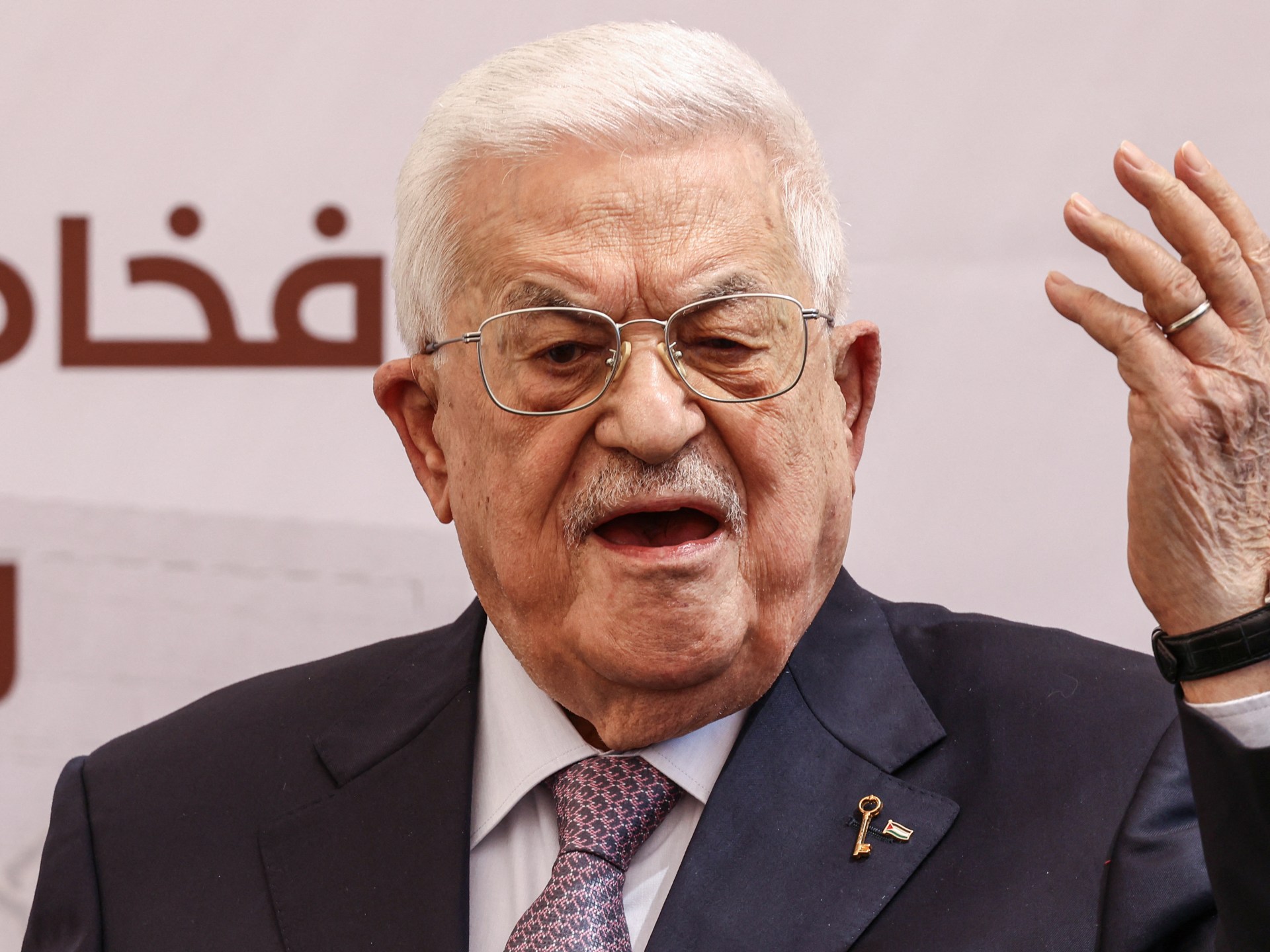
The European Union has formally called upon the United States to rescind travel restrictions imposed on the Palestinian Authority delegation ahead of the United Nations General Assembly in New York. The diplomatic dispute arose after Washington withheld entry visas for accredited members of the Palestinian diplomatic corps, prompting the 193-member General Assembly to pass a procedural resolution allowing Palestinian Authority President Mahmoud Abbas to address world leaders via prerecorded video.
Under the 1947 United Nations Headquarters Agreement, the United States is legally bound to facilitate unhindered access for foreign delegations accredited to the global body, irrespective of bilateral disagreements. Washington's refusal to issue credentials highlights sharpening transatlantic divergences over Middle East diplomacy and underscores procedural flashpoints within multilateral institutions. For Ramallah, the denial represents an attempt to diminish Palestinian visibility on the premier global diplomatic stage during a period of acute regional volatility, while Washington maintains that sovereign national security prerogatives supersede international hosting obligations.
Global Trade & Economic Ripples
While fundamentally a diplomatic confrontation, the impasse reverberates across commercial and commodity markets already sensitized to Middle Eastern geopolitical fractures. The growing diplomatic friction between Western capitals and Middle Eastern partners threatens to complicate ongoing coordination over regional trade infrastructure, particularly maritime logistics through the Eastern Mediterranean and Red Sea corridors.
Persistent political deadlock in the Levant continues to sustain an underlying geopolitical risk premium in benchmark energy contracts, including Brent crude and European natural gas futures. Energy analysts monitor regional diplomatic cohesion closely, as multilateral breakdowns frequently correlate with heightened friction around critical chokepoints and upstream assets. Furthermore, cross-border infrastructure initiatives, including planned power grid interconnections and regional natural gas export networks across Egypt, Jordan, and the Gulf, face prolonged investment uncertainty when multilateral diplomacy falters. Marine insurers and global shipping operators remain alert, as diplomatic polarization regularly translates into elevated risk assessments and fluctuating war-risk insurance premiums for commercial vessels operating in regional waters.
Related Intelligence: Gaza Military Testimonies Spark Israeli Political Outcry and Global Legal Scrutiny
International Reactions & Diplomatic Stances
European Union foreign policy officials emphasized that effective multilateral dialogue requires uncompromised universal access, warning that selective travel curbs establish a destabilizing precedent that undermines established diplomatic conventions. Brussels stressed that preserving the integrity of the United Nations framework demands strict adherence by the host country to multilateral treaties.
In response, US authorities reiterated their sovereign regulatory authority regarding entry permits, citing domestic legislative frameworks and statutory conditions governing specific foreign officials. The visa denial drew sharp rebukes from the Arab League and the Organisation of Islamic Cooperation, which jointly characterized the measures as a breach of international obligations aimed at suppressing Palestinian diplomatic advocacy. Meanwhile, the United Nations Secretariat issued a reminder to host authorities regarding the statutory provisions of the 1947 Headquarters Agreement, warning that discretionary visa policies jeopardize the institutional neutrality of the world body.
Strategic Outlook & Future Scenarios
The dispute over Palestinian diplomatic representation signals broader challenges facing international governance architecture. Recurring controversies surrounding host-nation visa execution have intensified discussions among Global South nations and non-aligned blocs concerning the geographic concentration of multilateral summits, with periodic proposals surfacing to convene contentious deliberations at alternate United Nations headquarters in Geneva or Vienna.
In the near term, relying on recorded statements mitigates an immediate procedural deadlock but highlights deepening institutional polarization. Should host nations persist in using visa protocols as instruments of foreign policy leverage, international confidence in established multilateral venues will face sustained erosion. For international investors, multinational supply chains, and commodities traders, the episode confirms that diplomatic normalization in the Middle East remains fraught, necessitating cautious risk mitigation strategies against protracted geopolitical fragmentation.
Join Our Official WhatsApp Channel
Receive live commodity alerts, policy changes, and commercial intelligence directly on WhatsApp.