
Gaza Strikes Intensify as Health System Collapses Amid Rising Regional Trade Risks
Intensified Israeli strikes across Gaza have brought the enclave's healthcare network to near-total collapse, escalating regional tensions and compounding systemic vulnerabilities across Middle Eastern commercial supply corridors.
Geopolitical & Core Developments
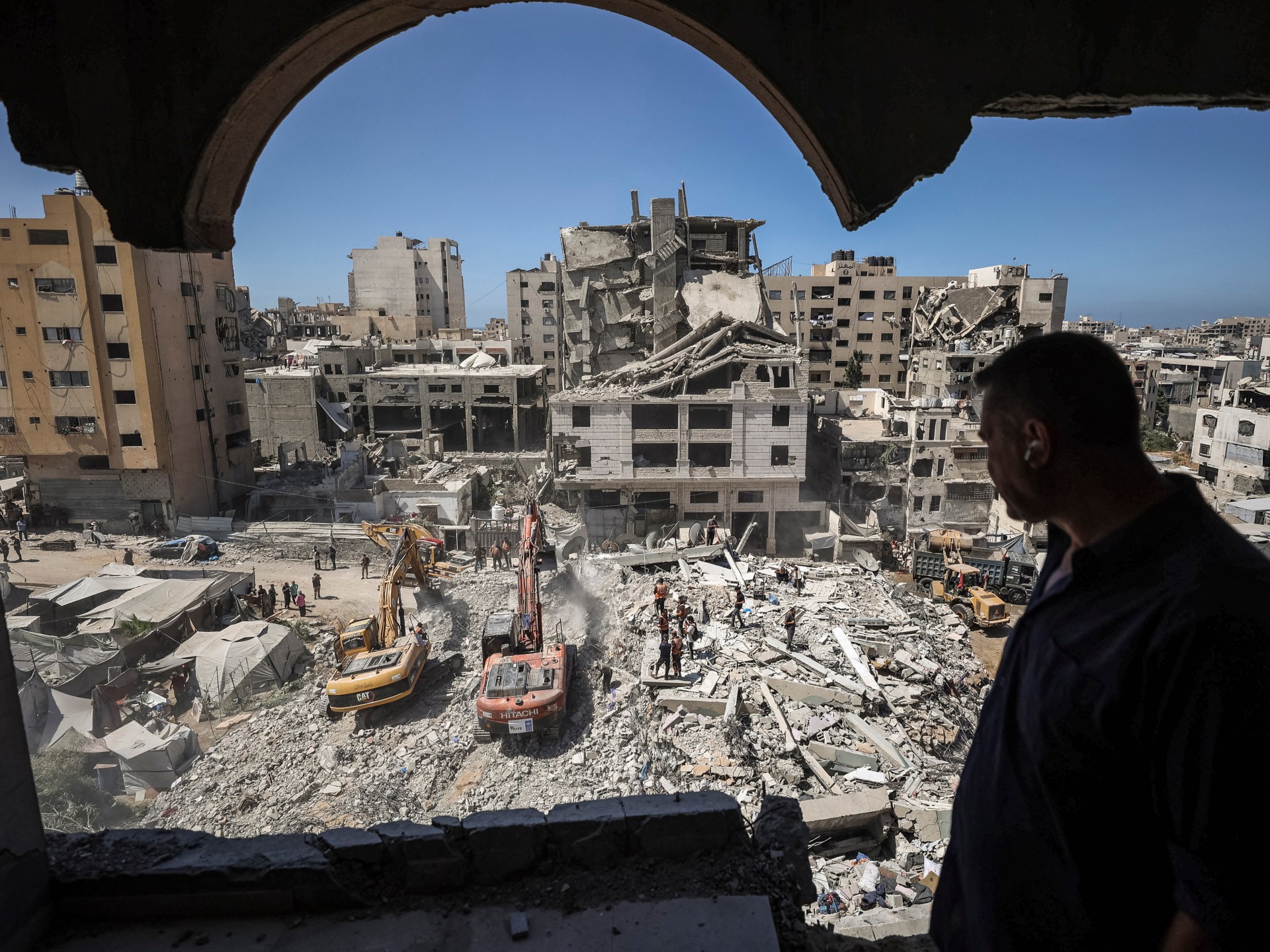
A targeted Israeli aerial strike on a motorcycle in Gaza City resulted in the death of a Palestinian and left a child critically wounded, marking another deadly episode in an escalating campaign across the enclave. Parallel strikes battered central Gaza's refugee camps, intensifying the attrition on civilian infrastructure. Local medical authorities issued urgent warnings that Gaza's healthcare network has reached a state of irreversible operational collapse. Depleted fuel reserves, an acute shortage of surgical pharmaceuticals, and damaged utility grids have immobilized primary trauma facilities, leaving remaining clinics incapable of handling complex casualties.
The strategic posture of the Israel Defense Forces continues to center on disrupting mobile combatant units and subterranean networks across northern and central sectors. However, the operational persistence of these strikes amid dense civilian clusters has amplified international scrutiny over proportionality and civilian protection under international humanitarian law. With indirect ceasefire negotiations mediated by Qatar, Egypt, and the United States remaining stalled over security guarantees, troop withdrawal timelines, and captive exchanges, the operational theater continues to expand with minimal diplomatic restraint.
Global Trade & Economic Ripples
The unyielding conflict in Gaza generates systemic secondary effects across global commodity markets and commercial shipping arteries. The ongoing violence directly correlates with the security architecture of the southern Red Sea and Bab el-Mandeb Strait, where regional non-state actors maintain asymmetric disruptions against commercial maritime traffic. Container vessels continue to bypass the Suez Canal, opting for the extended Cape of Good Hope route, which adds 10 to 14 transit days and elevates bunker fuel consumption by roughly 15 to 20 percent.
These maritime detours have sustained elevated container freight benchmarks and inflated war-risk insurance premiums across Mediterranean and Arabian Gulf logistics corridors. While benchmark crude futures have absorbed tactical supply-risk discounts due to non-OPEC output increases, the threat of direct regional escalation maintains a structural geopolitical risk premium on Brent contracts. Furthermore, prolonged disruptions to agricultural and fertilizer transshipments through eastern Mediterranean hubs threaten supply chain stability for import-dependent developing economies across North Africa and the Middle East.
Related Intelligence: Escalating Yemen Clashes Threaten Red Sea Stability and Energy Markets
International Reactions & Diplomatic Stances
The critical breakdown of Gaza's medical infrastructure has drawn severe warnings from the World Health Organization and United Nations humanitarian agencies. The United Nations Office for the Coordination of Humanitarian Affairs underscored that the systematic disruption of health facilities and humanitarian supply lines violates established conventions governing civilian infrastructure during armed conflict. Multilateral bodies have repeatedly called for unimpeded humanitarian corridors to allow fuel and life-saving medical supplies into functional clinics.
Western powers, including the United States and European Union member states, have maintained diplomatic balancing acts, affirming Israel's security requirements while issuing increasingly pointed public demarches regarding civilian casualties and aid accessibility. Concurrently, regional stakeholders—notably Cairo, Amman, and Riyadh—have cautioned that unchecked military actions and humanitarian degradation risk permanently undermining prospective regional security pacts and trade normalization agreements.
Strategic Outlook & Future Scenarios
The near-term trajectory indicates continued high-intensity military engagements punctuated by local tactical pauses that fall short of durable peace frameworks. With diplomatic conduits currently yielding marginal progress, the baseline scenario points toward a protracted attrition strategy that compounds Gaza's humanitarian vacuum and cements long-term regional instability.
For global commerce, this sustained friction ensures that maritime rerouting around Africa will remain a structural standard rather than a temporary anomaly for the medium term. Should border clashes between Israeli forces and northern adversaries escalate into a broader regional confrontation, global energy markets could face sudden volatility, triggering retaliatory sanction mechanisms and renewed inflationary pressures worldwide.
Join Our Official WhatsApp Channel
Receive live commodity alerts, policy changes, and commercial intelligence directly on WhatsApp.