
US Pledges Strict Cooperation in Okinawa Marine Murder Case
The arrest of a US Marine for a local murder in Okinawa has prompted diplomatic assurances from Washington, threatening to reignite long-standing tensions over the US military footprint in Japan.
Geopolitical & Core Developments
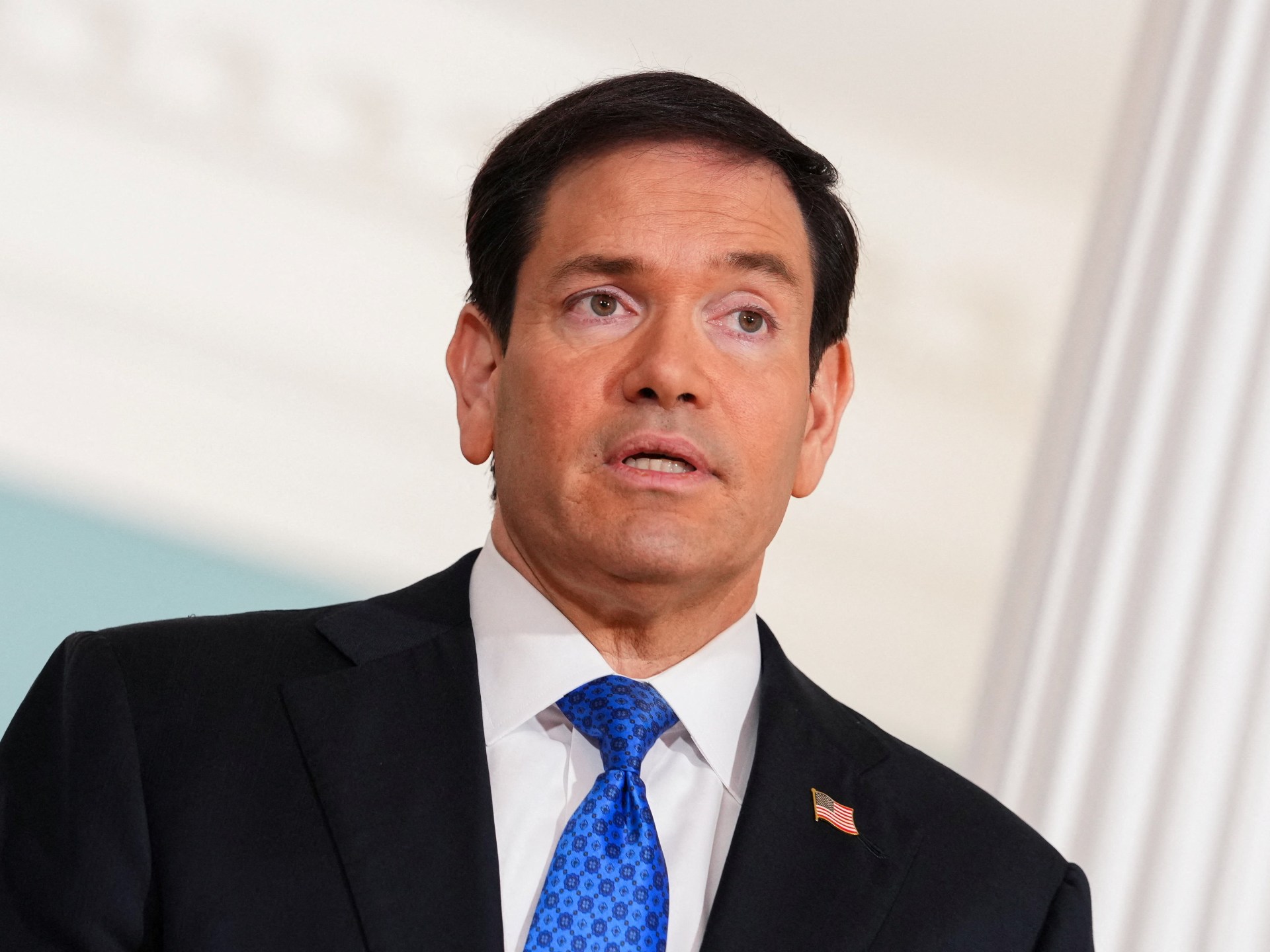
The arrest of a United States Marine stationed on the strategic Japanese island of Okinawa on suspicion of killing a 39-year-old local woman has once again cast a harsh light on the complex security alliance between Washington and Tokyo. US Secretary of State Marco Rubio swiftly moved to mitigate potential diplomatic fallout by pledging absolute cooperation with Japanese law enforcement and judicial authorities. The incident unfolded in a prefecture that bears the brunt of the US military presence in Japan, hosting the majority of American bases despite accounting for a fraction of the nation's total landmass.
Local authorities detained the service member following the discovery of the victim, triggering immediate outrage among Okinawan residents who have long campaigned against base-related crime, noise pollution, and environmental concerns. The Status of Forces Agreement (SOFA), which governs the legal status of US military personnel in Japan, has historically been a flashpoint for public anger, particularly when criminal jurisdiction disputes arise. While Washington has emphasized its commitment to transparency and adherence to the rule of law, the incident threatens to disrupt the careful diplomatic equilibrium required to maintain the alliance, which serves as a cornerstone of Indo-Pacific security architecture.
[Global Trade](/news/gaza-casualties-cast-shadow-over-global-trade-security) & Economic Ripples
While localized security incidents rarely trigger immediate shocks in global commodity markets, the geopolitical reverberations of Okinawan base tensions carry notable economic implications for international trade and maritime logistics in East Asia. Okinawa occupies a vital geographic nexus within the First Island Chain, a critical artery for commercial shipping lanes connecting Northeast Asian manufacturing hubs to Southeast Asian and global markets. Any sustained civil unrest, local protests, or blockades targeting military facilities can inadvertently disrupt regional supply chain logistics and create administrative bottlenecks for dual-use port infrastructure.
Furthermore, heightened diplomatic friction between the United States and local Japanese municipal governments can stall critical infrastructure projects, including the controversial relocation of the Futenma air station to Henoko. Delays in these multibillion-dollar defense projects directly impact regional construction markets, public expenditure, and investor confidence in Japan's southern frontier. Multinational firms operating within the Indo-Pacific theater monitor these socio-political friction points closely as part of their broader enterprise risk management frameworks, factoring potential civil disruptions into long-term operational resilience strategies.
Related Intelligence: Khyber Pakhtunkhwa Rejects Federal Emergency Threats Amid Rising Political Friction
International Reactions & Diplomatic Stances
Official responses from both capitals have sought to contain the diplomatic damage. Secretary Rubio reiterated the United States' unwavering commitment to supporting Japanese investigations, ensuring that due process is rigorously observed. The Japanese Foreign Ministry issued a formal expression of profound regret, emphasizing that such incidents undermine the foundations of trust essential for the bilateral security treaty. Local Okinawan leaders, led by Governor Denny Tamaki, have once again voiced intense frustration, demanding a comprehensive review of the SOFA and a reduction in the overarching military burden borne by the prefecture.
International observers and human rights organizations have noted that the case serves as a poignant reminder of the enduring social costs of long-term foreign military deployments. While multilateral bodies have not issued formal declarations, regional analysts suggest that the incident provides strategic leverage for opposition parties within Japan's Diet to question defense spending priorities and the legal immunities afforded under current defense pacts.
Strategic Outlook & Future Scenarios
Looking ahead, the trajectory of this diplomatic crisis will hinge on the speed and transparency of the legal proceedings. If the accused service member is prosecuted swiftly under Japanese jurisdiction through cooperative legal frameworks, bilateral tensions may be temporarily placated. However, a protracted legal battle or perceived reluctance from Washington to waive primary jurisdiction in specific phases could galvanize anti-base movements, complicating upcoming bilateral security summits.
As the United States and Japan deepen their military integration to counter broader regional challenges, incidents of localized friction threaten to unravel strategic consensus at the grassroots level. Policymakers in Washington and Tokyo must navigate this delicate juncture with acute sensitivity to local grievances, ensuring that security imperatives do not permanently fracture the social license required to maintain forward-deployed forces in the Indo-Pacific.
Join Our Official WhatsApp Channel
Receive live commodity alerts, policy changes, and commercial intelligence directly on WhatsApp.