
Hurricane Isaias Batters US Southeast, Disrupting Energy and Supply Chains
Hurricane Isaias severely impacted the US Southeast, leaving two dead and over 800,000 without power while disrupting regional logistics and energy distribution networks.
Geopolitical & Core Developments
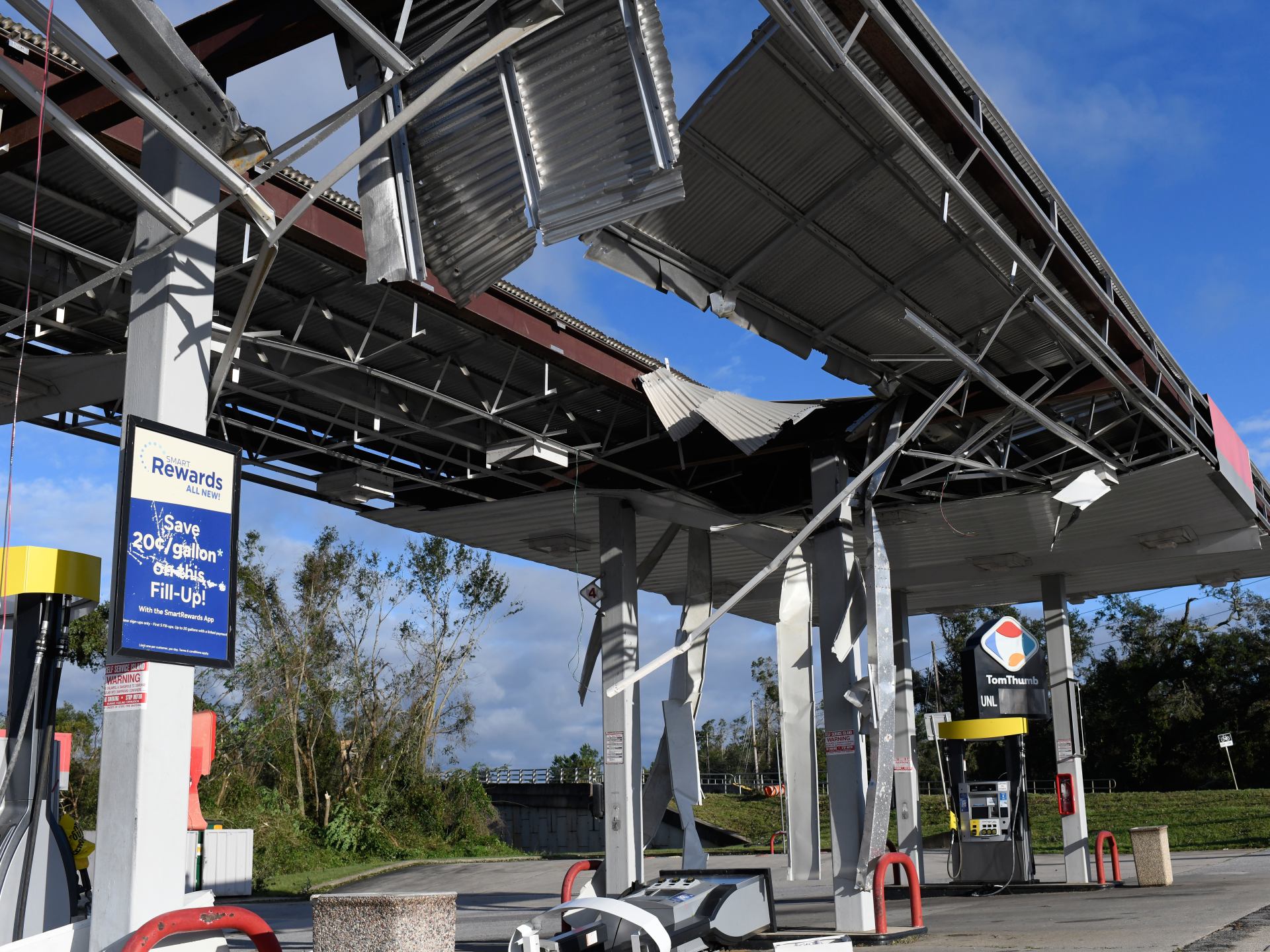
Hurricane Isaias carved a destructive path across the United States Southeast, triggering widespread emergency responses and highlighting the vulnerability of critical infrastructure in major coastal corridors. Striking vital population and logistics centers across Florida and Alabama, the storm system unleashed torrential rainfall, destructive storm surges, and sustained winds that crippled municipal services. Local emergency management agencies mobilized rapidly, yet the sheer geographic spread of the storm overwhelmed initial containment efforts, leaving communities grappling with submerged roadways, structural damages, and compromised public utilities. State officials and federal disaster response teams activated comprehensive contingency protocols, issuing severe weather warnings that extended deep into the interior, encompassing secondary threats such as localized tornadoes and flash flooding. The catastrophic impact underscored the growing frequency and severity of extreme weather events, forcing federal policymakers to reassess long-term climate resilience frameworks and emergency allocation strategies to safeguard civilian populations and critical economic nodes.
Global Trade & Economic Ripples
The immediate commercial fallout from Hurricane Isaias extended far beyond local property damage, creating acute bottlenecks within global and domestic supply chains anchored in the American Southeast. With over 800,000 homes and commercial properties left without electricity, manufacturing facilities, regional distribution hubs, and agricultural processing plants experienced mandatory operational shutdowns. Furthermore, temporary closures of key maritime ports and freight corridors along the Atlantic seaboard disrupted the seamless flow of imported containerized goods and raw material exports. Energy markets reacted to refinery inspections and precautionary shut-ins across the Gulf and Atlantic coasts, causing minor intraday fluctuations in regional fuel pricing and petroleum distribution logistics. Supply chain analysts noted that while the disruption was largely localized and transient, it exposed systemic fragilities in JIT inventory models and highlighted the financial exposure multinational corporations face when extreme weather events paralyze vital North American transportation arteries.
Related Intelligence: Renewed Attacks on Riyadh Airport Threaten Global Energy Markets
International Reactions & Diplomatic Stances
International observers, multilateral economic organizations, and foreign trade partners monitored the trajectory of Hurricane Isaias closely, evaluating its potential to amplify inflationary pressures on global commodities and shipping insurance rates. International shipping associations and maritime regulatory bodies issued advisory notices regarding navigational hazards in affected coastal waters, while bilateral trade partners expressed solidarity with federal disaster management efforts. Economic analysts in major financial capitals utilized the event to underscore the escalating economic costs associated with climate-driven natural disasters, calling for increased international cooperation on climate adaptation financing and resilient infrastructure investment. Multilateral bodies emphasized that as extreme meteorological events grow more intense, the macroeconomic stability of major trading nations is increasingly tied to robust, climate-proofed domestic infrastructure.
Strategic Outlook & Future Scenarios
As cleanup and restoration operations progress across Florida, Alabama, and neighboring states, the medium-term outlook centers on infrastructure hardening and supply chain re-engineering. Policymakers face mounting pressure to accelerate legislative packages aimed at modernizing aging electrical grids, reinforcing coastal flood defenses, and upgrading transportation networks to withstand future meteorological shocks. For multinational enterprises operating in the region, Isaias serves as a catalyst for diversifying manufacturing footprints and building greater redundancy into regional distribution channels. Upcoming legislative sessions and industry summits will likely prioritize climate risk mitigation, insurance reform for coastal commercial real estate, and advanced predictive modeling to insulate global trade networks from recurring environmental vulnerabilities.
Join Our Official WhatsApp Channel
Receive live commodity alerts, policy changes, and commercial intelligence directly on WhatsApp.