
Poland School Attacks Spark National Security Crisis and Economic Anxiety
A spate of violent school attacks across Poland prompts a massive nationwide security crackdown, raising concerns over domestic stability and regional economic confidence in Central Europe.
Geopolitical & Core Developments
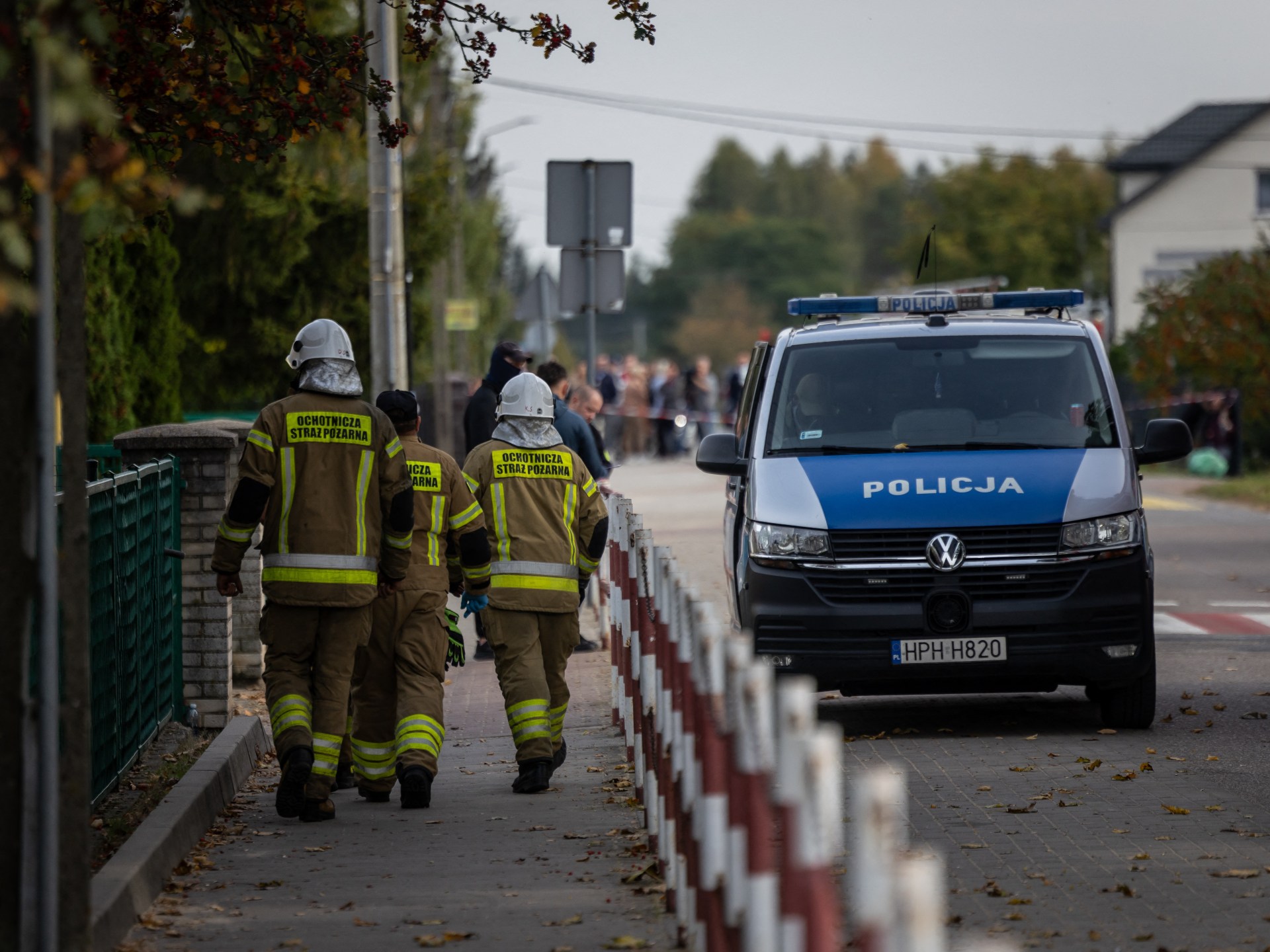
Poland is facing an unprecedented internal security challenge following a spate of violent incidents targeting educational institutions. Authorities confirmed that three individuals sustained injuries in the third school attack recorded in less than a week. The rapid succession of these events has sent shockwaves through the political establishment in Warsaw, forcing the government to re-evaluate domestic security protocols and emergency response mechanisms nationwide.
In response to the escalating crisis, Polish law enforcement agencies launched a coordinated nationwide sweep, resulting in the detention of 76 individuals connected to previous threats and violent disruptions. Ministry of Interior officials have convened emergency sessions with regional governors and intelligence chiefs to determine whether the incidents are isolated criminal acts, coordinated domestic extremism, or part of a wider hybrid destabilization campaign targeting the European Union's eastern flank. The convergence of these security breaches with ongoing geopolitical tensions along Poland's borders has heightened anxiety among state actors, who view internal social cohesion as a critical pillar of national defense.
Global Trade & Economic Ripples
While the primary fallout of the security crisis remains domestic and humanitarian, the commercial and economic implications for Central Europe cannot be overlooked. Poland serves as the logistical backbone of NATO's eastern supply lines and a vital manufacturing hub for the broader European single market. Sustained domestic instability, heightened police presence, and public safety alarms inevitably introduce friction into regional labor markets and consumer confidence.
Global commodity markets and institutional investors monitor security indices closely when evaluating regional risk premiums. Any perception of prolonged civil unrest or systemic institutional failure in Warsaw can influence foreign direct investment (FDI) inflows into Polish industrial sectors. Furthermore, supply chains anchored in Central European manufacturing centers are sensitive to disruptions caused by emergency security lockdowns, transport bottlenecks, and heightened border controls. Currency traders have noted cautious sentiment surrounding the Polish zloty as markets digest the compounding effects of domestic volatility against a backdrop of broader European economic stagnation.
Related Intelligence: Poland Deploys Police After Third School Knife Attack Sparking National Security Review
International Reactions & Diplomatic Stances
Neighboring European Union member states and Brussels officials have expressed solidarity with the Polish government while closely monitoring the domestic security situation. Multilateral security bodies, including representatives from the Organization for Security and Co-operation in Europe (OSCE), have emphasized the importance of maintaining public order and protecting vulnerable civil infrastructure without compromising democratic norms.
Market analysts and geopolitical risk consultancies have begun issuing advisory notes to international clients operating within Poland. These assessments stress that while the immediate economic fundamentals of the Polish economy remain robust, the psychological impact of repeated domestic security incidents could influence consumer spending patterns and corporate hiring strategies heading into the next fiscal quarter. International trade partners are urging swift, transparent investigations by Polish authorities to reassure foreign markets of the state's capacity to maintain absolute security.
Strategic Outlook & Future Scenarios
The trajectory of this crisis will depend heavily on the findings of ongoing police investigations and the government's legislative and security responses in the coming weeks. If law enforcement agencies successfully dismantle the networks responsible for the recent attacks and demonstrate complete operational control, market confidence is expected to rebound swiftly.
However, if the incidents expose deeper societal fractures or are linked to external hybrid threats, the Polish government may face prolonged political scrutiny and calls for enhanced security measures across all public institutions. Upcoming parliamentary debates are expected to focus heavily on youth mental health, digital radicalization, and the tightening of security infrastructure. For international observers and commodity traders, Poland remains a bellwether for Central European stability, making the government's next policy maneuvers critical for regional trade and security outlooks.
Join Our Official WhatsApp Channel
Receive live commodity alerts, policy changes, and commercial intelligence directly on WhatsApp.