
Cuba Accelerates Renewable Energy Transition Amid Intensified US Sanctions
Cuba is accelerating domestic renewable energy deployment to counter acute fuel shortages exacerbated by tightening United States maritime sanctions and declining bilateral petroleum imports.
Geopolitical & Core Developments
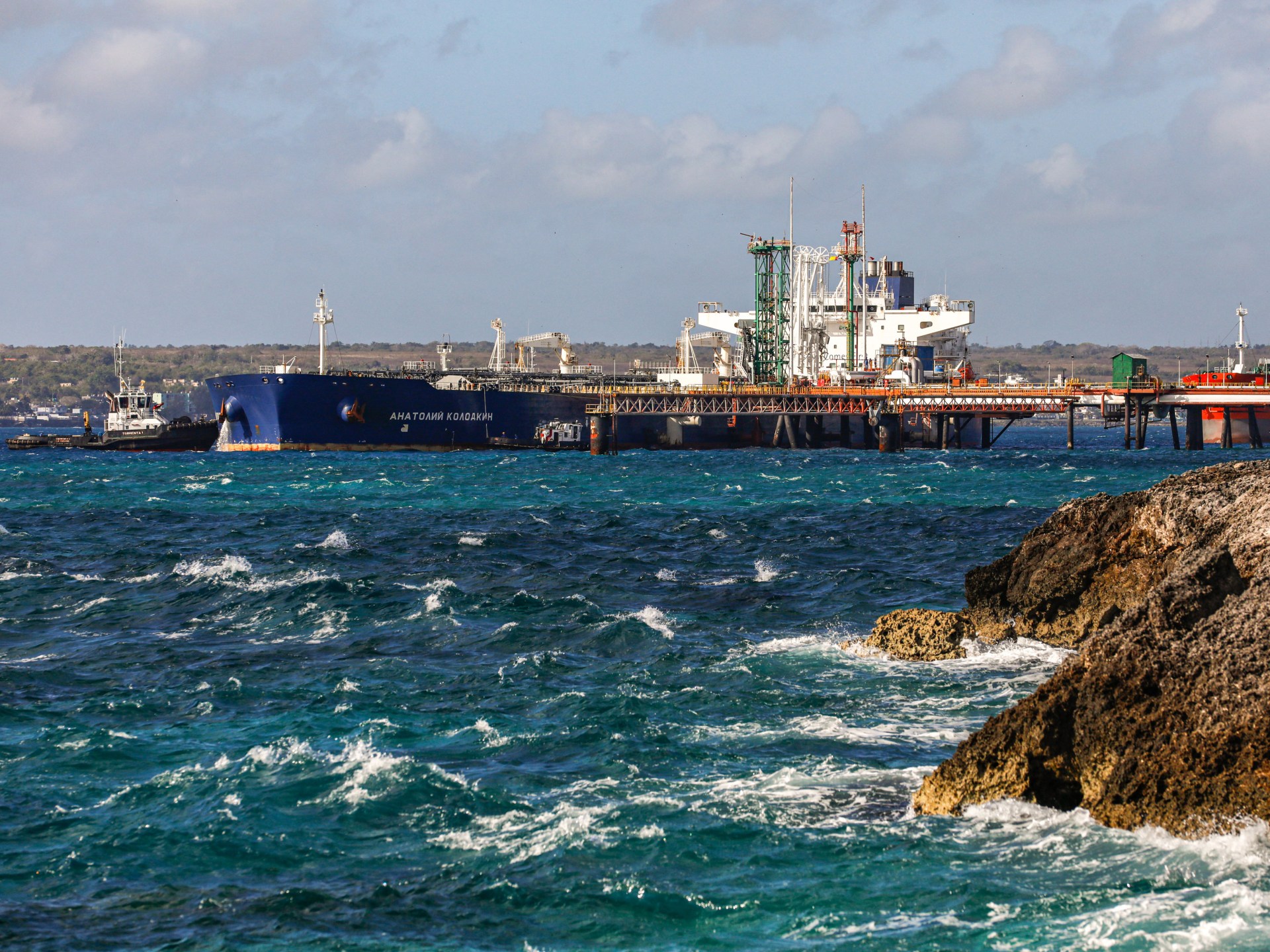
Cuba's Ministry of Energy and Mines has announced an accelerated transition toward renewable energy infrastructure as the Caribbean nation grapples with severe fuel supply bottlenecks. Addressing state media, Cuban Energy Minister Vicente de la O Levy emphasized that Havana is moving decisively to reduce structural dependencies on imported crude oil and refined distillates. The policy recalibration follows persistent domestic power outages and mounting pressure from Washington's unilateral embargo mechanisms, which target maritime shipping lines and international financiers engaged in Venezuelan and Mexican crude transfers to the island.
Minister de la O Levy categorically denied allegations linking the Cuban administration to illicit fuel shipments reportedly intercepted by maritime authorities under US jurisdiction. Addressing claims surrounding alternative private procurement channels, the minister noted that while small-scale private enterprises have been legally permitted to import petroleum derivatives, their total inbound tonnage remains marginal. In practice, private shipments are quantitatively insufficient to stabilize the national grid, leaving the state-run Unión Eléctrica entirely dependent on precarious sovereign supply arrangements and obsolete thermoelectric infrastructure.
Global Trade & Economic Ripples
Cuba's worsening energy deficit highlights broader vulnerabilities across Caribbean and Latin American energy supply networks. Traditionally reliant on subsidized crude under geopolitical pacts with Caracas, Havana has faced structural shortfalls as Venezuelan output remains constrained by internal infrastructural decay and sustained US secondary sanctions. Recent overtures to source compensatory volumes from Russia and Mexico have introduced complex counter-sanction risks for international tanker operators, elevating maritime freight rates and specialized compliance insurance premiums across regional transit lanes.
On the commodity front, Havana's pivot to renewable generation—primarily utility-scale photovoltaic installations—requires substantial capital goods procurement. However, access to global supply chains for inverters, specialized cabling, and high-efficiency solar cells remains severely impeded by dollar-clearing restrictions. Consequently, trade flows are tilting heavily toward Chinese manufacturers operating outside the Western financial perimeter, solidifying Beijing's role as a principal supplier of alternative energy hardware across non-aligned emerging economies.
Related Intelligence: Government Trims Petrol Price by Rs2.93 While Diesel Edges Higher
International Reactions & Diplomatic Stances
Diplomatic scrutiny surrounding Caribbean energy access has intensified at the United Nations General Assembly, where representatives routinely condemn extraterritorial sanctions that restrict essential civilian utilities. Cuban diplomats argue that targeting fuel shipments violates international maritime law and humanitarian protocols by paralyzing critical hospital infrastructure, agricultural logistics, and clean water processing facilities.
In contrast, officials in Washington maintain that sanctions frameworks target revenue mechanisms of state-operated entities rather than humanitarian goods. US State Department spokespersons have reiterated that current compliance frameworks are designed to curtail non-transparent energy procurement networks across the Western Hemisphere. Meanwhile, energy analysts in Latin America highlight that persistent power generation shortfalls threaten to accelerate outward migration trends, creating downstream socioeconomic pressures for regional transit states and the United States alike.
Strategic Outlook & Future Scenarios
Over the medium term, Cuba's ambitious target to generate over twenty percent of its gross electricity from non-fossil sources faces immediate financing hurdles. Without direct access to multilateral credit institutions such as the World Bank or Inter-American Development Bank, sovereign execution hinges upon bilateral government-to-government debt swaps, long-term vendor financing from East Asian suppliers, and limited foreign direct investment.
If domestic grid instability continues unabated into peak demand periods, Havana may be compelled to expand bilateral crude agreements via opaque barter mechanisms with secondary market suppliers. Conversely, should Chinese credit lines materialize to fund distributed solar farms, Cuba could establish a decentralized generation model less vulnerable to maritime fuel blockades, shifting the geopolitical equilibrium of Caribbean energy diplomacy.
Join Our Official WhatsApp Channel
Receive live commodity alerts, policy changes, and commercial intelligence directly on WhatsApp.