
Elite Heavyweight Boxing Reshapes Global Sports Economy and Sovereign Investment
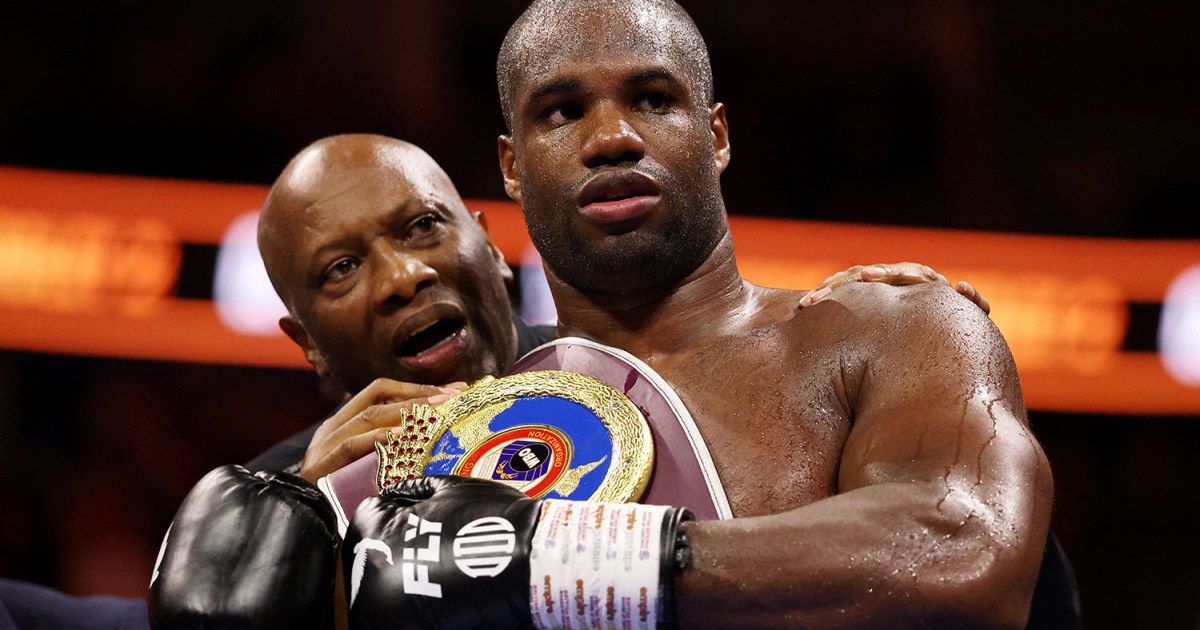
Daniel Dubois retained his WBO heavyweight championship against Fabio Wardley in London, reinforcing the consolidation of capital flows and sovereign influence within the multibillion-dollar global sports entertainment industry.
Geopolitical & Core Developments
In a decisive contest on the international professional boxing circuit, Daniel Dubois retained his World Boxing Organization (WBO) heavyweight championship, overpowering fellow British challenger Fabio Wardley in London. The bout, which commanded global pay-per-view audiences, immediately set the stage for subsequent mandatory defenses, prominently positioning International Boxing Organization (IBO) champion Filip Hrgovic as a primary contender in the fragmented landscape of elite heavyweight division governance.
While ostensibly an athletic confrontation, elite sporting events of this magnitude have evolved into prominent instruments of international diplomacy and nation-branding. The governance of heavyweight boxing involves an intricate web of sanctioning bodies, including the WBO, WBA, WBC, and IBF, operating alongside transnational promoters and sovereign investment entities. The strategic management of major title bouts mirrors high-stakes international negotiations, where territory allocation, broadcast licensing rights, and jurisdictional advantages dictate the global movement of entertainment capital.
Global Trade & Economic Ripples
The economic ramifications of top-tier international boxing extend significantly into global trade, media asset valuation, and digital telecommunications infrastructure. Heavyweight championship events generate substantial cross-border financial transactions, encompassing multinational broadcast syndication, digital pay-per-view consumption, and corporate sponsorship portfolios spanning consumer goods, luxury commodities, and financial technology platforms.
Furthermore, sovereign wealth funds—particularly across the Middle East—have leveraged large-scale combat sports properties to diversify domestic capital away from traditional fossil fuel dependence. The financial inflows surrounding global bouts redirect corporate hospitality expenditure, international passenger transit, and hotel infrastructure revenues across primary hub cities including London, Riyadh, and Las Vegas. Cross-border capital transfers tied to athletic sanctioning fees, international athlete remuneration, and sovereign venue underwriting illustrate the expanding footprint of globalized sports finance in services trade.
Related Intelligence: Fatal Alberta Military Incident Triggers Defense Scrutiny and Global Risk Reassessment
International Reactions & Diplomatic Stances
Market analysts and commercial sports bodies view Dubois's retention of the title as a stabilizing event for scheduled multi-bout contractual agreements. The London event drew attention from commercial rights holders and international sporting agencies monitoring the broader reorganization of global boxing promotion.
Multilateral sports trade analysts highlight that boxing’s current operational model has moved away from fragmented regional promotions toward consolidated, state-backed spectacles. Industry observers note that sovereign-backed entertainment enterprises continue to assert decisive influence over where and when marquee athletic events occur, effectively recalibrating international sports diplomacy. Financial consultancies tracking sports economy assets emphasize that high-profile heavyweight bouts now serve as pivotal marketing vehicles for regional economic modernization agendas and tourism development strategies.
Strategic Outlook & Future Scenarios
Looking forward, the trajectory of the heavyweight boxing sector points toward accelerated consolidation between sovereign funding vehicles, streaming distribution giants, and transnational athletic commissions. Dubois’s path toward a potential clash with Filip Hrgovic or undisputed title unification bouts will require complex multi-jurisdictional negotiations regarding hosting territories and broadcast exclusivity.
The strategic rivalry among traditional Western sporting hubs and emerging Gulf markets to secure hosting rights for premiere world title events will intensify. As sovereign balance sheets continue deploying capital into sports infrastructure, the industry will see heightened convergence between traditional physical venue attendance and global digital media licensing, solidifying athletic events as enduring components of international commercial strategy and cross-border services trade.
Join Our Official WhatsApp Channel
Receive live commodity alerts, policy changes, and commercial intelligence directly on WhatsApp.