
Fatal Alberta Military Incident Triggers Defense Scrutiny and Global Risk Reassessment
An emergency incident causing a major fire and reported casualties at Canadian Forces Base Wainwright has prompted high-level defense reviews, with potential downstream implications for allied defense expenditures and commodity risk tracking.
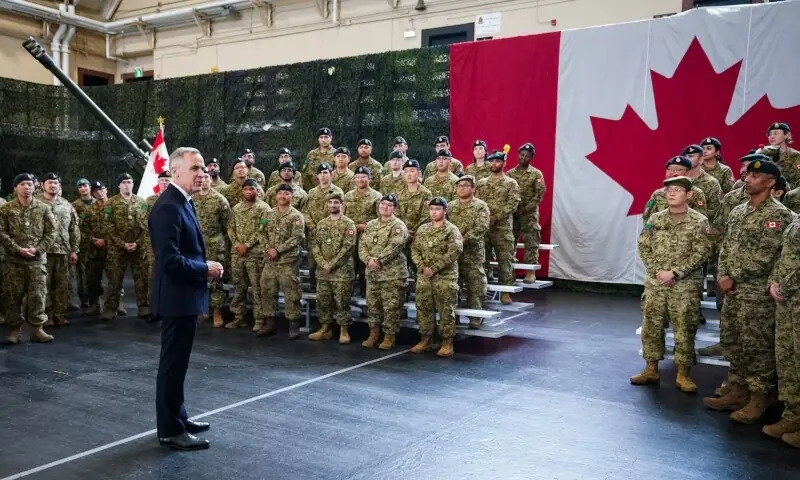
The Core Development
Canadian defense authorities have confirmed multiple casualties and injuries following a severe operational emergency at Canadian Forces Base (CFB) Wainwright, situated approximately 200 kilometers southeast of Edmonton, Alberta. Official announcements released late Saturday by federal authorities confirmed the deployment of emergency services and military safety protocols after a major fire erupted within the perimeter of one of the nation's primary training hubs.
Canadian Defence Minister David McGuinty expressed profound regret over the loss of life and physical harm sustained during the incident, confirming that investigations had been mobilized to ascertain the root cause. Earlier, Prime Minister Mark Carney publicly acknowledged that a serious operational event had ignited a substantial blaze on base grounds. While government officials have deliberately withheld specific counts of dead and wounded pending next-of-kin notifications, administrative command structures across Alberta have initiated high-level inquiries. CFB Wainwright serves as a cornerstone of Canadian mechanized brigade group training and live-fire logistics, making disruptions at the facility a matter of immediate military and administrative concern.
Commercial & Economic Implications
Although taking place in western Canada, institutional disruptions within prominent NATO-aligned military nodes reverberate across international defense contracts, logistics networks, and broader sovereign procurement budgets. For emerging markets such as Pakistan, geopolitical and logistical disruptions among Western defense partners affect broader macroeconomic sentiment, particularly concerning bilateral diplomatic cooperation, standard operating compliance, and global defense supply procurement.
In domestic markets, fluctuations in Western logistical and infrastructure priorities frequently correlate with shifts in institutional capital allocations. Disruption within energy-dense regions like Alberta also feeds into speculative pressures surrounding industrial risk management and standard shipping insurance. Wholesale distributors, industrial importers, and commercial entities monitor these structural defense crises as barometers for potential supply interruptions in high-grade manufactured equipment, precision dual-use components, and industrial-grade logistics hardware.
Related Intelligence: Gaza Drone Strikes Threaten Regional Stability and Trade Corridors
Stakeholder Perspectives & Market Reactions
Official communications from Ottawa emphasize caution and structural accountability. Both Defence Minister McGuinty and the Prime Minister’s office highlighted that comprehensive operational assessments are underway, promising exhaustive findings once base safety inspectors, fire marshals, and forensic teams secure the perimeter. Allied military attaches and sovereign risk analysts have registered the event with heightened attention, noting Wainwright's integral role in joint readiness exercises.
Industrial risk analysts and trade bodies operating in international markets have flagged the episode as an indicator of aging infrastructure vulnerabilities within Western sovereign defense real estate. Legal specialists in military occupational safety expect wide-ranging regulatory audits that could mandate temporary pauses on high-risk mechanical operations. Meanwhile, global commodity and freight observers maintain close surveillance over regional operational logistics, recognizing that defense installation emergencies often prompt sweeping regulatory overhauls across federal logistics corridors.
Forward Outlook & Key Watchpoints
Over the coming days, Canadian federal investigators will release verified casualty figures and disclose the technical catalyst behind the fire. Key watchpoints include whether the incident involved industrial munitions failure, structural electrical collapse, or operational human error during training protocols.
From a policy perspective, the resulting parliamentary inquiries could force budgetary reallocation toward domestic base modernization and preventative safety infrastructure. For external trading partners, including corporate desks and bilateral commercial monitors in South Asia, the trajectory of Canada's domestic defense oversight will provide critical insight into defense supply continuity, export licensing reviews, and sovereign risk parameters in an increasingly interconnected global supply environment.
Join Our Official WhatsApp Channel
Receive live commodity alerts, policy changes, and commercial intelligence directly on WhatsApp.