
LPG Stakeholders Demand Daily Pricing Mechanism Amid Border Closures
Pakistan LPG distributors have urged the government to abolish monthly pricing and decouple domestic rates from Saudi Aramco benchmarks following severe supply disruptions caused by border closures.
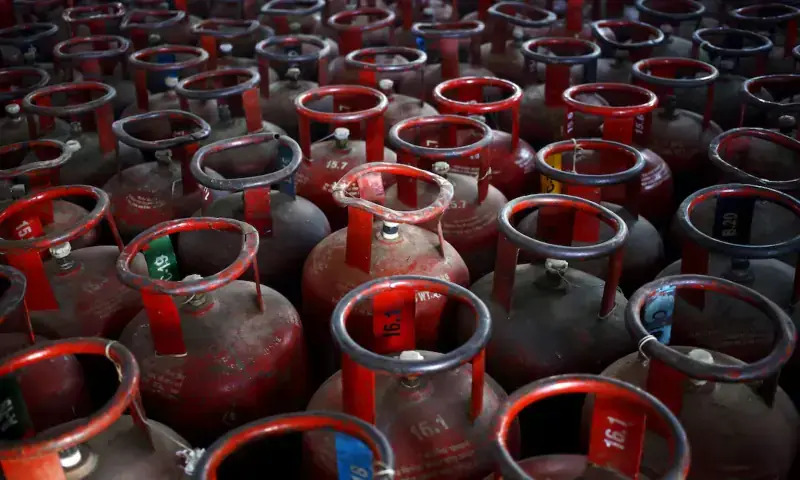
The Core Development Liquefied petroleum gas (LPG) market operators and distributor associations in Pakistan have formally petitioned the federal government and the Oil and Gas Regulatory Authority (Ogra) to transition from monthly price notifications to a weekly or daily pricing mechanism. This urgent appeal follows an abrupt escalation in retail and wholesale rates triggered by the operational closure of the Rahimdad-250 border terminal along the southwestern frontier. The closure has virtually choked off critical overland consignments, leaving the domestic market highly vulnerable to spot shortages.
Under the existing regulatory framework, which has remained fundamentally unchanged for over a decade, Ogra notifies consumer prices on the final day of each calendar month based on Saudi Aramco’s Contract Price (CP). Industry bodies contend that this rigid, advance monthly pricing model fails to mirror the dynamic realities of physical trading, where landed cargo costs fluctuate continuously. As cross-border trade constraints exacerbate shortfalls ahead of the peak winter heating cycle, stakeholders are pushing for an immediate regulatory revision that aligns LPG pricing protocols with deregulated high-speed diesel and petrol dynamics.
Commercial & Economic Implications The closure of primary land transit corridors has disrupted the downstream supply chain across northern Punjab, Khyber Pakhtunkhwa, and remote mountainous territories. In these non-gasified jurisdictions, commercial and domestic consumers depend exclusively on cylinders. The administrative pricing mechanism, combined with sudden localized deficits, has precipitated widespread artificial markups, cylinder hoarding, and illicit black-market activity, with retail cylinders changing hands at steep premiums above regulated thresholds.
Furthermore, benchmark distortions impose a substantial commercial penalty on formal sector participants. While Ogra anchors its consumer formula to the Saudi CP, the vast majority of Pakistan's imported LPG originates from regional suppliers, including Oman, the United Arab Emirates, Iraq, and cross-border Iranian corridors. The disparity between landed acquisition expenses and the mandatory Saudi CP benchmark has severely curtailed the commercial appetite of major state-owned enterprises (SOEs), such as Pakistan State Oil (PSO) and Sui Southern Gas Company (SSGC). Lacking flexible pricing coverage, formal importers face substantial balance-sheet exposure, inadvertently yielding the import space to informal entities operating through complex maritime transshipment routes.
Related Intelligence: Middle East Tensions Mount as Iran Accuses Israel of Escalation Drive
Stakeholder Perspectives & Market Reactions Industry representatives argue that the administrative pricing structure is structurally obsolete and economically counterproductive. Distributor associations emphasize that fixing margins and consumer rates for thirty consecutive days discourages long-term import commitments. Importers argue that when global spot indices diverge from the fixed domestic price, commercial entities incur unhedged inventory losses, deterring strategic reserve accumulation.
Traders also note that benchmarking costs to Saudi Aramco creates an artificial price floor that disadvantages end consumers. Because Gulf and regional spot barrels often trade at varying differentials to the Aramco CP, domestic prices frequently fail to reflect actual procurement economics. Legal and energy policy analysts have reiterated that without frequent price adjustments, government enforcement crackdowns on illicit hoarding will yield limited results, as economic incentives will consistently favor regulatory arbitrage.
Forward Outlook & Key Watchpoints The petroleum division and Ogra face a critical decision matrix as the winter heating season commences. Market observers are closely monitoring whether the Ministry of Energy will draft an emergency summary for the Economic Coordination Committee (ECC) to authorize high-frequency price notifications. A transition to weekly determinations would allow prompt pass-through of import costs, stabilizing retail availability.
Key watchpoints over the coming weeks include diplomatic and security evaluations regarding the reopening of cross-border customs points, potential tax rationalizations on formal import consignments, and the operational willingness of state-owned entities to enter term import contracts. Absent swift structural policy adjustments, persistent border bottlenecks will continue to drive retail premiums, exerting heavy inflationary pressure on low-income households.
Join Our Official WhatsApp Channel
Receive live commodity alerts, policy changes, and commercial intelligence directly on WhatsApp.