
In-Flight Cockpit Attack on Israel-Bound Flight Sparks Regional Security Review
An in-flight stabbing attack on an Israel-bound commercial aircraft forced an emergency landing in Saudi Arabia, triggering heightened international aviation security reviews.
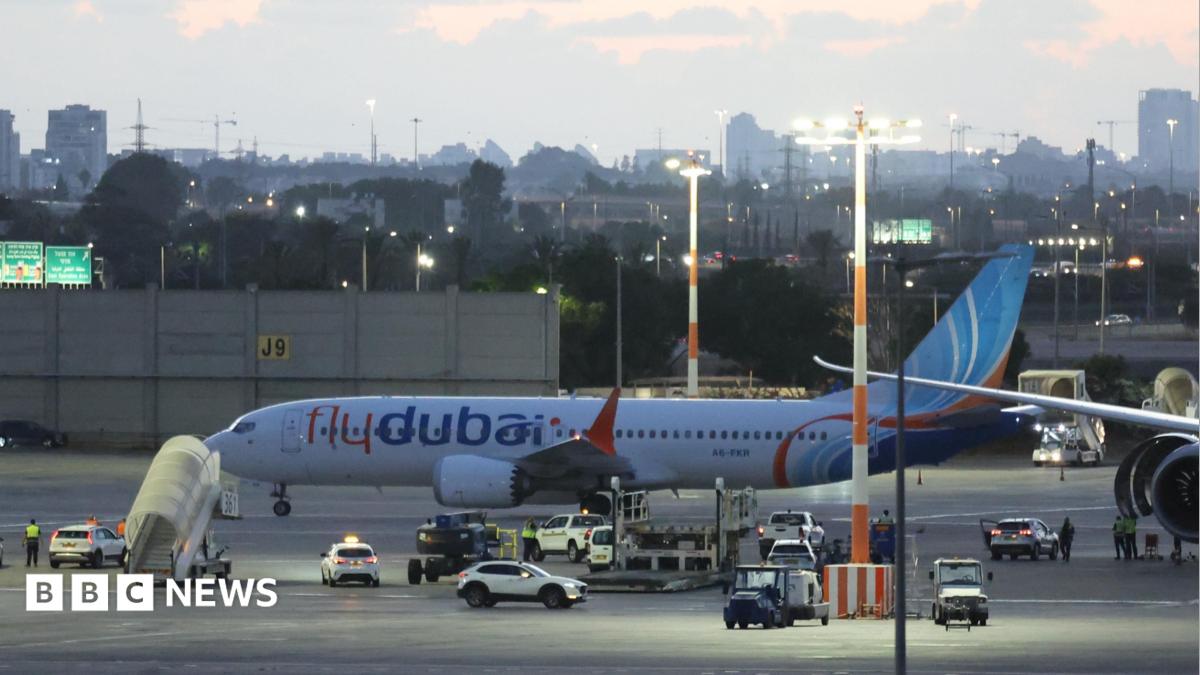
Geopolitical & Core Developments
A routine commercial flight bound for Israel transformed into an international security crisis following a violent altercation inside the cockpit that resulted in a pilot being stabbed. According to preliminary reports from Israeli authorities and international aviation monitors, the confrontation erupted mid-flight as the aircraft traversed sensitive Middle Eastern airspace. The assailant, identified as a co-pilot, reportedly launched the sudden attack using an improvised weapon before being subdued by quick-thinking cabin crew and alert passengers.
The gravity of the in-flight emergency forced the flight crew to declare an immediate distress signal. Navigational protocols and emergency airspace directives guided the aircraft toward the nearest secure facility, resulting in an unscheduled landing in Saudi Arabia. This unexpected routing through Saudi airspace—historically restricted for Israel-bound commercial traffic outside of recent normalization frameworks—added a complex geopolitical dimension to an already volatile emergency. Local security forces at the landing site immediately boarded the aircraft, took the suspect into custody, and initiated a multi-agency investigation into the motives behind the cockpit breach.
Global Trade & Economic Ripples
While the human element of the crisis remains the primary focus, the incident reverberates significantly across the global aviation and international trade sectors. Commercial aviation security protocols are slated for immediate and costly overhauls. Industry analysts suggest that heightened scrutiny on cockpit access controls, pilot psychological vetting, and internal crew security will lead to increased operational expenditures for global carriers. Insurance underwriters are expected to re-evaluate risk premiums for airlines operating routes across high-tension geopolitical corridors.
Furthermore, the emergency landing in Saudi Arabia of an aircraft tied to Israeli commerce highlights the delicate intersection of commercial aviation and regional diplomacy. Any disruption to established or emerging air corridors in the Middle East directly impacts air cargo logistics, supply chain velocity, and international business travel. Commodity markets closely monitor such security anomalies, as sustained instability in regional transportation hubs can cause immediate fluctuations in jet fuel futures and freight rates, compounding existing pressures on global logistics networks.
Related Intelligence: US Measles Surge Triggers Health Security and Economic Alarm
International Reactions & Diplomatic Stances
Official responses from international bodies and national governments have emphasized both relief over the averted disaster and deep concern regarding modern aviation security vulnerabilities. The International Civil Aviation Organization (ICAO) released a preliminary statement stressing the paramount importance of stringent cockpit security and crew safety protocols. Representatives from multiple state departments have praised the decisive actions of the passengers and crew who neutralized the threat before catastrophic structural failure or loss of control occurred.
Diplomatic channels have been active behind the scenes as Israeli officials coordinate with Saudi authorities to secure the repatriation of passengers and the detained crew member. International market analysts note that the cooperative handling of the emergency by Saudi authorities demonstrates a pragmatic adherence to international aviation law and humanitarian obligations, even amidst complex bilateral tensions.
Strategic Outlook & Future Scenarios
Looking ahead, this unprecedented cockpit incident is expected to accelerate global regulatory reviews concerning pilot mental health monitoring and real-time cockpit surveillance. Regulatory bodies such as the European Union Aviation Safety Agency (EASA) and the Federal Aviation Administration (FAA) are anticipated to issue mandatory safety directives requiring enhanced background checks and psychological evaluations for commercial flight crews.
As the investigation unfolds, geopolitical strategists will monitor whether the incident prompts any long-term alterations in regional flight paths or impacts the fragile framework of Middle Eastern airspace cooperation. The intersection of domestic security, cross-border diplomacy, and commercial trade security ensures that the fallout from this event will influence aviation policy for years to come.
Join Our Official WhatsApp Channel
Receive live commodity alerts, policy changes, and commercial intelligence directly on WhatsApp.