
East Africa Faces Monumental Economic and Infrastructure Test for AFCON 2027
East Africa's joint hosts face a high-stakes infrastructure race to prepare for the 2027 Africa Cup of Nations amidst severe time constraints.
Geopolitical & Core Developments
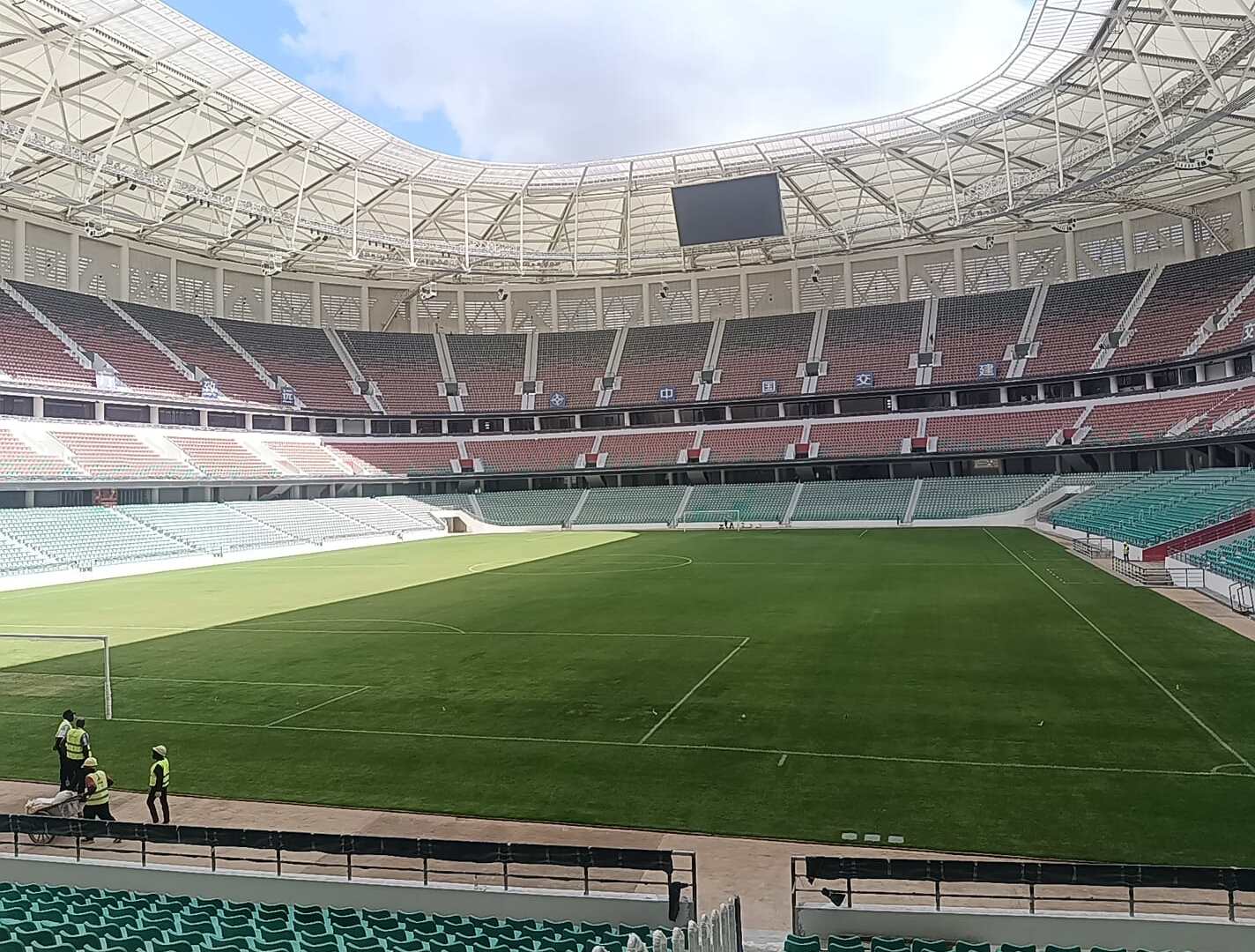
The joint hosting of the 2027 Africa Cup of Nations (AFCON) by Kenya, Uganda, and Tanzania represents a watershed moment for East African regional integration and state-level capacity. Awarded by the Confederation of African Football (CAF) under the banner of the 'Pamoja' bid—meaning 'together' in Swahili—the tournament is designed to showcase East Africa's geopolitical stability, diplomatic cohesion, and administrative maturity on the global stage. However, with less than nine months remaining before kickoff, the tripartite alliance faces an extraordinary logistical bottleneck. State actors across Nairobi, Kampala, and Dar es Salaam are currently engaged in high-stakes diplomacy and emergency procurement processes to fast-track the construction and modernization of multi-sport stadiums, international airports, high-density transport corridors, and hospitality infrastructure. The timeline has transformed a standard continental sporting event into a rigorous stress test of executive governance, inter-state cooperation, and bureaucratic agility across the East African Community (EAC).
Global Trade & Economic Ripples
The immense capital expenditure required to meet CAF compliance standards has triggered significant commercial activity across regional and international commodity markets. Heavy demand for industrial raw materials, structural steel, high-grade cement, and heavy machinery has driven localized surges in construction sector inputs, impacting supply chains stretching from Asian manufacturing hubs to East African port facilities, notably the Port of Mombasa and the Port of Dar es Salaam. Multinational engineering and construction conglomerates from Europe, China, and the Gulf are aggressively competing for lucrative infrastructure tenders, injecting substantial foreign direct investment into the sub-region. Furthermore, the massive influx of projected international visitors is expected to generate a temporary windfall for the regional services sector, boosting foreign exchange reserves, stimulating commercial aviation, and providing a vital cyclical boost to local currency stability against major international currencies such as the US dollar and the euro.
Related Intelligence: Nepal Landslides Stranded Trekkers Trigger Supply Chain and Tourism Crisis
International Reactions & Diplomatic Stances
International financial institutions and multilateral bodies have maintained a watchful stance, balancing cautious optimism regarding regional economic integration against concerns over fiscal deficit expansions in the host nations. The World Bank and the African Development Bank have emphasized the necessity of transparent public-private partnerships to ensure that stadium and transport investments translate into long-term productivity rather than unsustainable sovereign debt burdens. Meanwhile, diplomatic missions in Nairobi, Kampala, and Dar es Salaam are actively coordinating with local ministries to mitigate supply chain bottlenecks and expedite visa facilitation frameworks. Market analysts underscore that while the short-term economic stimulus is undeniable, the long-term commercial credibility of the East African bloc hinges entirely on delivering these mega-projects on schedule and within budgetary parameters.
Strategic Outlook & Future Scenarios
As the tournament window rapidly approaches, the strategic trajectory for the East African host nations enters a critical execution phase. Upcoming regional summits of the East African Community will prioritize security coordination, cross-border customs harmonization, and joint tourism marketing campaigns to maximize the economic legacy of AFCON 2027. Failure to meet completion deadlines risks severe reputational damage and potential relocation of match fixtures by CAF, making project delivery a matter of supreme national prestige. Conversely, successful execution will validate the 'Pamoja' model as a viable blueprint for future multi-state hosting bids across the African continent, cementing East Africa's status as an emerging hub for international trade, tourism, and mega-events.
Join Our Official WhatsApp Channel
Receive live commodity alerts, policy changes, and commercial intelligence directly on WhatsApp.