
French Football Federation Demands Political Neutrality Amid Widespread Student Protests
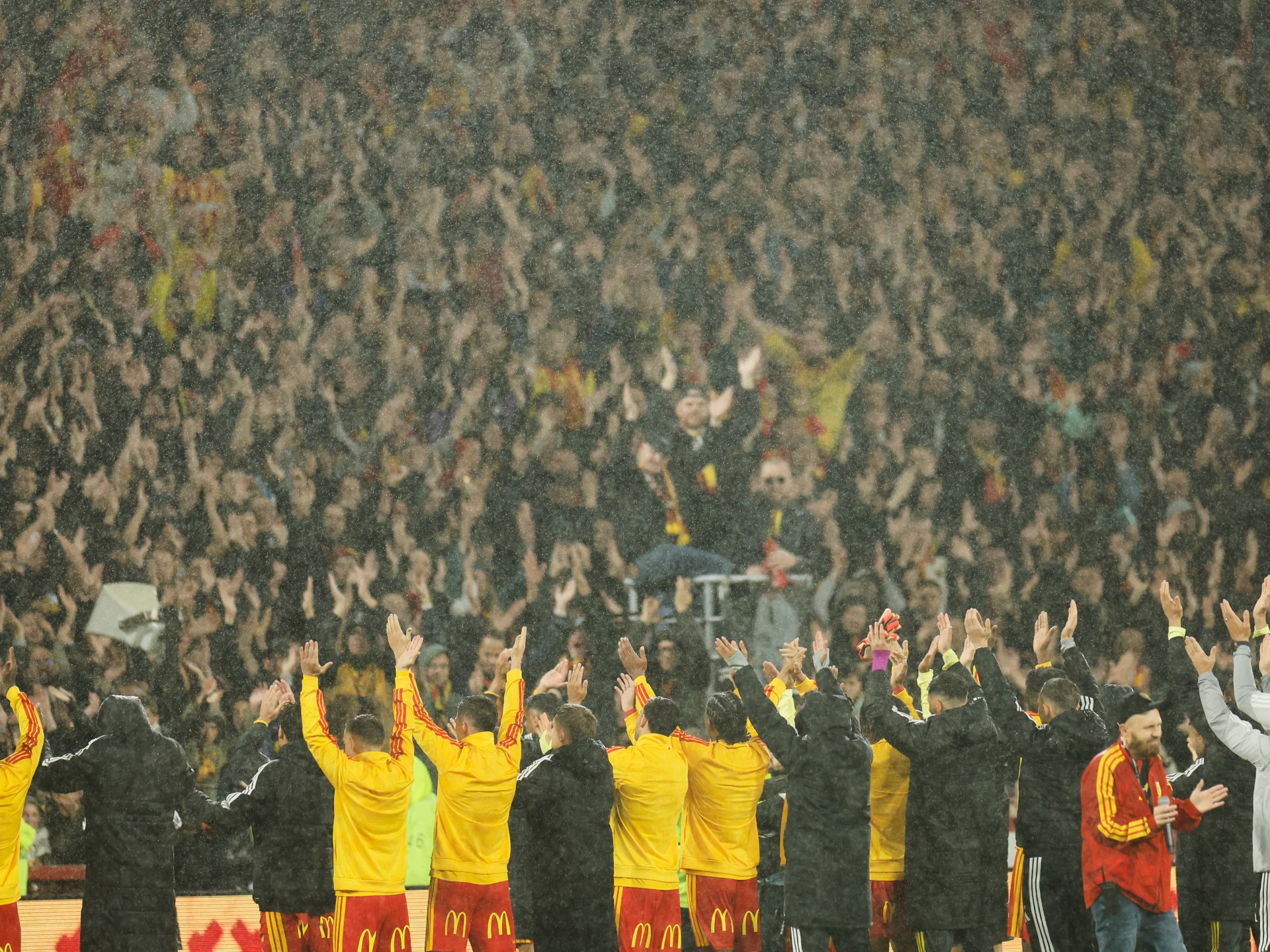
The French Football Federation's ethics council has mandated absolute political neutrality in stadiums as student protests over Middle Eastern conflicts intersect with major sporting events.
Geopolitical & Core Developments
The National Ethics Council of the French Football Federation (FFF) has issued an uncompromising directive urging supporters, student bodies, and sporting clubs to maintain strict political neutrality inside sports venues. The development arrives against the backdrop of intense domestic polarization across France, driven by expanding student demonstrations and sit-ins at elite institutions such as Sciences Po and the Sorbonne over the ongoing humanitarian crisis in Gaza and broader Middle Eastern destabilization.
French sporting authorities have invoked Article 50 of the Olympic Charter and domestic sporting statutes, which prohibit any political, religious, or racial demonstration in venues. Historically, football arenas across Europe have functioned as barometers for working-class and student sentiment. However, the French administrative establishment, backed by directives from the Ministry of the Interior, is escalating legal and procedural barriers to prevent public spectacles from morphing into platforms for anti-war dissent or broader challenges to French diplomatic posturing in the Levant.
Global Trade & Economic Ripples
While sporting declarations appear peripheral to heavy industry, the commodification of global football represents a multibillion-dollar economic axis inextricably tied to international capital flows. French football clubs rely heavily on transnational corporate partnerships, sovereign wealth fund investments from Gulf Cooperation Council (GCC) states, and multinational media broadcasting rights. Uncontrolled political agitation inside stadiums introduces profound brand-safety hazards for multinational sponsors, risking breach-of-contract litigation and contractual write-downs.
Furthermore, elevated security protocols mandated by the French state will directly increase operational costs for private security concessions, domestic transport networks, and municipal logistics hubs. Disruptions to stadium operations reverberate through the retail and hospitality sectors, dampening regional consumer spending. On a macro level, heightened domestic friction in France complicates the European Union's sovereign bond risk premium perception, as persistent civic unrest underscores underlying socio-political volatility across major eurozone economies.
Related Intelligence: Sussex Return to UK Engagements Highlights Soft Power Dynamics and Public Sentiment
International Reactions & Diplomatic Stances
Human rights organizations, domestic civil liberties watchdogs, and European student collectives have criticized the federation's announcement, characterizing it as an arbitrary suppression of freedom of expression under the guise of institutional neutrality. Activist groups argue that international athletic institutions have historically displayed selectivity in applying neutrality, citing the immediate, coordinated boycotts and public displays of solidarity permitted following the 2022 escalation of the conflict in Ukraine.
Conversely, French government officials and municipal sports authorities defended the FFF's position, asserting that arenas must remain safe, secular spaces devoid of sectarian division. Multilateral football governing bodies, including UEFA and FIFA, have unofficially backed the French stance, keen to insulate summer international fixtures from coordinated political interruptions that could complicate relations with key broadcast partners across the Middle East, North America, and Asia-Pacific.
Strategic Outlook & Future Scenarios
The immediate trajectory suggests a confrontation between regulatory enforcement and organic student-led mobilization. Security services are expected to increase surveillance, deploy facial recognition technologies, and intensify ban orders against identified student agitators attempting coordinated demonstrations during high-profile matches.
If civil tensions deepen, the friction will likely test the legal limits of French public assembly statutes. Analysts caution that forceful containment strategies could backfire, shifting student demonstrations from localized university campuses into international broadcast view, thereby forcing corporate sponsors to navigate contentious geopolitical narratives in an increasingly fragmented global operating environment.
Join Our Official WhatsApp Channel
Receive live commodity alerts, policy changes, and commercial intelligence directly on WhatsApp.