
US Democrats File Lawsuit Against Trump Over Taxpayer-Funded Advertising Campaign
Congressional Democrats have initiated legal action against US President Trump, alleging that a controversial government advertising campaign violates federal prohibitions on taxpayer-funded domestic propaganda.
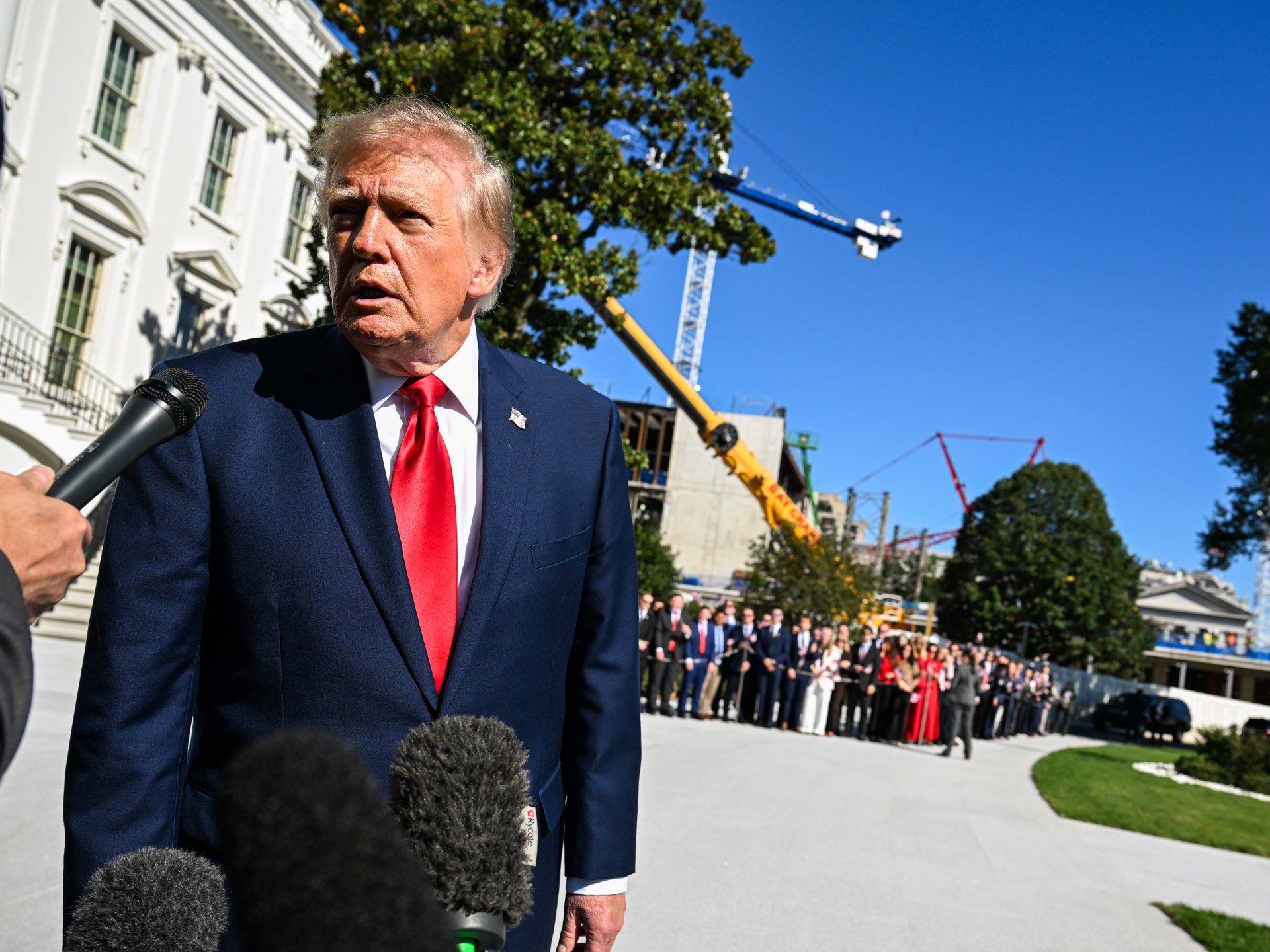
Geopolitical & Core Developments
The domestic political landscape in Washington has escalated sharply following a formal lawsuit filed by congressional Democrats against US President Donald Trump. At the center of the legal challenge is a federally financed advertising campaign that critics allege crosses the line from public health or civic messaging into partisan self-promotion. The dispute centers on whether the executive branch has overstepped statutory boundaries by deploying public treasuries for campaigns that opponents characterize as taxpayer-funded propaganda.
Legal scholars and congressional investigators have pointed to longstanding appropriations laws designed to prevent sitting administrations from utilizing federal resources for domestic political advantage. The administration, however, maintains that the promotional efforts fall squarely within authorized executive communication powers, serving vital public information functions. This clash between the legislative and executive branches underscores ongoing structural tensions regarding presidential overreach and the strict separation of powers codified in the United States Constitution.
Global Trade & Economic Ripples
While the lawsuit is primarily rooted in domestic administrative law and constitutional checks and balances, the ensuing political friction carries subtle implications for international commercial sentiment. Global commodity markets and foreign investors monitor US governance stability closely as a baseline for sovereign risk. Prolonged legal battles and intensifying partisan gridlock in Washington can introduce policy volatility, affecting investor confidence across global equities, sovereign debt, and foreign exchange markets.
Furthermore, heightened domestic political uncertainty in the world's largest economy often translates into broader hesitations within multinational supply chains. When executive power faces aggressive judicial scrutiny, the predictability of federal trade enforcement, regulatory rollouts, and customs policies can face localized delays. International trading partners continuously evaluate US institutional resilience, as domestic governance friction directly influences the legislative bandwidth available for international trade pacts and fiscal policy adjustments.
Related Intelligence: Australian Court Sentences Former Bishop Amid Ongoing Church Crisis
International Reactions & Diplomatic Stances
Foreign capitals and multilateral observers have begun monitoring the unfolding legal confrontation with cautious interest. While international bodies typically avoid intervening in domestic legal disputes involving sovereign executive branches, global diplomats note that internal US political friction can complicate Washington's broader foreign policy messaging. Allies and competitors alike assess how internal distractions might impact executive focus on pressing global security alliances and international trade negotiations.
Market analysts and constitutional watchdogs have framed the lawsuit as a critical test of judicial oversight regarding executive spending authorities. International financial institutions have issued brief notes highlighting that while immediate market dislocation is minimal, sustained domestic institutional friction remains a persistent variable in assessing broader US political risk premiums.
Strategic Outlook & Future Scenarios
Looking ahead, the legal trajectory of the lawsuit will likely depend on federal court rulings addressing the boundaries of executive discretion versus congressional appropriation powers. If the judiciary curtails the administration's ability to deploy broad public-awareness budgets, it could establish a significant legal precedent limiting executive communication strategies for future administrations.
Conversely, a dismissal of the lawsuit could embolden executive agencies to utilize similar promotional mechanisms with fewer legislative constraints. As the case winds through the US federal court system, it will serve as a bellwether for the health of American institutional checks and balances, directly influencing domestic political dynamics and indirectly shaping international perceptions of US governance stability.
Join Our Official WhatsApp Channel
Receive live commodity alerts, policy changes, and commercial intelligence directly on WhatsApp.