
US Public Rejects Taxpayer-Funded Presidential Advertising Campaign
A new poll reveals widespread American opposition to taxpayer-funded presidential ads, even as the White House confirms past expenditures will not be reimbursed.
Geopolitical & Core Developments
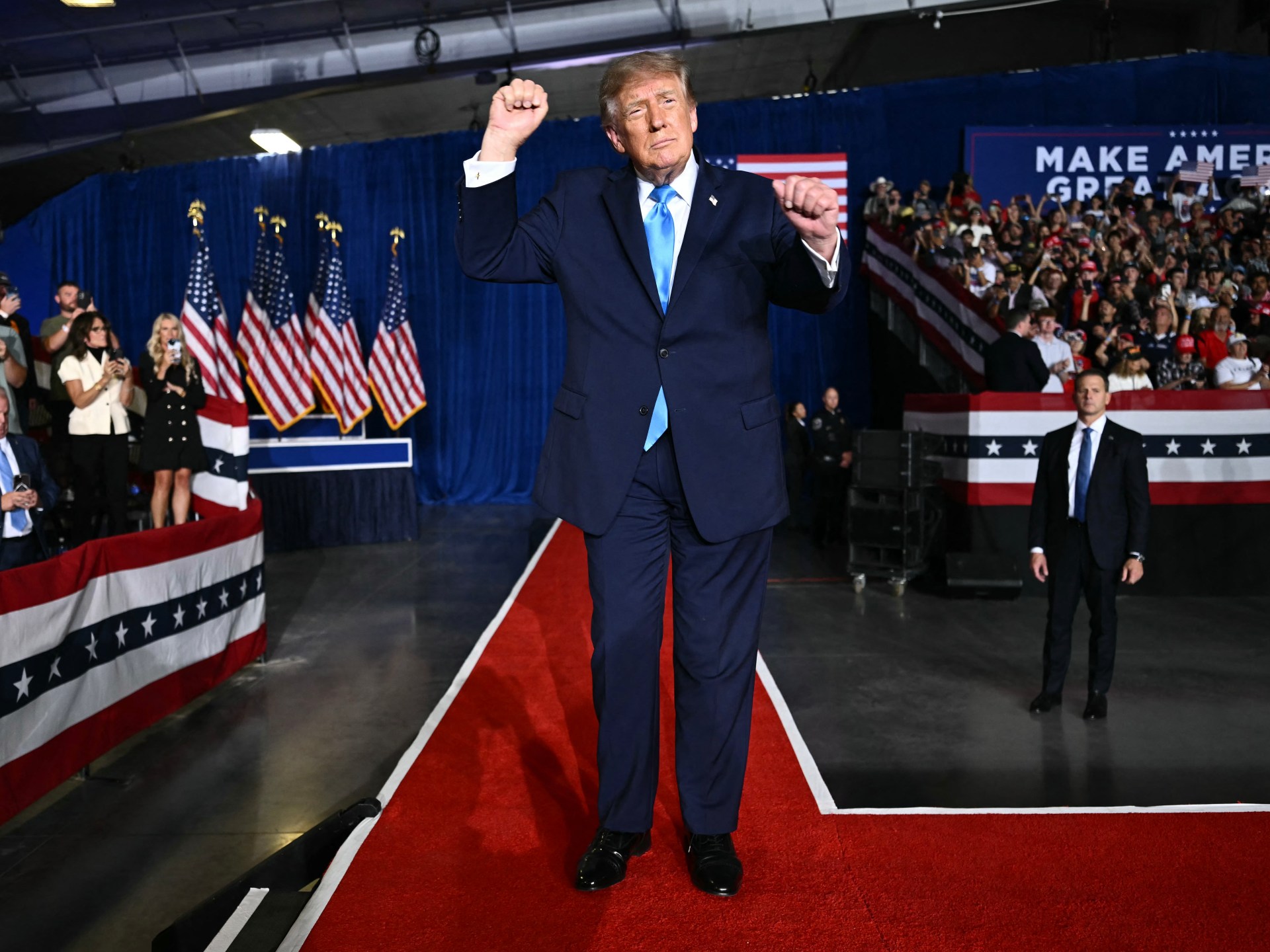
Recent polling data reveals that a substantial majority of the American public strongly opposes the use of public funds for presidential advertising campaigns, centering on a promotional initiative branded as a national 'golden age.' The controversy erupted after federal disclosures highlighted substantial state expenditures allocated toward broadcasting messaging that critics argue serves partisan political interests rather than essential public communications.
While former and prospective executive figures have asserted that future promotional efforts will be financed entirely through private or campaign contributions, the current administration has formally confirmed that public treasuries will not be reimbursed for historical outlays. This stance has ignited intense domestic debate regarding executive overreach, the transparency of discretionary federal spending, and the ethical boundaries separating state-sponsored informational campaigns from partisan advocacy.
Global Trade & Economic Ripples
Although domestic in origin, controversies surrounding United States fiscal policy and executive spending priorities invariably generate ripples across global financial markets. International investors closely monitor American domestic governance stability and fiscal discipline as barometers for broader economic predictability. When questions arise concerning the allocation of federal capital and the integrity of public budgeting, foreign exchange markets and sovereign debt instruments can experience subtle shifts in risk premium pricing.
Furthermore, the debate over government advertising expenditures intersects with broader international discussions regarding public sector transparency and accountability. Multinational corporations and global trade partners evaluate US domestic political friction to gauge the potential for legislative deadlocks or shifts in regulatory focus. Any perceived erosion of institutional norms within the world's largest economy can influence investor sentiment, foreign direct investment flows, and international perceptions of American economic governance.
Related Intelligence: Belgian Student Protests Spark Wider Economic and Political Debate
International Reactions & Diplomatic Stances
While foreign ministries and multilateral bodies typically refrain from intervening directly in domestic administrative disputes, international observers and political risk analysts have noted the domestic polarization surrounding the ad campaign. Diplomatic circles in key allied and competing capitals view the controversy as another indicator of the intense political friction characterizing the contemporary American landscape.
Global governance watchdogs have emphasized that the utilization of public coffers for executive messaging underscores the necessity for robust legal frameworks governing state communications. International financial institutions, including organizations monitoring transparency and anti-corruption measures, frequently cite the blurred lines between official government information and political promotion as a vulnerability in democratic governance structures globally.
Strategic Outlook & Future Scenarios
Looking ahead, the fallout from the taxpayer-funded advertising dispute is expected to fuel ongoing legislative battles in the US Congress, with opposition lawmakers pushing for stricter oversight mechanisms and statutory limitations on executive branch promotional budgets. These domestic legislative maneuvers could establish important legal precedents regarding how future administrations utilize public funds for media outreach.
For international markets and foreign observers, the primary takeaway is the persistent volatility within the American political framework. As upcoming electoral cycles approach, debates over fiscal responsibility, transparency, and the appropriate scope of executive authority will remain central to the domestic and international evaluation of United States leadership stability.
Join Our Official WhatsApp Channel
Receive live commodity alerts, policy changes, and commercial intelligence directly on WhatsApp.