
Lionel Messi Farewell Reshapes Global Sports Economy and Cultural Diplomacy
The international career culmination of football icon Lionel Messi reverberates far beyond South America, triggering profound commercial and cultural shifts across global markets and emerging fanbases.
Geopolitical & Core Developments
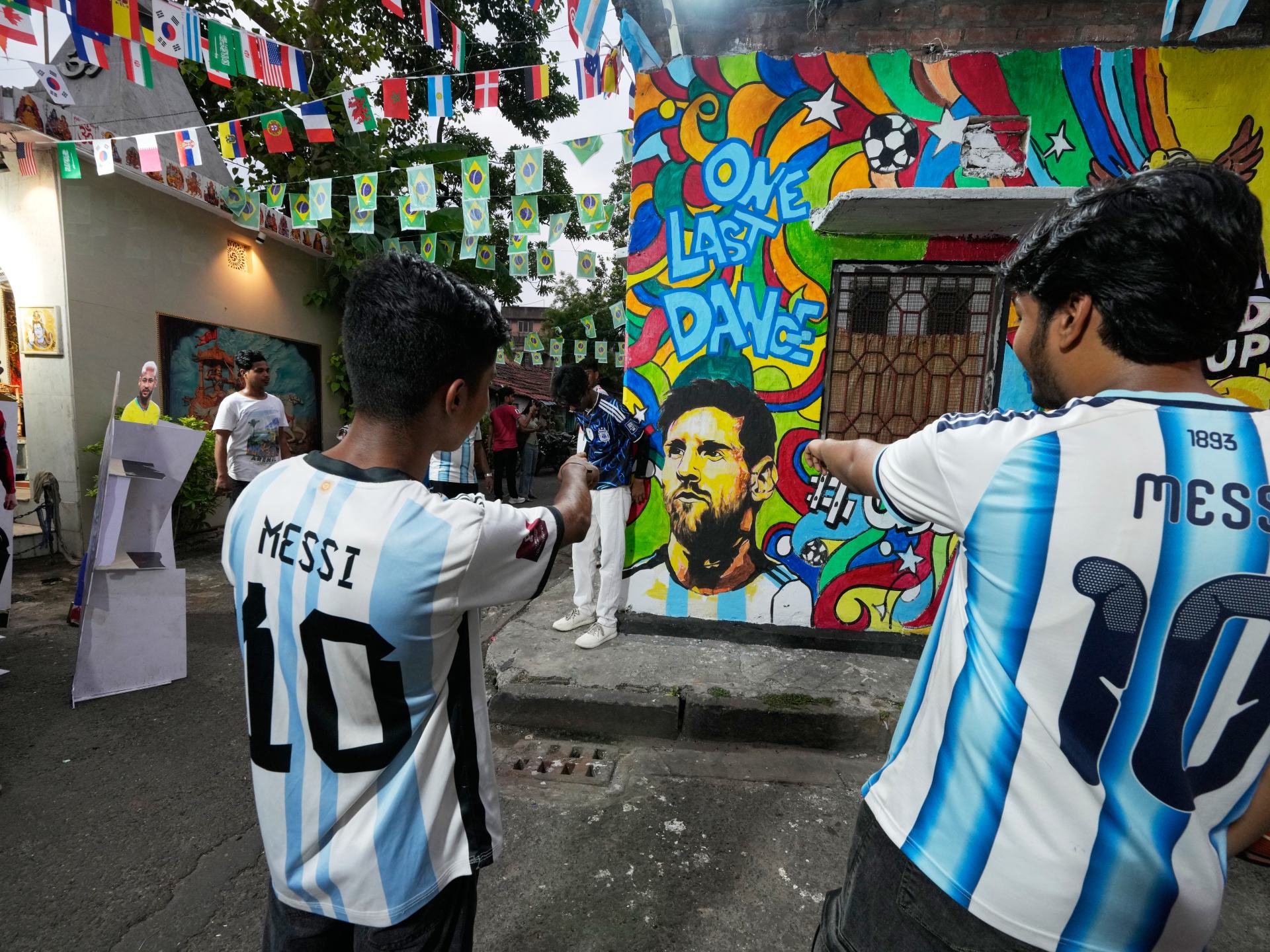
The twilight of Lionel Messi's international competitive career marks the end of a profound era in soft power and cultural diplomacy. While sports traditionally operate on the periphery of statecraft, elite athletes of Messi's stature function as pivotal ambassadors of national identity, bridging continents through the universal appeal of football. From Buenos Aires to New Delhi, the emotional resonance of his departure underscores how athletic prowess can transcend geopolitical boundaries, fostering deep transnational connections. State actors and cultural ministries increasingly recognize the strategic value of global sporting icons in projecting national prestige and cultivating international goodwill.
The timeline of his final international appearances has accelerated diplomatic and cultural dialogues regarding sports legacy. Governments in emerging football-watching nations view the engagement of international superstars not merely as entertainment, but as vital catalysts for domestic sports infrastructure development. Bilateral cultural exchanges between Argentina and key Asian markets have intensified, driven by the shared cultural appreciation of athletic excellence. This phenomenon illustrates a modern paradigm where cultural influence and soft power are frequently anchored by private individuals rather than traditional diplomatic channels.
[Global Trade](/news/gaza-three-years-destruction-economic-impact-kalyar-traders) & Economic Ripples
The economic implications of Messi's international farewell extend deeply into global trade, sports merchandising, and digital broadcasting rights. Major sportswear conglomerates, telecommunications giants, and multinational sponsors face immediate restructuring of their marketing portfolios and supply chains. The production and distribution of licensed merchandise—spanning thousands of manufacturing hubs across Southeast Asia—experience calibrated volume shifts as consumer demand transitions from active-play memorabilia to legacy branding and historical collections.
Furthermore, global media rights valuations are undergoing rigorous reassessment. Broadcasters operating in lucrative markets across the Americas, Europe, and Asia rely heavily on marquee talents to drive subscription revenues and advertising yields. The conclusion of Messi's tenure prompts executive leadership at major media networks to reevaluate risk exposure and investment strategies for upcoming international tournaments. Concurrently, regional logistics and freight forwarding networks dedicated to sports event management must adapt to shifting calendar demands and tournament formats designed to sustain fan engagement in the post-Messi landscape.
Related Intelligence: Gaza Escalation Deepens Middle East Instability and Commercial Risk
International Reactions & Diplomatic Stances
Commercial analysts, sports federations, and international trade bodies have issued comprehensive assessments evaluating the macroeconomic impact of the transition. Market research firms specializing in the sports economy note that consumer spending elasticity in key growth regions—such as India, Southeast Asia, and the Middle East—remains remarkably resilient despite macroeconomic headwinds, largely sustained by deep emotional investments in legendary athletes.
Multilateral sports governing bodies, including FIFA and regional confederations, have emphasized the necessity of strategic adaptation. In official briefings, market analysts underscore that the globalization of football commerce relies on cultivating new generation stars to maintain the robust financial ecosystems built over the past two decades. Trade delegations from emerging economies have leveraged the universal appeal of sports to negotiate broader commercial partnerships, highlighting how athletic iconography frequently serves as a precursor to deeper economic cooperation and foreign direct investment.
Strategic Outlook & Future Scenarios
Looking ahead, the global sports economy faces a transitional phase characterized by decentralization and the rise of new regional powerhouses in sports consumption. As traditional titans exit the international stage, corporate stakeholders and tournament organizers are pivoting toward diversified marketing strategies that mitigate reliance on any single athlete. Upcoming international summits and trade expositions focusing on the sports industry will heavily feature panels on digital monetization, fan tokenization, and supply chain resilience in merchandise manufacturing.
Ultimately, the enduring legacy of Messi's career extends far beyond the pitch, establishing a benchmark for global brand equity and international cultural integration. As emerging markets continue to mature as primary consumers of global sports content, commercial entities must navigate a complex landscape of shifting loyalties and evolving trade dynamics. The capacity of international brands and sports federations to adapt to these structural shifts will dictate the commercial viability and global reach of the sport in the decades to come.
Join Our Official WhatsApp Channel
Receive live commodity alerts, policy changes, and commercial intelligence directly on WhatsApp.