
Deadly Flash Floods Paralyze Eastern Spain, Threatening Mediterranean Agricultural Corridors
Torrential rains and flash floods in eastern Spain have killed at least four people, submerging key transport infrastructure and threatening agricultural output across the Iberian Peninsula.
Geopolitical & Core Developments
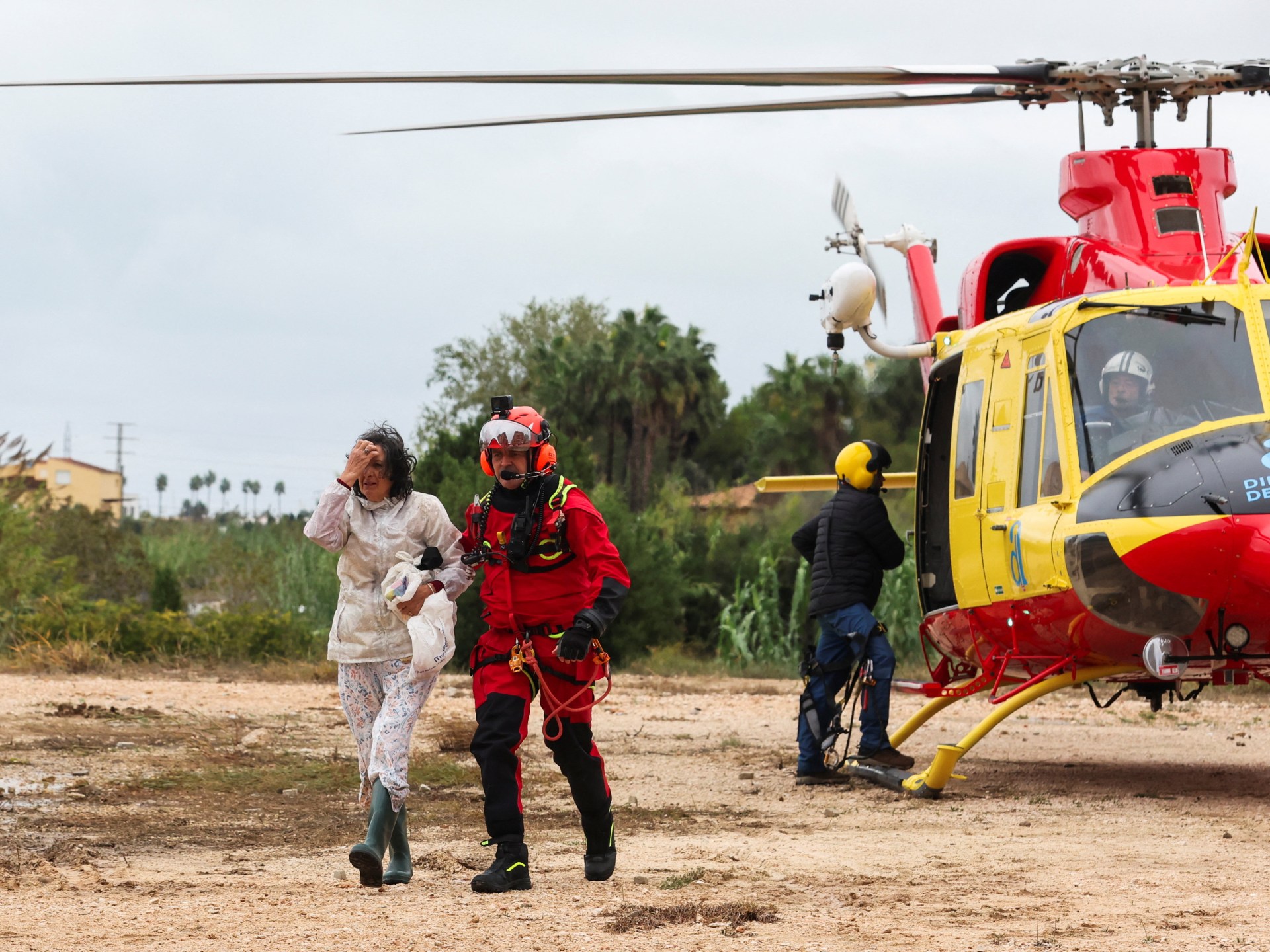
A severe meteorological event characterized by intense convective storms has inundated vast swathes of eastern Spain, resulting in at least four confirmed fatalities, critical infrastructure failures, and widespread displacement across the Mediterranean littoral. Emergency coordination authorities confirmed that localized rainfall exceeding 200 millimeters within hours overwhelmed urban drainage networks and hydrological basins in autonomous communities along the coastline, including Valencia and neighboring provinces.
Local civil protection agencies, backed by the Spanish military's Military Emergencies Unit (UME), mobilized specialized search-and-rescue detachments as raging torrents swept away vehicles, collapsed structural bridges, and inundated low-lying residential sectors. The central government in Madrid established an emergency crisis committee to assess casualties and dispatch logistical reinforcements. The disaster underscores escalating concerns over climate volatility across Southern Europe, where shifting atmospheric circulation patterns increasingly produce extreme, localized hydrological shocks that test the limits of public safety, contingency governance, and emergency response mechanisms.
Global Trade & Economic Ripples
Beyond the humanitarian toll, the catastrophe poses immediate headwinds for cross-border logistics and pan-European agri-food supply chains. Eastern Spain serves as an indispensable agricultural engine for the European Union, generating significant volumes of citrus fruits, vegetables, and specialty produce destined for northern and central European wholesale hubs. The severe flooding has inundated critical agricultural acreages, destroyed irrigation systems, and halted mechanical harvesting operations, introducing immediate supply deficit risks and upward price pressures across wholesale commodity exchanges.
Furthermore, road freight arteries, specifically along the Mediterranean Corridor (AP-7 motorway), faced widespread closures and detours due to submerged pavement and landslide hazards. Freight rail operations experienced service suspensions, impeding the movement of bulk industrial cargo toward major transshipment gateways such as the Port of Valencia. Prolonged port congestions and intermodal bottlenecks are anticipated to cause localized shipping delays, compelling logistics operators to re-route freight through inland corridors at elevated operational premiums. Short-term insurance liabilities are projected to surge, prompting institutional reinsurers to recalculate risk exposure metrics across Mediterranean infrastructure assets.
Related Intelligence: Colombia Illegal Gold Mine Collapse Kills 14 Amid Supply Chain Scrutiny
International Reactions & Diplomatic Stances
The European Commission issued a formal statement conveying solidarity with the Kingdom of Spain, signaling readiness to activate the EU Civil Protection Mechanism and channel emergency relief appropriations through the European Union Solidarity Fund (EUSF) should regional assessments exceed statutory damage thresholds. Multilateral institutions underscored the systemic vulnerability of Mediterranean economies to rapid-onset environmental shocks.
Agricultural trade federations across the European Union warned of upstream price volatility, calling for joint market surveillance to prevent market distortions in perishable goods. Analysts at major European economic institutions noted that the recurring incidence of high-impact climate events in Southern Europe is accelerating sovereign debates around mandated infrastructure resilience standards, public-private disaster financing frameworks, and broader capital allocations for climate adaptation.
Strategic Outlook & Future Scenarios
In the near term, public authorities will remain focused on search-and-rescue mop-up operations, utility restorations, and damage assessments before freight lanes and passenger rail lines can be comprehensively certified for full-capacity commercial transit. Secondary supply-chain reverberations are expected to emerge over the coming weeks as food distributors across France, Germany, and the United Kingdom absorb disruptions in Spanish fresh-produce shipments.
Over the medium-to-long term, this episode will intensify political demands for accelerated modernization of flood-defense infrastructure, watershed re-engineering, and urban drainage upgrades across coastal Spain. The disaster will likely serve as a focal point in upcoming European Union environmental and agricultural council meetings, where member states are expected to demand enhanced regional contingency reserves and more agile mechanisms for structural infrastructure recovery amid intensifying environmental turbulence.
Join Our Official WhatsApp Channel
Receive live commodity alerts, policy changes, and commercial intelligence directly on WhatsApp.