
Australian Lawmaker Targeted in Vehicle Attack Amid Mounting Political Security Concerns
An Australian member of parliament survived a deliberate vehicular ramming outside her Victoria constituency office, reigniting concerns over politician safety and regional political stability.
Geopolitical & Core Developments
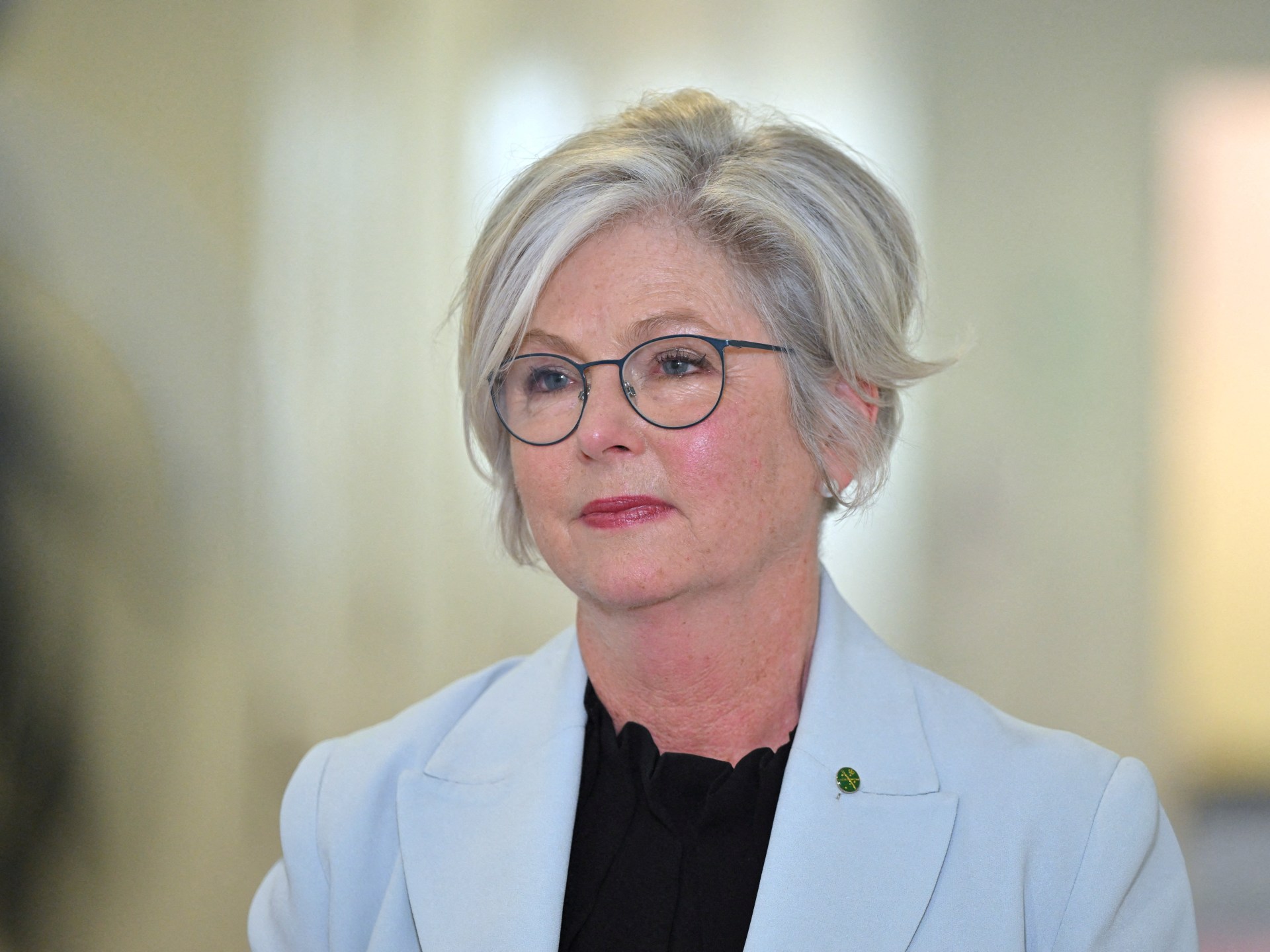
In a concerning breach of political safety, Australian independent Member of Parliament Helen Haines was hospitalized after being deliberately struck by a vehicle outside her constituency office in Wangaratta, regional Victoria. Law enforcement authorities confirmed the arrest of a 43-year-old suspect at the scene, stating that while the collision appeared intentional, initial intelligence indicates the episode was an isolated event rather than part of an organized extremist conspiracy.
Haines, an influential crossbench lawmaker representing the rural federal electorate of Indi, suffered non-life-threatening injuries. The crossbench in Australia plays a critical parliamentary balancing role, particularly during narrow legislative majorities and contentious policymaking cycles. The incident highlights an intensifying trajectory across democratic states, where elected representatives face unprecedented levels of physical threats, vitriolic public sentiment, and security vulnerabilities outside fortified capital districts.
Federal and state intelligence bodies have increasingly flagged security operational challenges outside Canberra, where regional constituency interactions traditionally rely on open public access. The vehicle ramming has mobilized domestic security services to reassess protective measures for parliamentary figures operating in peripheral jurisdictions.
Global Trade & Economic Ripples
While the direct operational impact on global commodity flows and sovereign asset classes remains constrained, the incident intersects with broader governance metrics scrutinized by foreign direct investment and sovereign risk analysts. Australia operates as a vital node in global critical mineral supply chains, liquefied natural gas exports, and agricultural commodity flows to the Asia-Pacific region.
Institutional investors place a premium on Australia’s predictable regulatory architecture and political stability. Isolated security anomalies rarely disturb sovereign bond spreads or Australian dollar valuations directly; however, consecutive disruptions or an escalation in political violence typically force higher domestic expenditure allocations toward homeland security and infrastructure hardening. Increased national security spending could redirect capital allocations away from critical infrastructure, regional development, and trade facilitation initiatives over the medium term.
Furthermore, multinational supply chain stakeholders operating in regional Australia are closely tracking whether local governance centers and municipal transit corridors will experience heightened surveillance, operational disruptions, or increased administrative friction as protection protocols are overhauled.
Related Intelligence: Colombia Illegal Gold Mine Collapse Kills 14 Amid Supply Chain Scrutiny
International Reactions & Diplomatic Stances
Diplomatic channels and domestic leaders moved quickly to condemn the act of violence. Australian Prime Minister Anthony Albanese issued a firm statement underscoring that intimidation and violence against public servants strike at the core of democratic institutions, reiterating that democratic disagreement must remain peaceful and protected by the rule of law.
Opposition leaders and fellow crossbench parliamentarians echoed this sentiment, emphasizing the necessity of preserving accessible representative democracy without exposing officials to unmitigated danger. Peer democracies, observing through diplomatic missions in Canberra, have noted the incident within the broader pattern of democratic volatility seen in the United States, the United Kingdom, and Western Europe, where legislative representatives have increasingly become targets of individualized violence.
Security analysts from international policy institutes underscored that localized assaults often stem from digital radicalization and socio-economic polarization, posing complex challenges for traditional policing frameworks that are historically oriented around coordinated terrorist organizations.
Strategic Outlook & Future Scenarios
The immediate trajectory will focus on the judicial prosecution of the suspect and the structural security reviews mandated by the Australian Federal Police. Parliamentary oversight committees are anticipated to accelerate statutory recommendations concerning constituency-level protective architecture, which may include hardened physical barriers, heightened police escorts, and upgraded digital monitoring around regional offices.
Looking ahead, Australian policymakers will confront the delicate balance between hardening public spaces and maintaining democratic accessibility. Should physical barriers expand significantly, the historic hallmark of approachable parliamentary governance across Commonwealth democracies may contract. Internationally, this development reinforces the imperative for intelligence-sharing protocols regarding lone-actor hostility, ensuring that domestic security vulnerabilities do not destabilize legislative functions within core G20 economies.
Join Our Official WhatsApp Channel
Receive live commodity alerts, policy changes, and commercial intelligence directly on WhatsApp.