
Sudan Faces Escalating Famine Risk as War and Drought Converge
The convergence of prolonged armed conflict and El Nino-driven drought has sharply escalated famine risks across Sudan, imperiling regional agricultural corridors and humanitarian supply chains.
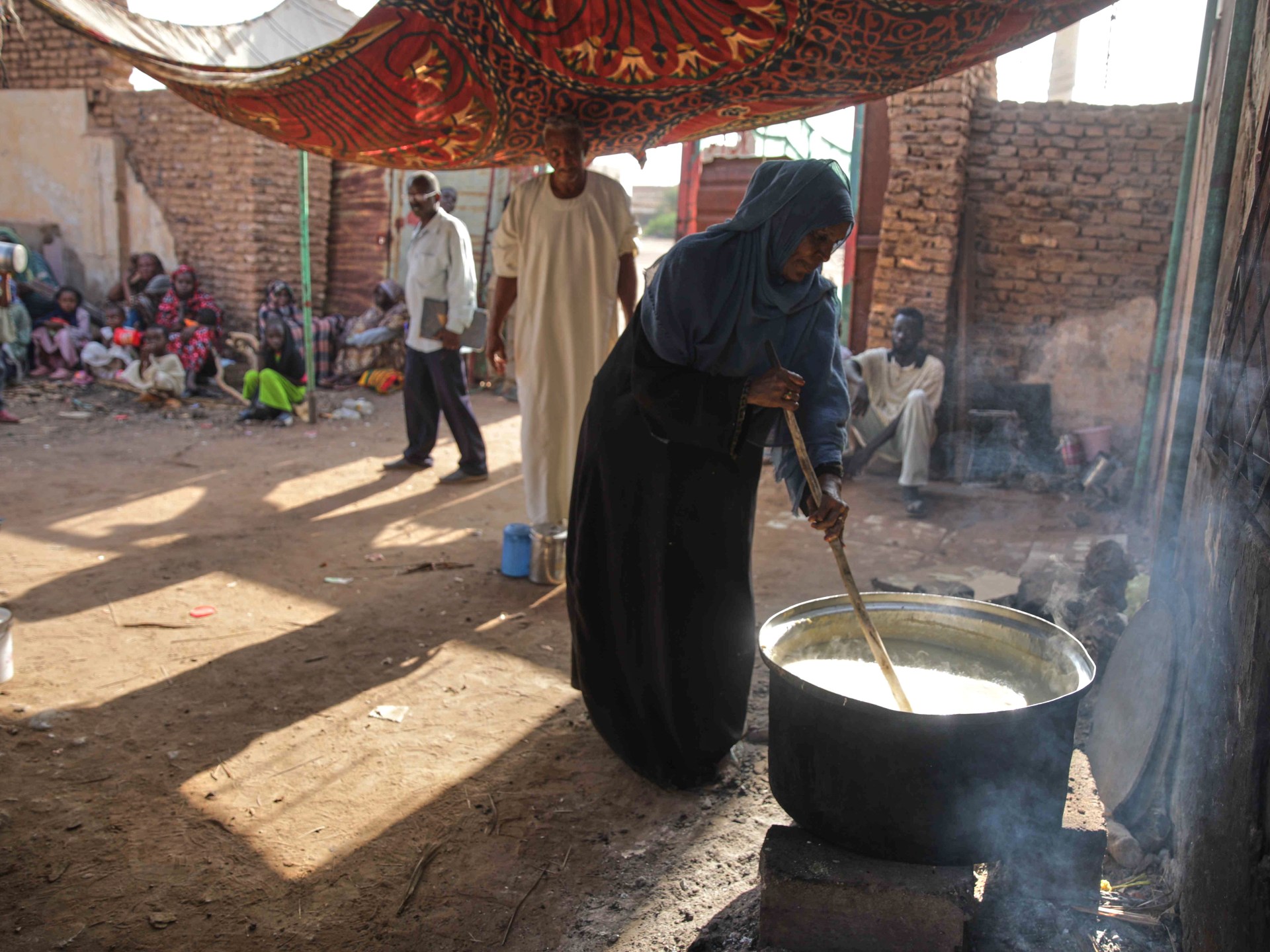
Geopolitical & Core Developments
A compounding humanitarian catastrophe is unfolding across Sudan as widespread, climate-induced drought collides with prolonged civil conflict. According to international monitoring groups and early warning networks, an intense El Nino weather pattern has triggered severe rainfall deficits across roughly half of the country. This environmental shock directly compounds the devastation wrought by the ongoing war between the Sudanese Armed Forces (SAF) and the paramilitary Rapid Support Forces (RSF).
The fighting, which erupted in April 2023, has fragmented governance, destroyed essential infrastructure, and displaced over 10 million people—creating the world's largest internal displacement crisis. Crucially, the conflict has engulfed primary agricultural zones, notably the breadbasket states of Al Jazirah, Sennar, and Gedaref. Farmers have been systematically prevented from planting or harvesting staple crops, while critical irrigation schemes and storage facilities have been looted or abandoned. With El Nino suppressing critical seasonal rains, subsistence agriculture and mechanized farming sectors are facing total yield collapse, pushing vast swaths of the population toward catastrophic acute food insecurity.
Global Trade & Economic Ripples
While Sudan's crisis is fundamentally a humanitarian emergency, its economic reverberations extend into regional commodity flows and maritime corridors. Sudan historically served as a major exporter of gum arabic, sesame seeds, and livestock to markets across the Middle East and North Africa. The disruption of internal transit routes to Port Sudan has throttled these export pipelines, driving volatility in regional livestock pricing across the Arabian Peninsula and tightening global supplies of food-grade gum arabic, an indispensable emulsifier in global pharmaceutical and beverage manufacturing.
Furthermore, the persistent instability alongside the Red Sea coast adds friction to already vulnerable maritime logistics. International grain markets, currently coping with broader supply chain recalibrations, face additional strain as the need for imported commercial and emergency wheat surges across East Africa. Heightened demand for sea freight to offload relief supplies at Port Sudan coincides with elevated war-risk insurance premiums, compounding the landed cost of food commodities throughout the Horn of Africa.
Related Intelligence: Federal Raid on US Lawmaker Signals Tightening Border and Immigration Enforcement
International Reactions & Diplomatic Stances
Multilateral organizations and foreign ministries have issued urgent appeals regarding the compounding threats of conflict and climate degradation. The United Nations Office for the Coordination of Humanitarian Affairs (OCHA) and the Famine Early Warning Systems Network (FEWS NET) have repeatedly warned that large segments of Darfur, Kordofan, and Khartoum face imminent famine classifications under the Integrated Food Security Phase Classification (IPC).
The United States, the European Union, and African Union leadership have called on both belligerents to halt hostilities, ensure the protection of civilians, and immediately permit unhindered cross-border and cross-line aid operations through key gateways such as the Adre crossing on the Chadian border. Western diplomats have underscored that bureaucratic obstruction and weaponized starvation violate international humanitarian law. However, despite multilateral mediation attempts led by regional actors, comprehensive ceasefire mechanisms and humanitarian corridors have consistently broken down.
Strategic Outlook & Future Scenarios
The trajectory of Sudan's dual crisis remains precarious. Over the coming quarters, the depletion of local grain inventories ahead of the lean season will likely accelerate starvation rates unless emergency food airlifts and cross-border convoys scale up significantly. If seasonal rainfall deficits persist under ongoing climate anomalies, the collapse of dryland agriculture will trigger secondary displacement waves toward neighboring Chad, South Sudan, and Egypt, stretching the resources of already fragile regional economies.
Geopolitically, the risk of external proxy involvement threatens to further entrench the conflict. Absent unified pressure from Gulf and Western stakeholders to cut off external armaments and enforce humanitarian compliance, the intersection of military stalemate and environmental disruption will entrench one of the most severe famines documented in modern history.
Join Our Official WhatsApp Channel
Receive live commodity alerts, policy changes, and commercial intelligence directly on WhatsApp.