
Singapore Container Ship Sinks After Projectile Strike in Strait of Hormuz
A Singapore-flagged container vessel has sunk in the Strait of Hormuz after being struck by an unidentified projectile, intensifying global trade vulnerabilities and driving up regional shipping risks.
Geopolitical & Core Developments
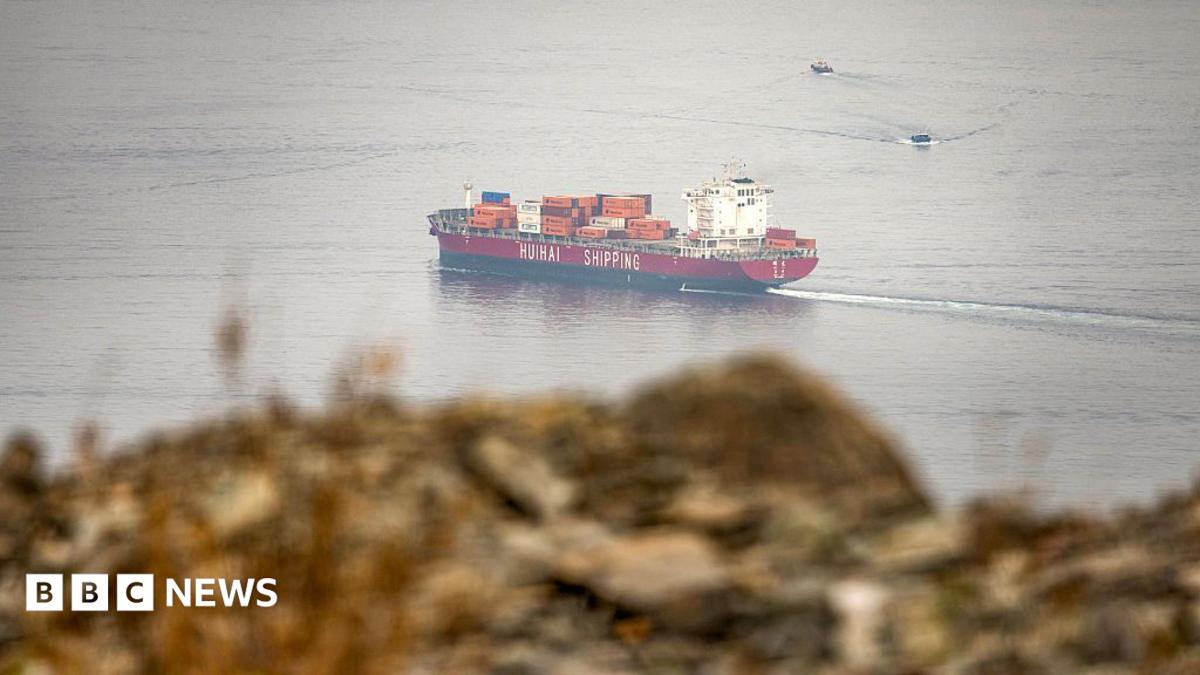
A critical escalation unfolded along one of the world's most precarious maritime choke points on Tuesday when the Singapore-flagged container ship GFS Pride sank after being struck by an unidentified projectile in the Strait of Hormuz. Maritime authorities from Singapore's Maritime and Port Authority confirmed that all 21 crew members were evacuated safely following distress calls and swift coordination with regional maritime rescue centers.
The incident represents a severe worsening of maritime security in Middle Eastern waters. The vessel sustained catastrophic structural damage beneath the waterline, initiating uncontrolled flooding that eventually caused it to founder. While no group or state actor has formally claimed responsibility, regional military observers point to ongoing proxy hostilities and asymmetric naval tactics that have repeatedly threatened commercial shipping in the Persian Gulf and adjacent transit corridors.
The Strait of Hormuz, connecting the Persian Gulf to the Gulf of Oman, handles approximately one-fifth of the world's petroleum consumption alongside heavy flows of containerized dry cargo. The sinking of a commercial container vessel within these narrow transit lanes marks a transition from localized harassment to direct, vessel-destroying kinetic actions, heightening fears of expanded military engagement among littoral states.
Global Trade & Economic Ripples
The sinking sent shockwaves through international maritime logistics and mercantile commodity markets. Marine insurers immediately moved to re-evaluate war-risk premiums for vessels transiting the Persian Gulf, with underwriters expected to impose additional surcharges that will inflate container freight rates on Asia-Europe and intra-regional Gulf routes.
Global supply chain managers now face compound maritime choke point distress. With transit through the Red Sea already severely compromised by regional unrest, the destabilization of the Strait of Hormuz limits alternative trade diversions and threatens global manufacturing schedules. Energy markets reacted instantaneously, with benchmark Brent crude contracts gaining upward momentum as traders priced in heightened supply disruption risks.
Commercial liner operators are reviewing operational schedules, with some international carriers issuing notices regarding potential anchorage delays, revised port rotations, and compulsory convoy requirements. Prolonged insecurity in the strait threatens to strain regional food security and intermediate goods distribution across Middle Eastern economies heavily reliant on imported containerized provisions.
Related Intelligence: Yemen War at Crossroads as Escalation Threatens Global Trade Corridors
International Reactions & Diplomatic Stances
The Maritime and Port Authority of Singapore stated it is collaborating fully with international naval forces and relevant coastal states to investigate the nature of the weapon deployed against the GFS Pride. Singaporean officials emphasized that freedom of navigation in international waterways is a fundamental pillar of international law that must be protected unconditionally.
The International Maritime Organization expressed deep concern over the attack, reiterating that commercial seafarers must never be treated as collateral targets in geopolitical disputes. Naval coalitions operating in the region, including Combined Maritime Forces and international monitoring missions, issued advisories urging heightened vigilance, operational standoff distances from disputed littoral zones, and immediate reporting of suspicious surface craft or aerial activity.
Diplomatic envoys from major consumer nations in East Asia and Europe called for an emergency review of shipping protections, urging regional states to exercise restraint and de-escalate tensions to avoid broader regional contagion.
Strategic Outlook & Future Scenarios
The trajectory of the crisis will depend heavily on the forensic attribution of the projectile. Should investigations identify state-sponsored weaponry or advanced anti-ship cruise missiles, international pressure will mount for multilateral naval escorts throughout the Strait of Hormuz, mimicking past protective task forces.
In the near term, shipping operators will confront surging operational expenditures, characterized by bunker adjustments, hazard pay provisions for crews, and spiraling hull and machinery insurance. Diplomatic channels at the United Nations Security Council are expected to address the event, though entrenched geopolitical divisions may impede a unified multilateral response. If hostile strikes against merchant tonnage persist unabated, the international trade regime faces structural inflation across industrial commodities, altered shipping routes, and systemic fragility in global energy and merchandise distribution networks.
Join Our Official WhatsApp Channel
Receive live commodity alerts, policy changes, and commercial intelligence directly on WhatsApp.