
China and North Korea Formally Open Strategic New Yalu River Bridge
China and North Korea have formally opened the long-delayed New Yalu River Bridge, expanding border infrastructure and bolstering bilateral overland trade despite international sanctions.
Geopolitical & Core Developments
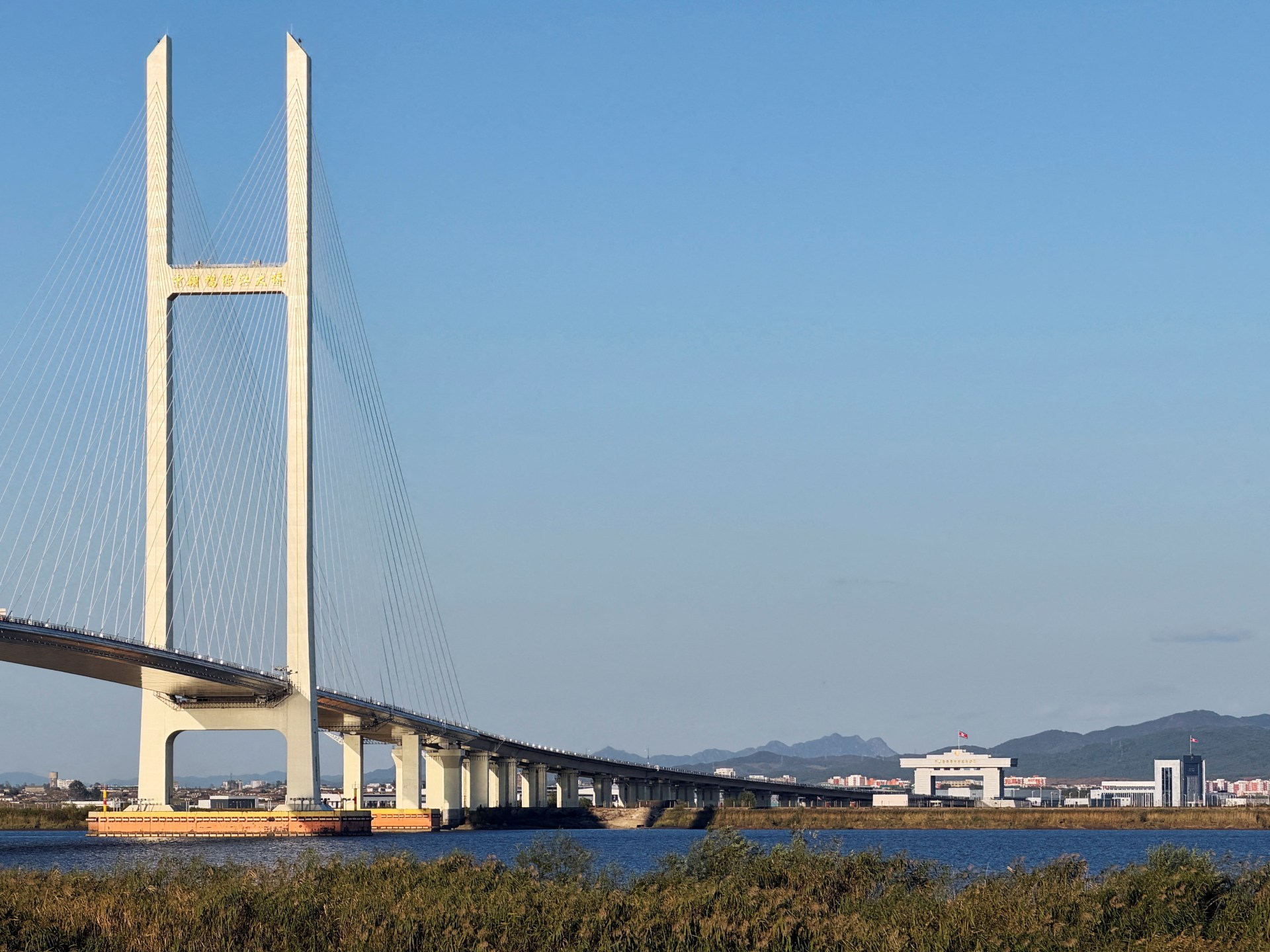
China and North Korea have officially opened the New Yalu River Bridge, ending a decade-long impasse that left the multi-lane suspension project idle. Connecting China's northeastern border hub of Dandong with North Korea's Sinuiju Special Administrative Region, the infrastructure represents a calculated recalibration of bilateral relations between Beijing and Pyongyang.
Originally completed around 2014 at an estimated cost of $350 million—largely financed by Beijing—the project remained non-operational because Pyongyang delayed constructing reciprocal customs terminals, inspection plazas, and arterial connector roads. State media reports confirmed the formal inauguration following months of synchronized groundwork and high-level diplomatic coordination. The activation of this modern transit route marks a significant upgrade over the century-old Sino-Korean Friendship Bridge, a narrow single-track conduit that has long constrained cross-border logistics.
The timing of the bridge's opening underscores deepening strategic alignment between North Korean Supreme Leader Kim Jong Un and Chinese President Xi Jinping. Amid heightened friction with Washington and expanding regional defense pacts involving South Korea and Japan, Beijing appears determined to preserve internal stability and economic viability within North Korea.
Global Trade & Economic Ripples
The commissioning of the New Yalu River Bridge introduces immediate structural implications for bilateral commercial flows. Dandong traditionally accounts for approximately 70 percent of all Sino-North Korean trade, handling consumer goods, agricultural inputs, industrial machinery, and textiles. The expanded crossing eliminates severe bottlenecking, with the potential to quadruple daily vehicular freight capacity.
From a global commodity perspective, the corridor solidifies China's role as North Korea's predominant economic lifeline. While United Nations sanctions rigorously prohibit North Korean exports of coal, iron ore, seafood, and textiles, regional monitoring groups anticipate increased deliveries of agricultural fertilizers, grain, industrial raw materials, and refined petroleum products north of the border.
Furthermore, market observers note that improved land logistics reduce reliance on illicit ship-to-ship maritime transfers in the Yellow Sea. By anchoring trade to physical land checkpoints, Beijing consolidates regulatory oversight along its periphery, simultaneously providing North Korean state enterprises with predictable access to Chinese wholesale supply chains and renminbi-denominated clearing mechanisms.
Related Intelligence: Pakistan Security Lockdown in Imran Khan Bastion Raises Political and Economic Risks
International Reactions & Diplomatic Stances
The formal commissioning has elicited sharp scrutiny from Western capitals and regional neighbors. In Seoul, the Ministry of Unification reiterated that all cross-border commercial interactions involving North Korea must strictly comply with United Nations Security Council (UNSC) resolutions governing illicit goods, dual-use technology, and revenue diversion toward weapons of mass destruction.
Officials in Washington echoed these sentiments, urging Beijing to exercise its unique leverage to enforce multilateral sanctions rather than facilitating unilateral economic relief. Analysts suggest the development demonstrates the widening divide within the UN Security Council, where permanent members China and Russia have consistently vetoed additional punitive measures against Pyongyang.
Conversely, Chinese foreign ministry representatives maintained that the bridge operates as normal civilian and border infrastructure, intended to foster regional stability, support regional development, and facilitate lawful bilateral commerce. Pyongyang's state apparatus characterized the crossing as a milestone in socialist solidarity and self-reliant economic modernization.
Strategic Outlook & Future Scenarios
The operationalization of the New Yalu River Bridge heralds a new phase of institutionalized economic interdependence between China and North Korea. Over the near term, bilateral traffic will likely expand under strict quarantine, customs, and security protocols managed by both states.
However, the facility will remain a flashpoint in international diplomacy. Should North Korea conduct subsequent nuclear or advanced ballistic missile tests, Western powers will intensify pressure on Beijing to restrict traffic across the bridge. Additionally, as trilateral security cooperation between the United States, Japan, and South Korea consolidates, Beijing's willingness to insulate North Korea via physical infrastructure highlights an entrenched geopolitical bloc dynamic across Northeast Asia. The strategic arterial corridor ensures that regardless of diplomatic isolation abroad, North Korea's economic connectivity with China remains structurally secured.
Join Our Official WhatsApp Channel
Receive live commodity alerts, policy changes, and commercial intelligence directly on WhatsApp.