
Real Madrid Consolidates European Prestige with Emphatic Victory Over RB Leipzig
Real Madrid extended their dominant European campaign with a 4-1 victory against RB Leipzig, highlighting the enduring economic power and geopolitical reach of elite international football.
Geopolitical & Core Developments
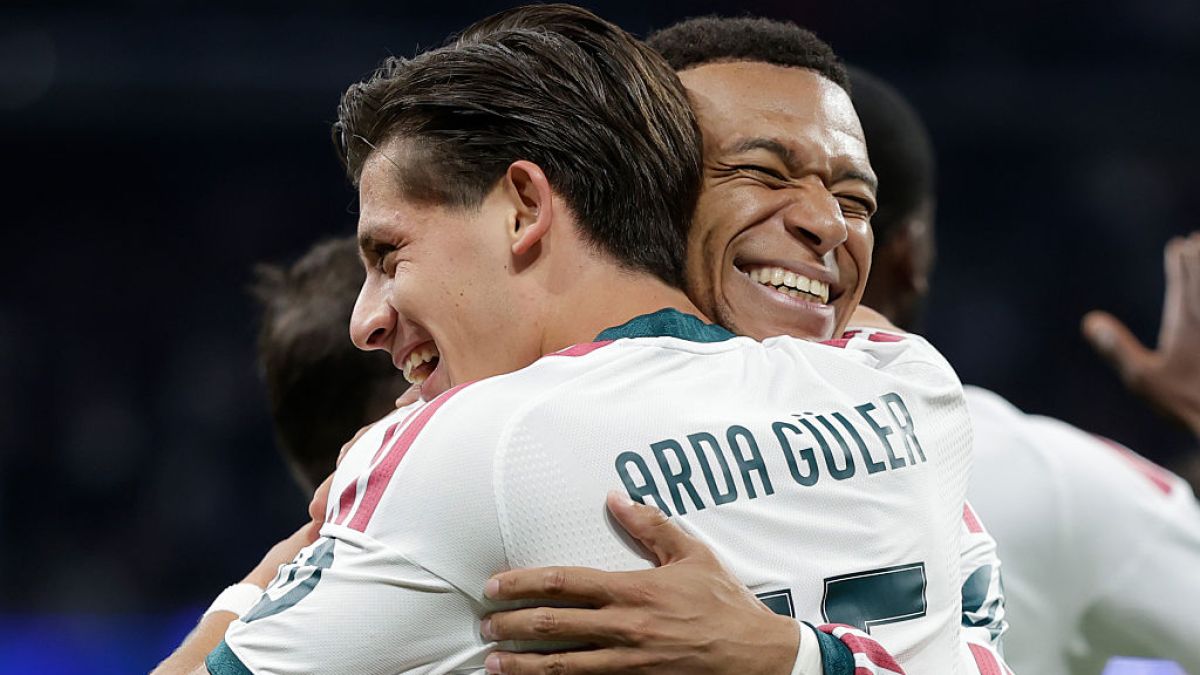
In a contest that mirrored the wider geopolitical weight of modern elite athletics, Spanish football powerhouse Real Madrid dispatched German side RB Leipzig with a comprehensive 4-1 scoreline to preserve their perfect start in the UEFA Champions League. Driven by standout individual performances, including long-range strikes from marquee signing Kylian Mbappe and rising talent Yan Diomande, the encounter served as a visible manifestation of sporting dominance on the international stage.
Beyond the tactical execution on the pitch, continental club fixtures of this tier have transformed into significant diplomatic and corporate touchpoints. Real Madrid, intrinsically linked to Spanish national prestige and backed by substantial multinational commercial consortia, represents a key node in Western Europe's cultural export economy. RB Leipzig, sustained by Austria-based Red Bull GmbH’s global sporting network, exemplifies the corporate-syndicate model reshaping European competition. The match timeline illustrated Real Madrid's tactical supremacy, neutralizing the high-press strategies favored by the German side and reasserting the traditional European elite's hegemony amid an evolving competitive landscape.
Global Trade & Economic Ripples
The economic footprint of premier Champions League fixtures extends far beyond ticket gate receipts, generating substantial ripple effects across broader European services, corporate media valuation, and cross-border commercial travel. UEFA's revamped tournament format has catalyzed heightened broadcasting negotiations across North American, Middle Eastern, and Asia-Pacific markets, illustrating the expanding monetization of athletic entertainment as an asset class.
Furthermore, transnational fixtures drive intense regional commerce. Aviation routes connecting the Iberian peninsula with Central Europe registered marked increases in short-haul freight and passenger traffic surrounding the fixture, providing ancillary support to the intra-EU hospitality and aviation sectors. Premium corporate sponsorship arrangements tied to both institutions reinforce broader supply chain linkages, spanning global apparel manufacturing, digital entertainment rights, and multinational consumer goods. The relentless expansion of sports intellectual property rights is increasingly treated by institutional investors as a non-correlated macro hedge against industrial volatility.
International Reactions & Diplomatic Stances
Market analysts, European sports governance authorities, and broadcast conglomerates noted the strategic implications of Madrid's victory. UEFA stakeholders emphasized that high-scoring, high-profile fixtures validate recent administrative and commercial restructuring of European club competitions, which aimed to generate higher recurring revenues amid calls for competing continental super-leagues.
Corporate analysts focused on the financial dividends of roster investments, specifically highlighting how major talent acquisitions like Mbappe translate directly into brand equity and merchandise distribution channels in global emerging markets. Representatives from municipal tourism boards in Madrid acknowledged the persistent economic multiplier effect generated by hosting global footballing spectacles, which reliably draw high-net-worth international visitors and deepen cross-border bilateral engagement.
Strategic Outlook & Future Scenarios
Looking ahead, the operational trajectory of elite European football will increasingly intersect with broader regulatory, financial, and soft-power dynamics. As Real Madrid moves into the later knockout phases of the tournament, the institutional valuation of European sports franchises will face scrutiny under tightened UEFA financial sustainability guidelines and evolving corporate investment frameworks.
Upcoming European sports management summits will monitor the ongoing balance of power between heritage sporting clubs and privately funded conglomerates. If traditional powers maintain their competitive dominance on the pitch while aggressively expanding international commercial footprints, the divide between tier-one global sports brands and domestic-focused outfits will widen further. Observers anticipate intensified efforts by international sovereign wealth funds and private equity syndicates to secure minority stakes in ancillary club operations, reinforcing football's position as a focal point of global capital allocation.
Join Our Official WhatsApp Channel
Receive live commodity alerts, policy changes, and commercial intelligence directly on WhatsApp.