
NA-168 By-Polls: Heavyweight Clash Sets Political and Economic Tone in Bahawalpur
The NA-168 Bahawalpur by-election pits PML-N against independent challengers amid coalition realignments, regional economic demands, and a PTI boycott.
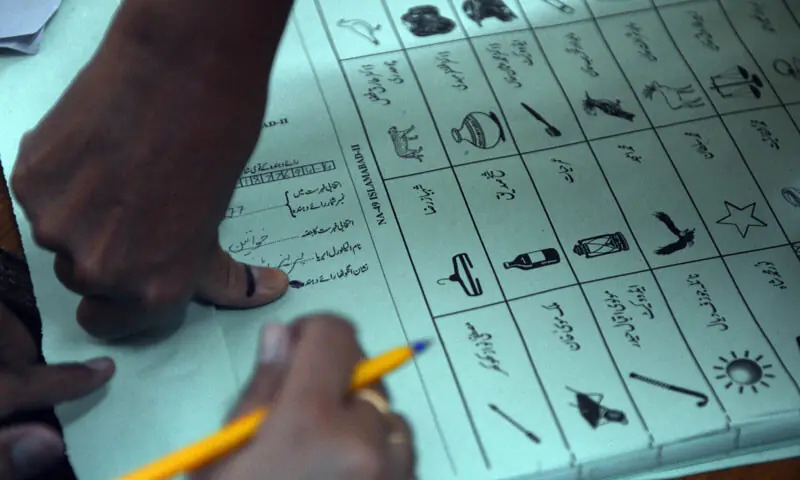
The Core Development
The political landscape of southern Punjab has intensified as the Bahawalpur NA-168 constituency prepares for a high-stakes by-election scheduled for September 27. The electoral battleground has effectively narrowed down to a fierce duel between two prominent political dynasties. On one side stands Malik Munir Iqbal Channar, carrying the banner of the Pakistan Muslim League-Nawaz (PML-N) and seeking to retain the seat previously held by his late father, sitting MNA Malik Muhammad Iqbal Channar. On the opposing side is independent candidate Wali Dad Cheema, son of former federal minister Tariq Bashir Cheema, who represents a formidable challenge in the traditional power corridors of the district.
The electoral dynamics of NA-168 are shaped by a confluence of sympathy factors, tactical alliances, and contentious regional issues. The demise of the senior Channar has generated a wave of localized sympathy that the PML-N is leveraging to secure its voter base. Meanwhile, the Pakistan Peoples Party (PPP) has formally withdrawn its candidate, throwing its weight behind Mr. Channar in alignment with broader coalition agreements at the federal level. PPP leader Syed Ali Haider Gillani publicly emphasized this cooperative stance during media interactions, noting reciprocal electoral adjustments between the coalition partners. Furthermore, various regional political and religious factions have extended their support to the PML-N candidate, consolidating a broad front against the independent challenger. Complicating the electoral arithmetic further is the Pakistan Tehreek-e-Insaf (PTI) decision to boycott the polls, leaving a significant ideological voting bloc unrepresented and altering traditional turnout projections across urban and rural pockets of Bahawalpur.
Commercial & Economic Implications
While parliamentary by-elections primarily concern political representation, the outcome in agrarian and trading hubs like Bahawalpur carries direct ramifications for regional commercial activity, wholesale distribution networks, and local market sentiment. Southern Punjab serves as a critical artery for agricultural supply chains, particularly concerning cotton, wheat, and oilseed production. Political stability and the nature of local representation heavily influence district-level development expenditures, administrative efficiency, and the enforcement of agricultural market committees.
Business and retail communities in Bahawalpur are closely monitoring the by-poll proceedings because local administrative stability directly affects commercial credit flows and wholesale market confidence. Prolonged political polarization or disputed electoral outcomes often translate into regulatory paralysis, delaying crucial infrastructure projects that facilitate crop transit from farm gates to urban markets. Additionally, the persistent local demand for a separate administrative province—a central campaign talking point in this election—highlights underlying economic grievances regarding resource distribution, taxation parity, and budgetary allocations for southern Punjab. Retailers and small-to-medium enterprises (SMEs) depend heavily on predictable provincial policies to manage inflationary pressures, utility tariffs, and seasonal working capital requirements. Consequently, any shift in political hegemony in NA-168 signals potential realignments in how regional trade bodies negotiate economic concessions with the provincial government in Lahore.
Related Intelligence: Athens Gas Blast Kills Six, Sparking Tourism and Infrastructure Scrutiny
Stakeholder Perspectives & Market Reactions
Reactions from local trade associations, agricultural bodies, and civil society organizations reflect cautious observation as the polling date approaches. Chambers of commerce in the Bahawalpur division have expressed concerns that heightened political rallies and polarization could temporarily disrupt daily retail turnover and wholesale commodity auctions. Representatives from local trader syndicates emphasize that the business community requires an uninterrupted administrative focus on inflation control, energy reliability, and municipal governance rather than protracted electoral friction.
Legal and political analysts point out that the consolidation of support behind the PML-N candidate, bolstered by the PPP coalition backing, illustrates a coordinated strategy to maintain status-quo governance in key rural-urban constituencies. However, the unexpected viability of independent candidates backed by traditional family networks demonstrates that grassroots loyalties frequently transcend strict party manifestos. Public response across the constituency remains mixed; while ardent party loyalists engage actively in rallies, a segment of the electorate expresses voter fatigue driven by broader national economic hardships, rising utility costs, and the absence of the PTI from the electoral equation. Stakeholders across the board agree that regardless of the winner, the immediate priority for the incoming lawmaker must be addressing regional economic stagnation and infrastructure deficits.
Forward Outlook & Key Watchpoints
As election day on September 27 approaches, key watchpoints for investors, business analysts, and political observers include voter turnout percentages, administrative neutrality by local law enforcement, and the post-election posture of allied political parties. The handling of the poll by the Election Commission of Pakistan (ECP) will serve as a bellwether for upcoming administrative tests in Punjab.
Following the announcement of official results, market participants will monitor whether the winning candidate initiates immediate legislative or lobbying efforts toward regional development funds and agricultural subsidies. Furthermore, the ability of the ruling coalition to translate this by-election victory into sustained economic policymaking for southern Punjab will determine business confidence levels heading into the final quarter of the fiscal year. Traders and industrial associations will be particularly vigilant regarding any policy shifts concerning agricultural taxation, irrigation water distribution, and municipal market tariffs.
Join Our Official WhatsApp Channel
Receive live commodity alerts, policy changes, and commercial intelligence directly on WhatsApp.