
Chelsea Slump Deepens Financial Scrutiny on US Private Equity Ownership
Chelsea's 3-0 defeat to Brentford deepens operational and financial challenges for its US private equity ownership, highlighting systemic risks across leveraged global sports assets and international broadcast revenues.
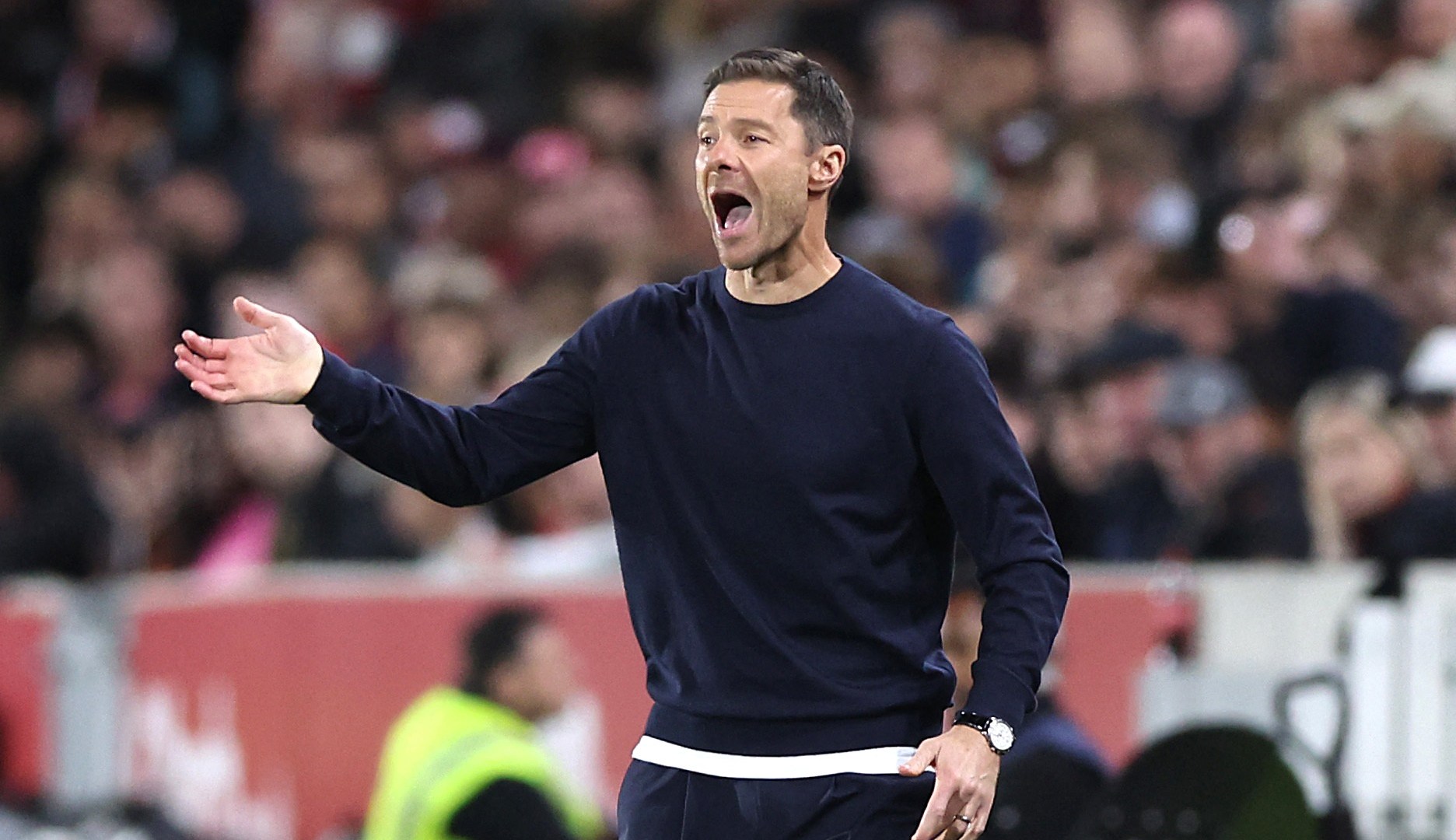
Geopolitical & Core Developments
Chelsea Football Club's 3-0 defeat against Brentford has intensified scrutiny over one of the most prominent cross-border private equity acquisitions in modern sports entertainment. Leaving the west London side with a solitary point from their past three domestic fixtures, the performance exposes deepening operational volatility within an asset whose ownership structure was fundamentally reshaped by global geopolitical sanctions.
Following the 2022 Russian invasion of Ukraine, the UK government and European allies enforced sweeping asset freezes targeting Russian oligarch Roman Abramovich. The forced divestment resulted in a landmark £4.25 billion acquisition by a consortium backed by California-based Clearlake Capital and American investor Todd Boehly. This transaction stood as a bellwether for transatlantic institutional capital entering European premier sports infrastructure. However, prolonged sporting underperformance threatens the economic thesis underpinning multi-club corporate models, underscoring how geopolitical intervention in sovereign assets often yields unpredictable institutional outcomes.
Global Trade & Economic Ripples
The financial ramifications of Chelsea's sustained competitive slump extend directly into international media rights, commercial sponsorships, and leveraged debt markets. The English Premier League serves as a critical British cultural export and a vital component of the UK's trade in services, generating over £10 billion across multi-year overseas broadcast cycles spanning North America, the Asia-Pacific, and the Middle East.
Repeated exclusion from the UEFA Champions League eliminates an estimated £80 million to £100 million in annual prize money, ticketing, and matchday commerce. For Clearlake Capital and its institutional limited partners—which include public pension funds and sovereign investment vehicles—such revenue deficits strain cash flows required to service high-yield debt obligations. Furthermore, the volatility exerts downward pressure on player asset valuations, which had been aggressively capitalized on balance sheets through unprecedented eight-year amortization contracts. The foreign exchange implications are equally tangible, as dollar-denominated private equity funds manage revenue streams earned primarily in sterling, exposing investors to persistent foreign exchange risk amidst wider macroeconomic uncertainties.
Related Intelligence: US Enacts Sweeping Sanctions Targeting Russian Energy and War Financing
International Reactions & Diplomatic Stances
Market analysts and regulatory bodies have responded with growing caution regarding private equity exposure to European sporting entities. Financial analysts at European investment banks have highlighted Chelsea's balance sheet leverage as a primary case study in regulatory and financial contagion. Independent market observers note that aggressive private credit issuance to finance transfer deficits creates structural vulnerabilities across European athletic commerce.
Concurrently, European football's governing body, UEFA, along with the UK's Department for Culture, Media and Sport, have tightened financial oversight mechanisms. Multilateral regulatory authorities have reiterated the necessity of robust capital adequacy frameworks, pointing toward the impending introduction of the UK Football Governance Bill. Market analysts argue that the club's struggles demonstrate the friction between Wall Street financial engineering and the strict regulatory frameworks governing European competition, prompting broader debates among international investors regarding asset allocation in state-adjacent sports entertainment.
Strategic Outlook & Future Scenarios
The medium-term outlook points toward inevitable financial restructuring and heightened compliance hurdles. Chelsea faces imminent pressure to adhere to the Premier League's Profitability and Sustainability Rules (PSR) and UEFA's updated squad cost ratio, which caps spending on player wages, transfers, and agent fees at 70 percent of club revenue by the 2025-2026 fiscal cycle.
Should performance deficits persist, the consortium may be forced into distressed asset sales, balance sheet recapitalizations, or secondary equity syndications to Middle Eastern sovereign wealth funds seeking strategic sports footprints. Diplomatic and regulatory pressure will intensify as the UK Independent Football Regulator assumes statutory powers, establishing stringent corporate governance tests for foreign capital. Ultimately, Chelsea's predicament serves as a strategic warning for international institutional capital: sovereign sanctions may facilitate rapid market entry, but prolonged failure on the pitch undermines even the most sophisticated international financial strategies.
Join Our Official WhatsApp Channel
Receive live commodity alerts, policy changes, and commercial intelligence directly on WhatsApp.