
US Enacts Sweeping Sanctions Targeting Russian Energy and War Financing
United States authorities have enacted aggressive sanctions targeting Russian energy exports and financial networks, aiming to constrain Moscow's wartime budget and compel diplomatic negotiations over the conflict in Ukraine.
Geopolitical & Core Developments
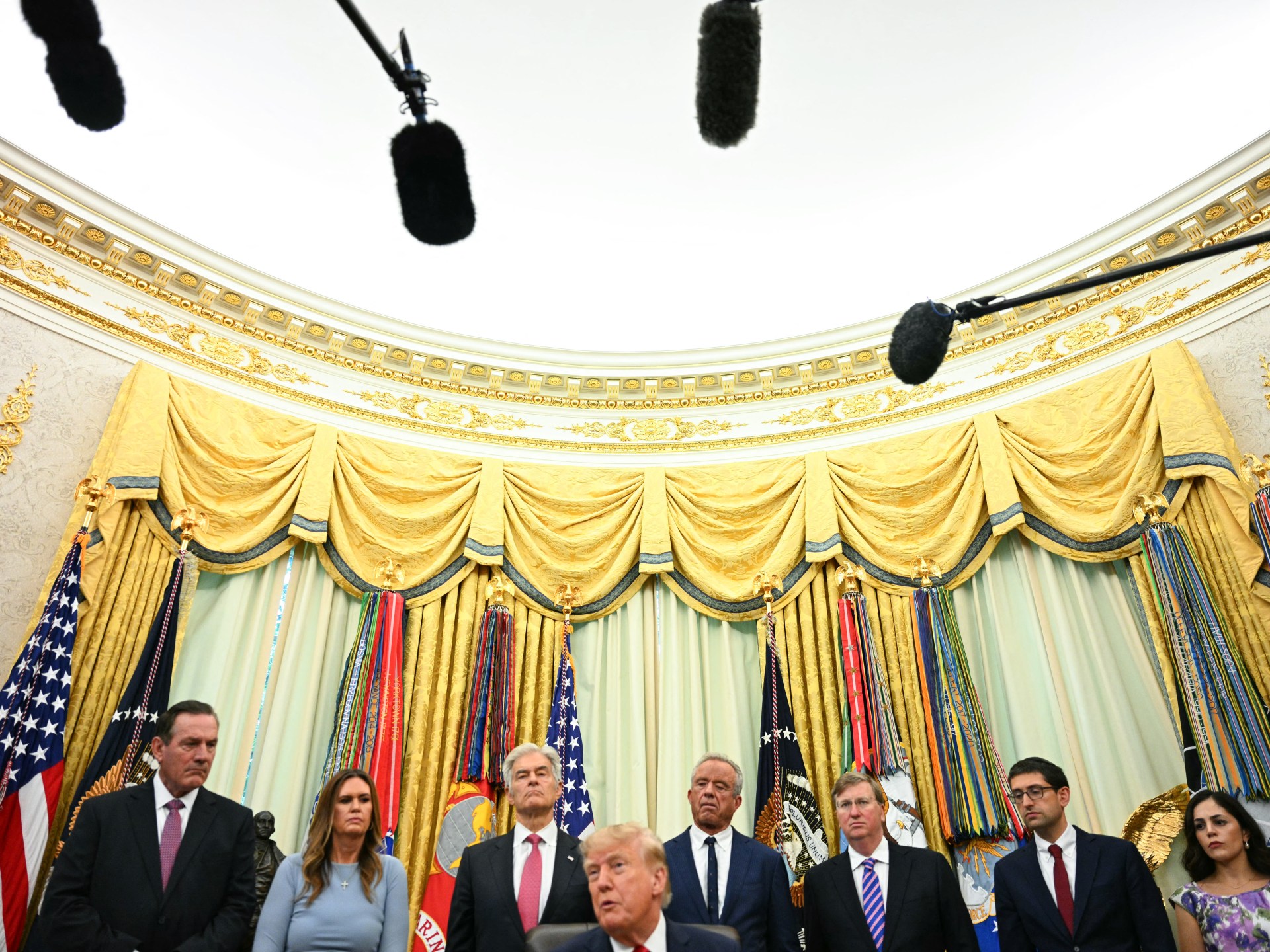
United States President Donald Trump has formally enacted an extensive package of punitive sanctions against the Russian Federation, marking a significant escalation in economic pressure intended to starve the Kremlin of revenue for its ongoing military campaign in Ukraine. The legislative and executive measures significantly widen the remit of existing restrictions, introducing stringent primary prohibitions and aggressive secondary sanctions designed to isolate financial institutions and corporate intermediaries across third-party jurisdictions that facilitate Russian trade.
At the core of the latest measures is an intensified focus on Russia's state-backed energy conglomerates, sovereign financing mechanisms, and specialized procurement networks supporting the defense-industrial base. The strategic architecture of the sanctions aims to degrade Moscow's fiscal capacity over the medium term, raising the sovereign cost of maintaining high-tempo combat operations along the Ukrainian front lines. By pairing economic coercion with explicit calls for diplomatic resolution, Washington seeks to generate leverage to draw Moscow into structured peace negotiations, challenging the Kremlin's calculus that it can outlast Western political resolve.
Global Trade & Economic Ripples
The implementation of these expanded sanctions has generated immediate reverberations across international commodity, maritime, and currency markets. Global energy traders moved quickly to price in elevated operational risk, with Brent crude and West Texas Intermediate experiencing heightened intraday volatility as market participants assessed potential disruptions to seaborne Russian crude flows.
Particular scrutiny has fallen on maritime transit corridors and the expansive network of unregulated vessels known as the shadow fleet. Enhanced enforcement protocols threaten to penalize non-compliant maritime insurers, ship registries, and bunkering operations, substantially increasing freight rates and insurance premiums across Baltic and Black Sea shipping routes. Furthermore, the curbs heighten uncertainties surrounding non-energy commodities, including refined petroleum products, specialized metallurgical inputs, and agricultural fertilizers where Russia remains an indispensable international supplier.
Financial institutions in intermediate trade hubs across Asia and the Middle East are recalibrating their risk exposure. Fearing secondary designations from the US Department of the Treasury, several commercial banks have halted correspondent processing for cross-border settlements involving Russian counterparties, accelerating regional initiatives toward local-currency clearing systems and alternative financial messaging infrastructure.
Related Intelligence: Government Renews Talks With Jamaat-i-Islami Over Disputed Petroleum Levy
International Reactions & Diplomatic Stances
The international response to Washington's regulatory offensive reflects entrenched geopolitical divisions. Kremlin officials swiftly condemned the sanctions as an illegitimate continuation of economic warfare, asserting that unilateral measures violate international law and will ultimately inflict counterproductive disruptions on Western consumers. Moscow indicated that it is formulating reciprocal and asymmetric countermeasures to defend its economic sovereignty.
Conversely, officials in Kyiv welcomed the aggressive stance, emphasizing that decisive curbs on Moscow's hydrocarbon revenues represent the most direct lever to curtail Russian combat operations. European Union capitals broadly signaled coordination with the US framework, though discussions persist regarding regulatory calibration to safeguard European industrial security and maintain alignment across the G7 sanctions coalition. Market analysts remain divided: while some view the tightening as a potent catalyst for diplomatic engagement, others warn that structural sanctions often harden adversarial positions and spur parallel, non-dollar trading networks beyond Western regulatory reach.
Strategic Outlook & Future Scenarios
The trajectory of the conflict now enters a volatile phase dictated by the speed and enforcement rigor of these sanctions. Over the coming quarters, the effectiveness of the package will hinge largely on the compliance of major sovereign purchasers in Asia, specifically India and China, who have absorbed substantial volumes of discounted Russian energy.
Should Washington enforce secondary penalties aggressively against foreign entities, diplomatic friction with non-aligned nations could intensify, testing the durability of international trade partnerships. Domestically, the Russian central bank faces compounding structural headwinds, including capital flight risks, high borrowing costs, and currency depreciation pressures. As diplomatic summits approach, the immediate outlook points to an intense period of posturing, with economic pressure serving as the vanguard of a high-stakes bid to dictate the terms of any eventual diplomatic settlement.
Join Our Official WhatsApp Channel
Receive live commodity alerts, policy changes, and commercial intelligence directly on WhatsApp.