
Catalan Far-Right Surge Reshapes Spanish Electoral Dynamics and European Stability
The ascendance of the anti-immigrant Catalan Alliance is disrupting Spain's political landscape, posing governance challenges for Madrid and stoking broader European concerns over regional stability and labor market integration.
Geopolitical & Core Developments
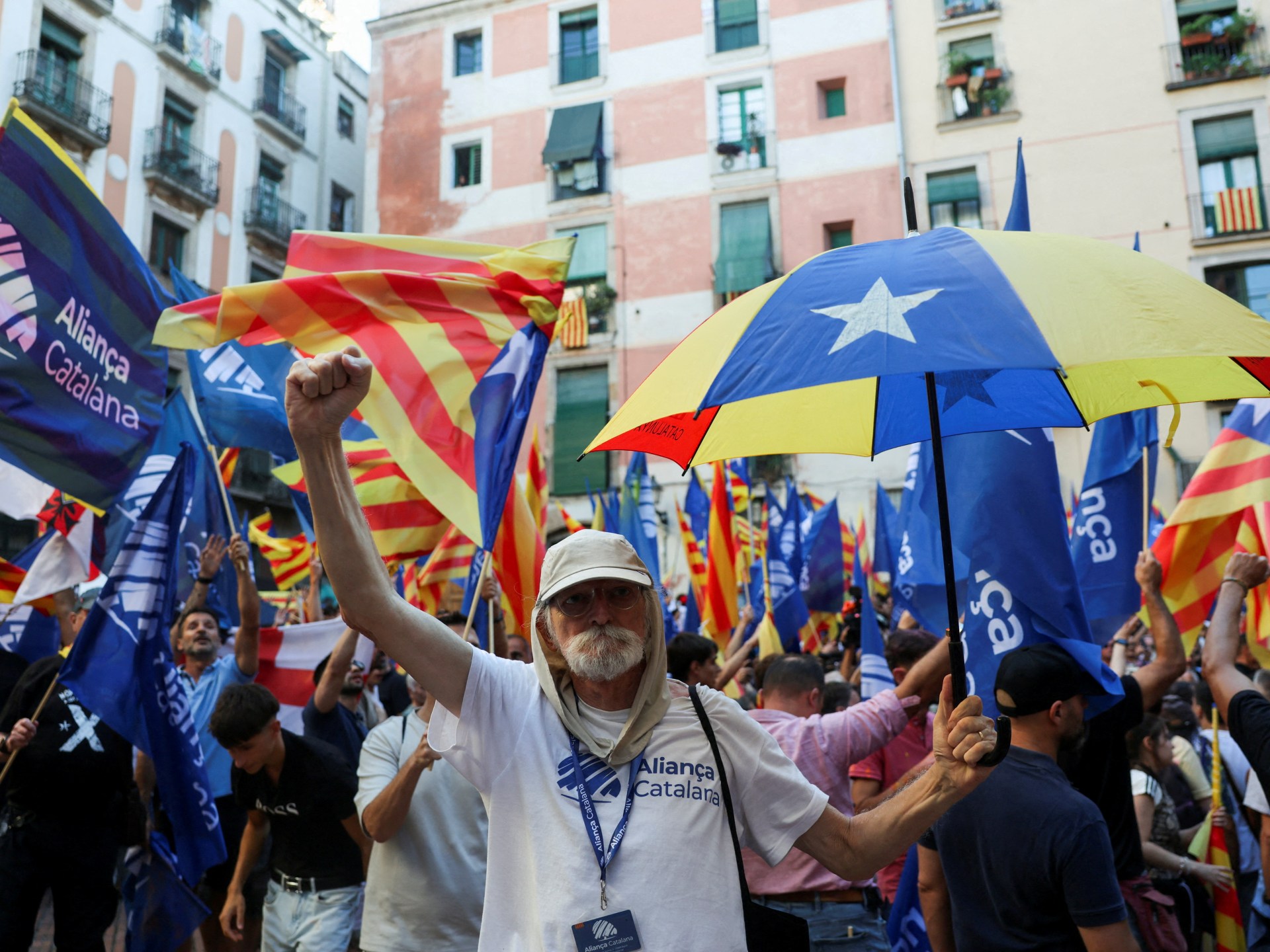
The political landscape of Spain's northeastern autonomous region of Catalonia is experiencing a sharp ideological realignment. The emergence and consolidation of Aliança Catalana (Catalan Alliance), an ultra-nationalist faction led by Ripoll Mayor Sílvia Orriols, has fundamentally altered the discourse surrounding regional independence. By merging hardline secessionism with strident anti-Muslim rhetoric, the faction has successfully mobilized voters disaffected by both traditional pro-independence parties and Madrid’s federal administration.
Historically, the Catalan independence movement anchored its narrative in civic nationalism, democratic self-determination, and progressive European alignment. However, prolonged institutional deadlocks, economic stagnation, and rapid demographic transformations have created fertile ground for nativist policies. With Spain navigating volatile parliamentary coalitions under Prime Minister Pedro Sánchez, the splintering of the Catalan vote carries direct federal consequences. As regional and national ballots approach, the normalization of xenophobic messaging threatens to undermine cross-community social cohesion while complicating the central government's efforts to maintain legislative majorities dependent on regional parliamentary blocs.
Global Trade & Economic Ripples
While predominantly framed as an internal socio-political dispute, the destabilization of Catalonia yields material consequences for Western European trade networks. Catalonia represents roughly 19 percent of Spain's gross domestic product and serves as a vital logistics gateway connecting the Iberian Peninsula to mainland Europe via Mediterranean transport corridors. Heightened social volatility and renewed regional friction introduce sovereign risk premiums, directly impacting yields on Spanish government bonds (Bonos) and municipal debt instruments.
Furthermore, the region's agricultural, textile, and logistics sectors rely heavily on migrant labor, particularly from North African and Middle Eastern nations. Hardline immigration stances advocated by the emergent right threaten labor market supply chains across Catalonia's export-driven industrial belts. Prolonged policy uncertainty risks cooling foreign direct investment into the Port of Barcelona and regional technological hubs, prompting multinational enterprises to reassess capital deployment across Southern Europe amid rising political risk factors.
Related Intelligence: Middle Powers Forge Strategic Defense Axis Across Middle East and Asia
International Reactions & Diplomatic Stances
International monitoring organizations and European Union authorities have voiced mounting concern over the proliferation of xenophobic discourse across member states. The United Nations Committee on the Elimination of Racial Discrimination has consistently warned against political platforms that institutionalize Islamophobia or marginalize religious minorities, urging Madrid to enforce robust anti-discrimination frameworks.
Within Brussels, diplomats view the phenomenon through the lens of wider European fragmentation. Following electoral gains by right-wing populist parties in France, Germany, and the Netherlands, the Catalan trajectory underscores a continent-wide trend where local cultural anxieties coalesce with fiscal grievances. Meanwhile, North African diplomatic missions, notably Morocco—a pivotal partner in European border management and maritime security—closely monitor the rhetoric, as deteriorating diplomatic relations could impair bilateral counter-terrorism cooperation and bilateral Mediterranean trade agreements.
Strategic Outlook & Future Scenarios
The strategic outlook hinges on whether mainstream political entities choose to isolate or accommodate these emerging political currents. Should conventional separatist parties adopt more conservative migration platforms to stem voter attrition, the entire ideological spectrum in northeastern Spain will shift rightward, diminishing prospects for normalized dialogue with Madrid.
In the medium term, sustained municipal gains by nativist factions will test the structural resiliency of Spain's decentralized constitutional model. As economic growth across the eurozone moderates and immigration policies become increasingly securitized, Catalonia stands as a bellwether for European regional governance. Observers anticipate intensified scrutiny on regional policing, civil liberties, and European integration policies, with forthcoming electoral cycles determining whether Catalonia remains a stable commercial corridor or reverts to an epicenter of territorial and cultural fracture.
Join Our Official WhatsApp Channel
Receive live commodity alerts, policy changes, and commercial intelligence directly on WhatsApp.