
European Political Shift Toward Anti-Muslim Rhetoric Strains Regional Alliances
Mainstream European political institutions increasingly embrace anti-Muslim rhetoric, threatening diplomatic stability and economic partnerships with key energy-producing nations in the Middle East and North Africa.
Geopolitical & Core Developments
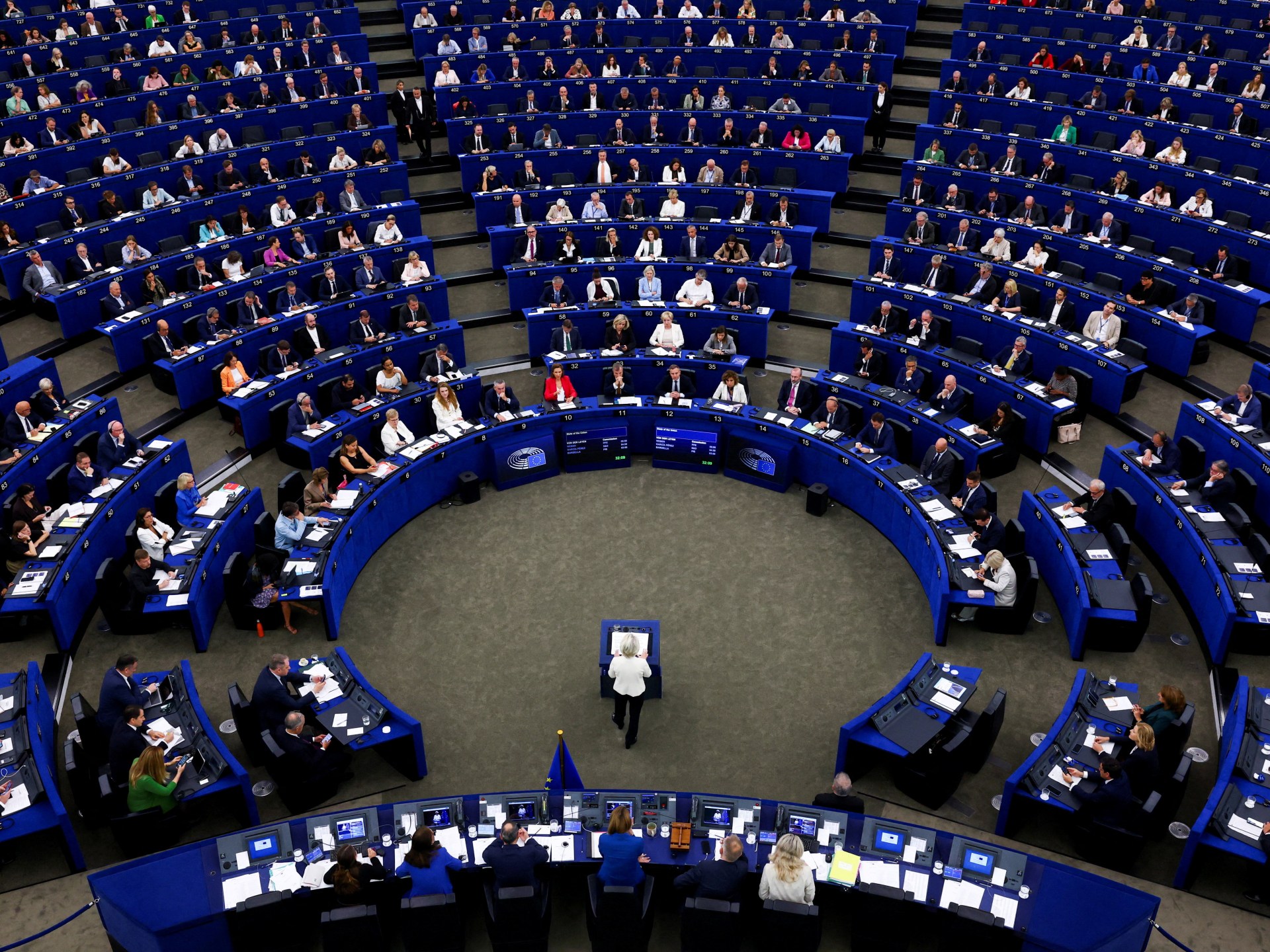
A pivotal resolution passed in the European Parliament has illuminated a marked ideological transition within the European Union's mainstream political apparatus. Analysts observe that political center-right and center-left coalitions, contending with stagnant domestic growth and mounting internal political pressure, are increasingly co-opting rhetoric traditionally restricted to far-right nationalist blocs. Rather than treating xenophobic narratives as fringe phenomena, major European legislative initiatives and domestic policy discussions are systematically incorporating anti-Muslim framing under the guise of security, integration, and border defense.
This shift arrives at a precarious geopolitical moment. The European Union remains deeply entangled in navigating the broader repercussions of the Russia-Ukraine war, lingering inflationary pressures, and persistent structural challenges within its social safety frameworks. Observers note that mainstream politicians are deflecting broader systemic vulnerabilities toward minority demographics, risking institutional alienation within Europe's significant Muslim populations and precipitating friction with external diplomatic partners.
[Global Trade](/news/us-midterm-elections-geopolitical-impact-global-trade) & Economic Ripples
The hardening of political discourse within Brussels carries direct ramifications for international commerce, particularly across strategic energy markets and supply routes. Following the European pivot away from Russian hydrocarbons, member states have cultivated vital liquefied natural gas (LNG) and crude contracts with Gulf Cooperation Council (GCC) states and North African producers, notably Qatar, Algeria, and Egypt.
Heightened social tensions and legislative hostility threaten to complicate ongoing sovereign wealth fund allocations and bilateral free-trade discussions. Institutional friction could potentially lead to delays in major intercontinental infrastructure projects, such as proposed Mediterranean green hydrogen corridors and cross-border subsea power cables. Furthermore, multinational corporations operating across the Middle East face heightened public scrutiny and boycott risks if perceived as complicit in supporting political blocs that sponsor discriminatory domestic legislation.
Related Intelligence: Government Raises National Savings Profit Rates Across Key Welfare Schemes
International Reactions & Diplomatic Stances
Multilateral organizations and non-governmental bodies have raised serious concerns regarding Europe's legal and institutional trajectory. Representatives from the United Nations Human Rights Council have consistently warned against the normalization of xenophobia in European legislative processes, emphasizing that state-level policy must uphold fundamental human rights standards and anti-discrimination treaties.
Diplomatic channels within the Organisation of Islamic Cooperation (OIC) have signaled dissatisfaction, with several member states issuing formal communications condemning the broader legislative trend. Market analysts and commercial chambers have warned European authorities that prioritizing short-term electoral positioning over multilateral stability risks damaging European commercial access to rapidly expanding consumer markets across Asia, the Middle East, and Sub-Saharan Africa.
Strategic Outlook & Future Scenarios
Looking forward, the institutionalization of anti-Muslim rhetoric within European legislative mechanisms is anticipated to exacerbate friction ahead of upcoming European Council summits and strategic partnership meetings. Should right-wing populism continue to dictate the EU's political agenda, commercial and foreign policy engagements will face protracted domestic and international backlash.
Key areas to monitor include the conditionality attached to EU foreign aid packages, bilateral security pacts with North African transit nations, and sovereign investment mandates from Gulf-based sovereign funds. In the absence of a concerted effort by European leadership to de-escalate domestic rhetoric and reaffirm human rights commitments, the continent risks diplomatic estrangement, jeopardizing vital commercial, maritime, and energy interests across key geopolitical corridors.
Join Our Official WhatsApp Channel
Receive live commodity alerts, policy changes, and commercial intelligence directly on WhatsApp.