
Canada Weighs Unthinkable Contingencies Amid US Annexation Threats
Escalating political rhetoric from Washington has forced Ottawa to seriously evaluate extreme threats to national sovereignty and bilateral stability.
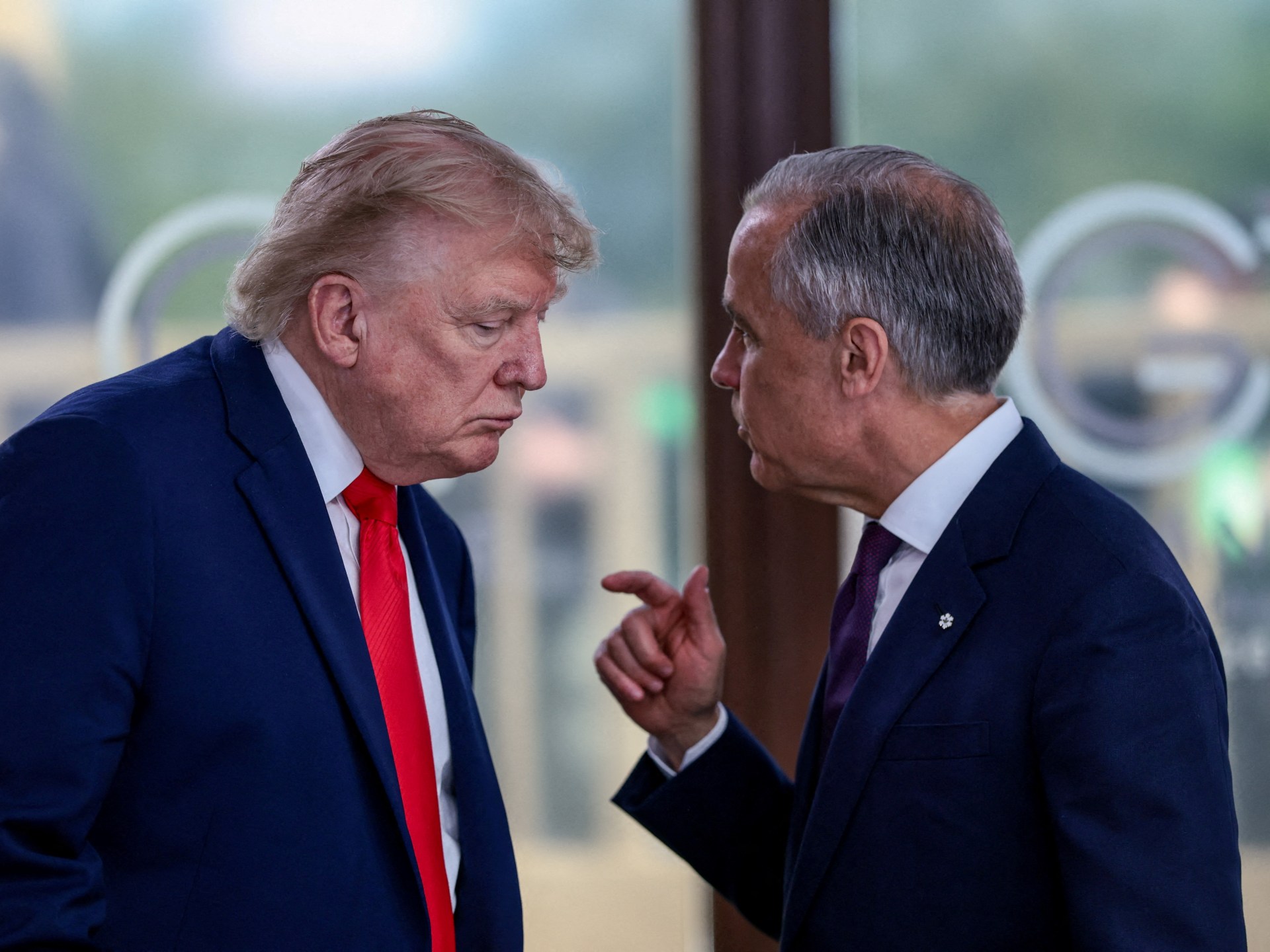
Geopolitical & Core Developments
The once unthinkable prospect of strained sovereign relations between Ottawa and Washington has entered the realm of strategic calculus. Following unprecedented annexation threats emanating from political circles in the United States, senior Canadian officials, led by influential voices such as Mark Carney, have initiated comprehensive reviews of extreme geopolitical risks. For decades, the world's longest undefended border symbolized an unshakeable alliance rooted in shared democratic values, integrated defense mechanisms under NORAD, and deep economic interdependence. However, shifting political currents in Washington have upended foundational assumptions of continental security.
State actors across the international community are closely monitoring this diplomatic freeze. The emergence of aggressive territorial and economic rhetoric from a dominant superpower against its closest neighbor establishes a dangerous precedent for international law and sovereignty. While military conflict remains a remote tail-risk scenario, defense planners in Ottawa are systematically stress-testing national resilience, intelligence-sharing frameworks, and territorial defense postures to safeguard Canadian autonomy against unprecedented diplomatic and economic coercion.
Global Trade & Economic Ripples
The deterioration of bilateral relations between the United States and Canada carries profound implications for global commodity markets, particularly across the North American energy corridor. Canada remains the single largest foreign supplier of crude oil, natural gas, and critical minerals to the United States. Any structural disruption to cross-border pipelines, rail networks, or regulatory frameworks would instantly shock global energy prices and trigger severe bottlenecks in manufacturing supply chains.
Furthermore, currency markets have begun pricing in the systemic risk. The Canadian dollar faces heightened downward pressure against the greenback as foreign investors reassess the stability of North American assets. Global shipping lanes, automotive manufacturing components that cross the border multiple times during production, and agricultural commodity flows are particularly vulnerable to sudden tariff impositions or border slowdowns. International traders are actively hedging against potential trade blockades, driving up logistical costs across industrial sectors.
International Reactions & Diplomatic Stances
Global capitals and multilateral bodies have responded with deep apprehension to the escalating rhetoric between two G7 nations. European Union officials have expressed solidarity with Ottawa, emphasizing the inviolability of sovereign borders and the necessity of rules-based international trade. Meanwhile, representatives from the United Nations have issued subtle reminders regarding the UN Charter's strict prohibitions on the threat or use of force against the territorial integrity of any member state.
Market analysts and geopolitical risk consultancies have upgraded Canada from a low-risk jurisdiction to an area requiring active strategic monitoring. Rating agencies are evaluating whether prolonged political friction could eventually impair long-term sovereign credit profiles, noting that predictability and institutional stability are vital pillars of foreign direct investment into the North American market.
Strategic Outlook & Future Scenarios
As both nations navigate this turbulent diplomatic phase, the immediate trajectory points toward sustained bilateral friction rather than active military engagement. However, the psychological threshold has been irrevocably altered. Future diplomatic summits, including upcoming North American leaders' summits, will likely serve as high-stakes arenas for damage control or formal entrenchment of positions.
Escalation points to watch include potential retaliatory trade tariffs, regulatory crackdowns on cross-border energy grids, and increased defense spending by Ottawa to project deterrence across the Arctic and southern borders. Global businesses heavily reliant on the United States-Mexico-Canada Agreement are already formulating contingency plans to diversify operations away from North American exposure, ensuring they remain insulated from ongoing geopolitical unpredictability.
Join Our Official WhatsApp Channel
Receive live commodity alerts, policy changes, and commercial intelligence directly on WhatsApp.