
US and China Forge Strategic Economic Truce Following High-Stakes Xi-Trump Summit
President Trump and Chinese leader Xi Jinping concluded a high-stakes state visit with commitments to sustained dialogue on critical technology and trade frameworks, easing near-term market anxieties.
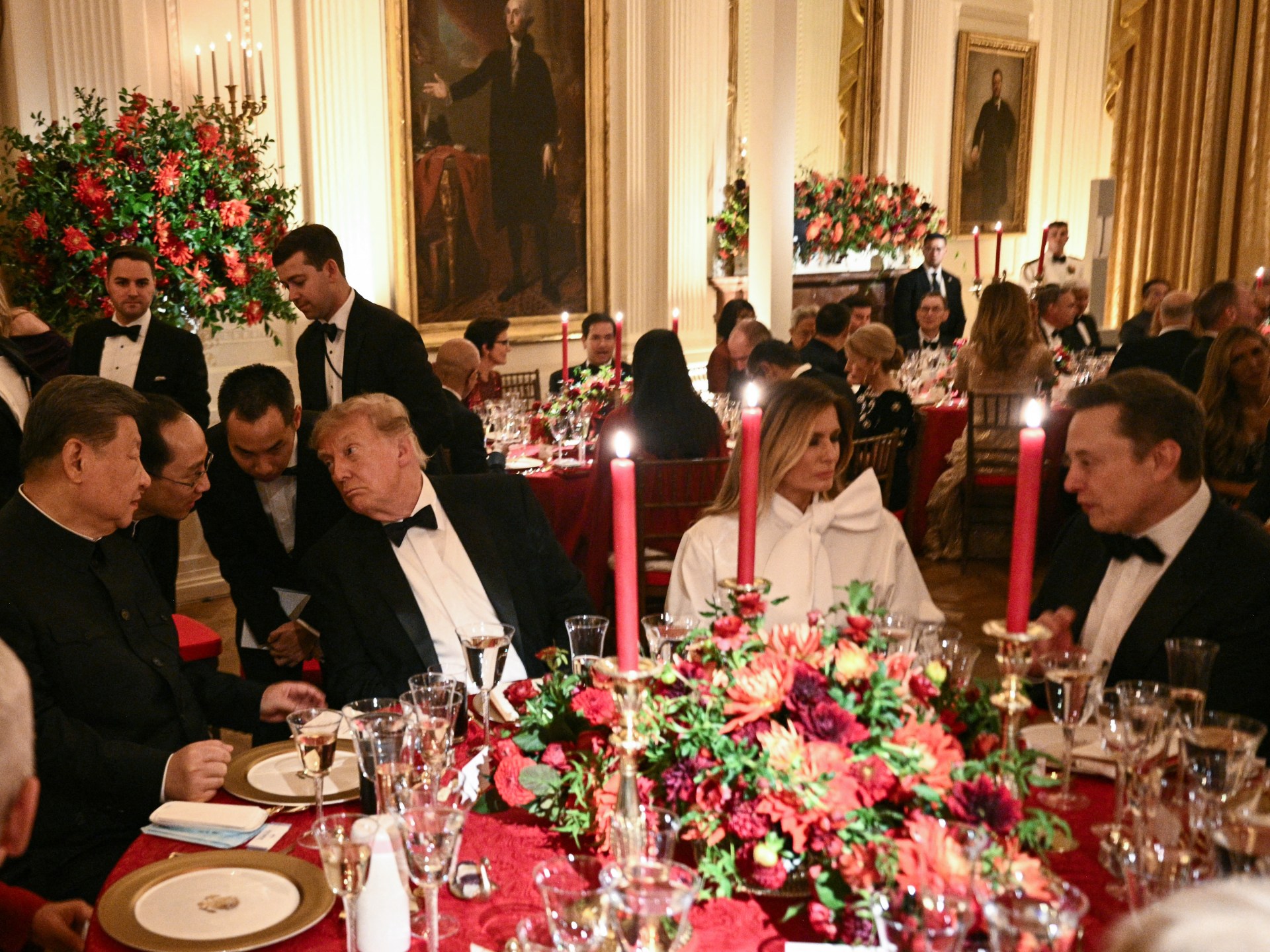
Geopolitical & Core Developments
In a diplomatic pivot that has immediately reverberated across capitals worldwide, Washington and Beijing have stepped back from immediate escalations following a high-stakes state visit. US President Donald Trump hailed discussions with China’s President Xi Jinping as 'very productive,' signaling a temporary stabilization in the world's most critical bilateral relationship. The high-level talks, convened after months of simmering technological restrictions and retaliatory export controls, focused primarily on framing a sustainable diplomatic architecture to manage strategic competition.
At the center of the diplomatic breakthrough is an agreement to establish formal, continuous working groups dedicated to artificial intelligence governance and technology transfer licensing. For months, these domains have served as primary battlegrounds for geopolitical supremacy. While structural disagreements over intellectual property protection, semiconductor manufacturing, and national security safeguards persist, the decision to institutionalize bilateral communication channels marks a notable de-escalation from the brink of a deeper trade freeze. State actors in both nations emphasized the necessity of preventing strategic friction from spiraling into direct economic conflict, setting the stage for more granular bureaucratic negotiations in the coming quarters.
Global Trade & Economic Ripples
International commodity markets and global supply chains reacted swiftly to the diplomatic thaw. Major industrial metals, agricultural futures, and energy benchmarks experienced a wave of cautious optimism, driven by the prospect of sustained trade flows between the world's two largest economies. For months, uncertainty surrounding export licensing and tariff trajectories had injected immense volatility into global shipping lanes and manufacturing input costs.
Container shipping indices stabilized as logistics firms anticipated a steady continuation of transpacific trade without imminent tariff shocks. However, commercial analysts at major financial houses advise continued prudence. Supply chain managers note that while the summit successfully averted immediate protectionist hurdles, the underlying framework governing high-tech commerce remains tightly restricted. Corporations heavily reliant on dual-use technologies, advanced semiconductors, and critical minerals are maintaining diversified sourcing strategies, recognizing that regulatory compliance burdens regarding technology transfers will remain stringent regardless of high-level political accord.
International Reactions & Diplomatic Stances
Global capitals and multilateral institutions have responded to the Xi-Trump summit with a mixture of cautious relief and pragmatic skepticism. Representatives from the United Nations and the World Trade Organization welcomed the resumption of direct dialogue, noting that stable economic relations between Washington and Beijing are indispensable for post-pandemic global economic recovery and financial stability.
European Union trade officials echoed these sentiments, expressing hope that eased tensions between the superpowers might foster a more predictable multilateral trading system. Meanwhile, emerging market economies—particularly across Southeast Asia and Latin America—expressed relief that the immediate threat of bifurcated supply chains has abated. Nevertheless, market analysts and credit rating agencies warn that foundational geopolitical risks have merely been managed, not eliminated. Institutional investors continue to monitor upcoming regulatory filings and enforcement actions regarding technology licensing before committing to long-term capital expenditure cycles in export-heavy sectors.
Strategic Outlook & Future Scenarios
Looking ahead, the trajectory of US-China relations will depend heavily on the execution of the newly announced working groups. The upcoming ministerial-level consultations on artificial intelligence standards and licensing frameworks will serve as the first major litmus test of the summit's sincerity and effectiveness.
Geopolitical strategists outline two primary scenarios for the medium term. A positive trajectory would involve incremental trade accommodations, predictable enforcement of technology export controls, and the avoidance of new tariff barriers ahead of upcoming international economic summits. Conversely, a negative scenario remains plausible if bureaucratic inertia or domestic political pressures in either nation derail the delicate consensus, triggering a return to aggressive trade restrictions. For global businesses and commodity traders, navigating this complex landscape requires maintaining operational agility while closely tracking regulatory developments emerging from both Washington and Beijing.
Join Our Official WhatsApp Channel
Receive live commodity alerts, policy changes, and commercial intelligence directly on WhatsApp.