
Canada Deepens Strategic European Union Ties Amid Persisting US Trade Tensions
Canada and the European Union are forging unprecedented economic and regulatory ties as Ottawa seeks to diversify trade away from United States protectionism and secure vital transatlantic supply chains.
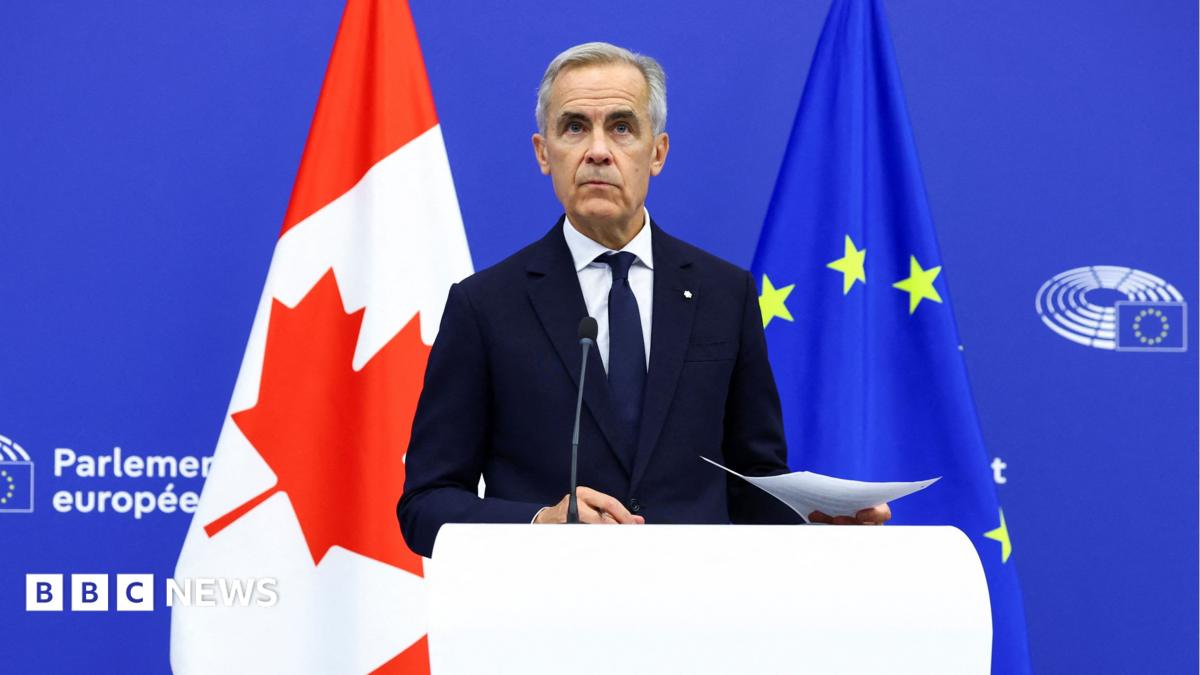
Geopolitical & Core Developments
Persistent trade frictions and rising protectionist sentiment in Washington have catalyzed an unprecedented diplomatic and economic realignment between Canada and the European Union. While formal Canadian accession to the European bloc remains a legal impossibility under Article 49 of the Treaty on European Union—which confines membership to sovereign European nations—the functional integration between Ottawa and Brussels has reached historic depths.
Confronted by recurrent tariff threats, disputes over steel and lumber, and expansive industrial subsidies under United States economic policies, Canadian policymakers have aggressively prioritized trade diversification. Transatlantic diplomacy has accelerated rapidly since the provisional application of the Comprehensive Economic and Trade Agreement (CETA) in 2017. Recent bilateral summits have expanded cooperation into strategic domains, including defense research, space programs, and Canada's accession to Horizon Europe, the European Union's flagship scientific funding mechanism. Rather than a formal political union, analysts describe this trajectory as a quasi-integration model, engineered to insulate both jurisdictions from unilateral trade pressures originating from both the United States and China.
Global Trade & Economic Ripples
The deepening Ottawa-Brussels corridor carries profound implications for global commodities and industrial supply chains. Historically dependent on the United States for over 75 percent of its merchandise exports, Canada is systematically positioning itself as the European Union's premier non-authoritarian supplier of critical raw materials. Under the Canada-EU Strategic Partnership on Raw Materials, bilateral trade in essential battery metals—such as nickel, cobalt, graphite, and lithium—is expanding, directly supporting European automotive manufacturers navigating strict electric vehicle mandates.
Agricultural markets are simultaneously adjusting. Bilateral agricultural and agri-food trade under CETA has expanded significantly, providing European buyers with stable supplies of Canadian high-protein wheat, pulses, and non-genetically modified canola amid disruptions caused by the war in Ukraine and Mediterranean climate volatility. In the energy sector, while physical infrastructure constraints have limited immediate liquefied natural gas (LNG) deliveries from Canada's eastern seaboard, bilateral commitments to clean hydrogen corridors between Atlantic Canadian ports and northern European industrial hubs are redirecting long-term infrastructure capital. Furthermore, heightened transatlantic regulatory alignment is curbing non-tariff barriers, offering international freight operators predictable regulatory frameworks across the North Atlantic route.
Related Intelligence: IHC Bars Political Road Closures Citing Public Rights and Economic Disruption
International Reactions & Diplomatic Stances
Diplomatic reactions reflect both strategic enthusiasm in Europe and measured observation in Washington. European Commission officials have repeatedly praised Canada as Europe's "most European like-minded partner," emphasizing shared commitments to multilateralism, rules-based trade, and decarbonization. Canadian trade officials emphasize that transatlantic integration does not represent an abandonment of North American commerce, but rather an indispensable hedge against shifting domestic priorities in the United States.
In Washington, the United States Trade Representative (USTR) and congressional trade committees maintain a vigilant stance. While the United States officially welcomes transatlantic cooperation among democratic allies, trade strategists note rising sensitivity in Washington regarding Canada's regulatory convergence with the European Union, particularly concerning digital services taxes, carbon border adjustments, and supply chain rules that diverge from North American standards. Meanwhile, multilateral bodies such as the World Trade Organization (WTO) view the Canada-EU framework as a resilient blueprint for modern plurilateral cooperation in an increasingly fragmented global trading system.
Strategic Outlook & Future Scenarios
The trajectory of Canada-EU relations will be tested by critical upcoming milestones and institutional hurdles. Domestically within the European Union, full ratification of CETA remains pending in several national parliaments, leaving key investment protection mechanisms in legal limbo despite robust provisional trade growth.
Geopolitically, the scheduled 2026 joint review of the United States-Mexico-Canada Agreement (USMCA) will serve as a decisive inflection point. Should Washington pursue more aggressive tariff regimes or protectionist provisions, Ottawa will likely accelerate its institutional binding to European markets, potentially pursuing formal defense industrial pacts and reciprocal carbon accounting systems. Over the medium term, Canada and the European Union are projected to establish a pioneering transatlantic regulatory zone, setting binding benchmarks for critical mineral traceability, green steel production, and artificial intelligence governance.
Join Our Official WhatsApp Channel
Receive live commodity alerts, policy changes, and commercial intelligence directly on WhatsApp.