
IHC Bars Political Road Closures Citing Public Rights and Economic Disruption
The Islamabad High Court has barred political parties from blocking public highways, establishing vital legal safeguards for nationwide logistics, retail trade, and citizen mobility across Pakistan's federal capital and transit corridors.
The Core Development
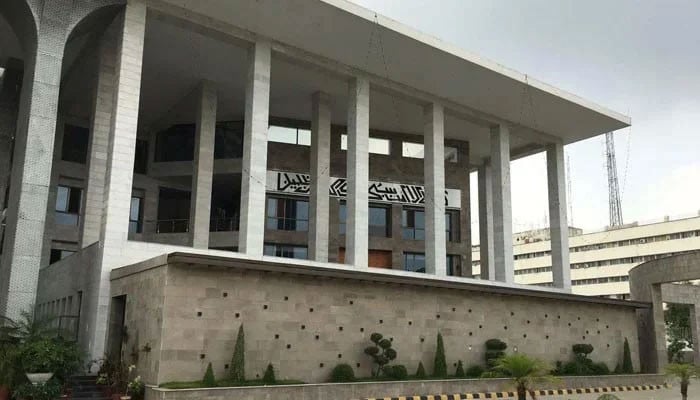
In a consequential judicial intervention addressing civil order and public rights, the Islamabad High Court (IHC) has ruled that no political entity holds the constitutional prerogative to occupy public highways or paralyze urban transport networks under the guise of political protest. Presiding over petitions concerning long march demonstrations organized by the Pakistan Tehreek-e-Insaf (PTI), the court delineated the explicit legal boundaries governing democratic assembly. The bench highlighted that while the freedom of assembly and association under Articles 16 and 17 of the Constitution of Pakistan are integral to democratic expression, they are explicitly qualified by reasonable legal restrictions in the interest of public order. Crucially, the bench noted that these freedoms cannot be exercised at the cost of Article 9 (Security of Person) and Article 15 (Freedom of Movement), which guarantee the unrestricted movement of citizens. The court instructed the federal government and municipal authorities to formulate rigorous administrative protocols to restrict future political rallies to designated public arenas, such as the Parade Ground, rather than allowing spontaneous or protracted sit-ins on major inter-city arteries including the Grand Trunk Road and the federal motorway corridors.
Commercial & Economic Implications
The judicial directive delivers significant structural relief to Pakistan's fragile retail, wholesale, and freight logistics sectors. Protracted political blockades and the recurring administrative practice of placing shipping containers across inter-provincial arteries impose staggering losses on the national exchequer and the private sector. Historical supply chain data indicates that comprehensive road closures between the federal capital, northern hubs, and the commercial heartland of Punjab cost the domestic distribution network an estimated PKR 25 billion to PKR 35 billion each day in lost output, stranded inventory, and supply chain delays. Key freight channels connecting the industrial hubs of Gujranwala, Sialkot, and Faisalabad to the federal territory and onward to Khyber Pakhtunkhwa face acute operational bottlenecks during such episodes. Perishable agricultural goods moving into the Islamabad-Rawalpindi wholesale markets—such as the I-11 Sabzi Mandi—suffer post-harvest wastage rates exceeding 20% when transport fleets are stranded on motorways. This immediate supply contraction invariably triggers localized inflationary spikes in fresh produce, pulses, and grain, burdening consumers while fleet operators face heavy detention surcharges and inflated diesel expenses.
Related Intelligence: Trump Accelerates AI Push to Counter China Amid Market and Political Friction
Stakeholder Perspectives & Market Reactions
Business chambers and logistics organizations have welcomed the court's definitive stance. The Federation of Pakistan Chambers of Commerce and Industry (FPCCI) and the Islamabad Chamber of Commerce and Industry (ICCI) issued statements underscoring that recurring capital lockouts undermine investor sentiment, delay export consignments headed toward Karachi ports, and disrupt business continuity. Representatives from the All Pakistan Transporters Association noted that cross-country cargo haulers frequently bear the direct financial brunt of roadblocks through physical vehicle damage, increased cargo insurance premiums, and demurrage costs. Conversely, political organizers have voiced reservations regarding enforcement equity, arguing that the district administration often initiates road blockages preemptively using freight containers, thereby causing severe public disruption before demonstrations even reach metropolitan boundaries. Legal commentators emphasized that the judgment establishes a balanced legal equilibrium, making it impermissible for either political factions or executive authorities to unilaterally immobilize public infrastructure without prior judicial sanction.
Forward Outlook & Key Watchpoints
The practical efficacy of the IHC ruling will hinge on executive compliance and the standard operating procedures formulated by the Ministry of Interior and local police administrations. Moving forward, observers are monitoring whether district magistrates will abandon the widespread practice of preemptive container blockades in favor of targeted intelligence-led traffic management and regulated assembly zones. Key watchpoints include the upcoming legislative discussions on the Peaceful Assembly and Public Order regulatory frameworks, designed to formalize clear timelines and geographic boundaries for public gatherings. Furthermore, the commercial community will scrutinize whether the state implements enforceable compensation mechanisms or expedited bypass corridors for commercial cargo during anticipated political friction. Should administrative bodies enforce this judicial mandate rigorously, it will provide much-needed predictability for domestic supply chains and insulate essential commerce from cyclical political turbulence.
Join Our Official WhatsApp Channel
Receive live commodity alerts, policy changes, and commercial intelligence directly on WhatsApp.