
Canada Seeks Strategic EU Alliance to Counter Impending US Tariff Threats
Canada is pursuing an expanded strategic and commercial partnership with the European Union to insulate key industries from incoming US protectionist tariffs and secure resilient transatlantic supply networks.
Geopolitical & Core Developments
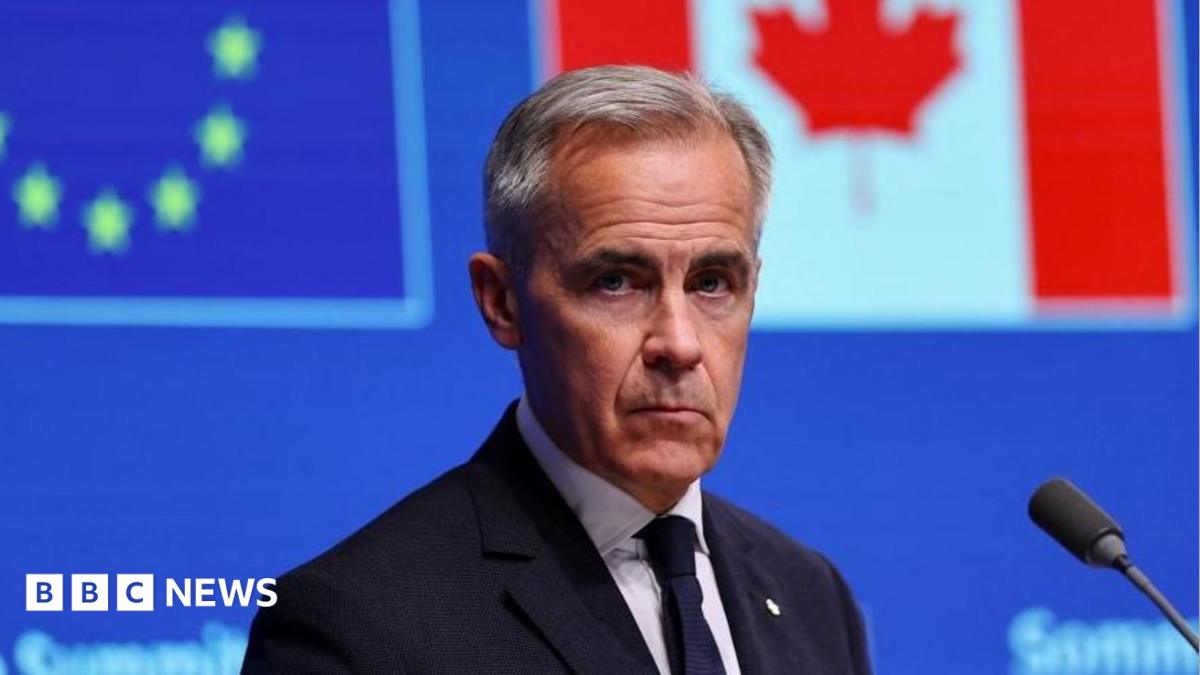
In an assertive diplomatic maneuver aimed at counterbalancing anticipated trade shocks from Washington, Canadian leadership and senior economic envoys converged on Strasbourg this week to propose a reinforced transatlantic coalition with the European Union. Catalyzed by the threat of sweeping import tariffs and retaliatory trade measures under Donald Trump's prospective economic doctrine, Ottawa is aggressively pivoting toward like-minded multilateral partners to safeguard its industrial base.
The discussions at the European Parliament reflect growing anxiety across export-dependent economies facing the prospect of universal baseline tariffs of 10 to 20 percent on global imports, alongside punitive 25 percent duties targeting North American neighbors. Canadian policymakers, guided by prominent economic architects including former central banker Mark Carney, are articulating a strategic framework designed to institutionalize regulatory convergence, eliminate lingering non-tariff barriers, and build mutual resilience against unilateral economic coercion. The Strasbourg summit signals an urgent recognition that bilateral reliance on the United States-Mexico-Canada Agreement (USMCA/CUSMA) represents an acute structural vulnerability ahead of the pact's scheduled 2026 joint review.
Global Trade & Economic Ripples
The transatlantic outreach carries profound implications for international commodity pricing, maritime shipping corridors, and supply chain logistics. With Canada holding vast reserves of critical raw materials—including lithium, nickel, cobalt, and rare earth elements essential for Europe's industrial transition—Ottawa is actively positioning itself as an alternative to both Chinese processing dominance and American trade volatility. Deepening bilateral trade under the Comprehensive Economic and Trade Agreement (CETA) provides European manufacturers with secure, rule-based sourcing channels.
Simultaneously, energy and agricultural trade flows are undergoing strategic realignment. Transatlantic shipments of Canadian liquefied natural gas (LNG), crude oil derivatives, and fertilizer components such as potash are gaining prominence as European buyers seek long-term supply stability. However, currency markets are reflecting broader macroeconomic friction; the Canadian dollar and the euro have experienced intermittent downward pressure against a resilient US dollar, driven by capital fleeing potential tariff battlegrounds. Shippers and bulk commodity traders are factoring in elevated compliance costs, regional rerouting, and potential freight rate volatility as bilateral pacts emerge to counteract transatlantic trade disruptions.
Related Intelligence: Punjab Dismisses School Lockdown Rumours Amid Escalating Air Quality Crisis
International Reactions & Diplomatic Stances
Reaction across European capitals has been broadly receptive, with European Commission trade officials emphasizing the necessity of open, rules-governed commerce amid escalating global protectionism. European lawmakers in Strasbourg endorsed the push for deeper regulatory cooperation, noting that middle powers and democratic trading blocs must construct shared economic buffers when traditional multilateral enforcement mechanisms, such as the World Trade Organization (WTO), remain constrained.
Conversely, trade observers in Washington have warned that external trade alignments will not shield Ottawa or European partners from secondary tariff impacts or rigorous enforcement of rules-of-origin standards. Market analysts across London and Frankfurt observe that while Canada's diplomatic overtures demonstrate strategic foresight, replacing the sheer volume of US market integration remains an immense logistical hurdle. Financial institutions note that over 75 percent of Canadian exports currently flow south, meaning European diversification can mitigate, but not wholly absorb, aggressive unilateral trade penalties.
Strategic Outlook & Future Scenarios
Moving forward, the durability of this emerging transatlantic bloc will depend on the speed with which Ottawa and Brussels can operationalize binding investment guarantees and supply chain compacts. Working groups established in Strasbourg are tasked with finalizing actionable protocols ahead of upcoming G7 summits and bilateral economic forums, with particular focus on sovereign wealth capital allocation, clean technology subsidies, and transatlantic defense industrial integration.
In the primary scenario, Canada and the EU will formalize preferential bilateral corridors for critical minerals and zero-emission industrial inputs, mitigating baseline tariff damages through diversified export quotas. Alternatively, should Washington enact aggressive universal tariffs and demand strict compliance from its trade partners, Ottawa could face intensified pressure to reconcile its transatlantic commitments with its integrated North American supply obligations. The Strasbourg initiative demonstrates that the global trading system is rapidly fracturing into defensive regional alignments, forcing middle powers to proactively insulate their commercial interests.
Join Our Official WhatsApp Channel
Receive live commodity alerts, policy changes, and commercial intelligence directly on WhatsApp.