
Brazilian Political Standoff Escalates as Lula Demands Bilateral Disclosure of Records
Brazilian President Luiz Inacio Lula da Silva has challenged former president Jair Bolsonaro to lift secrecy on personal financial records, escalating domestic political tensions with broader implications for Latin American market stability.
Geopolitical & Core Developments
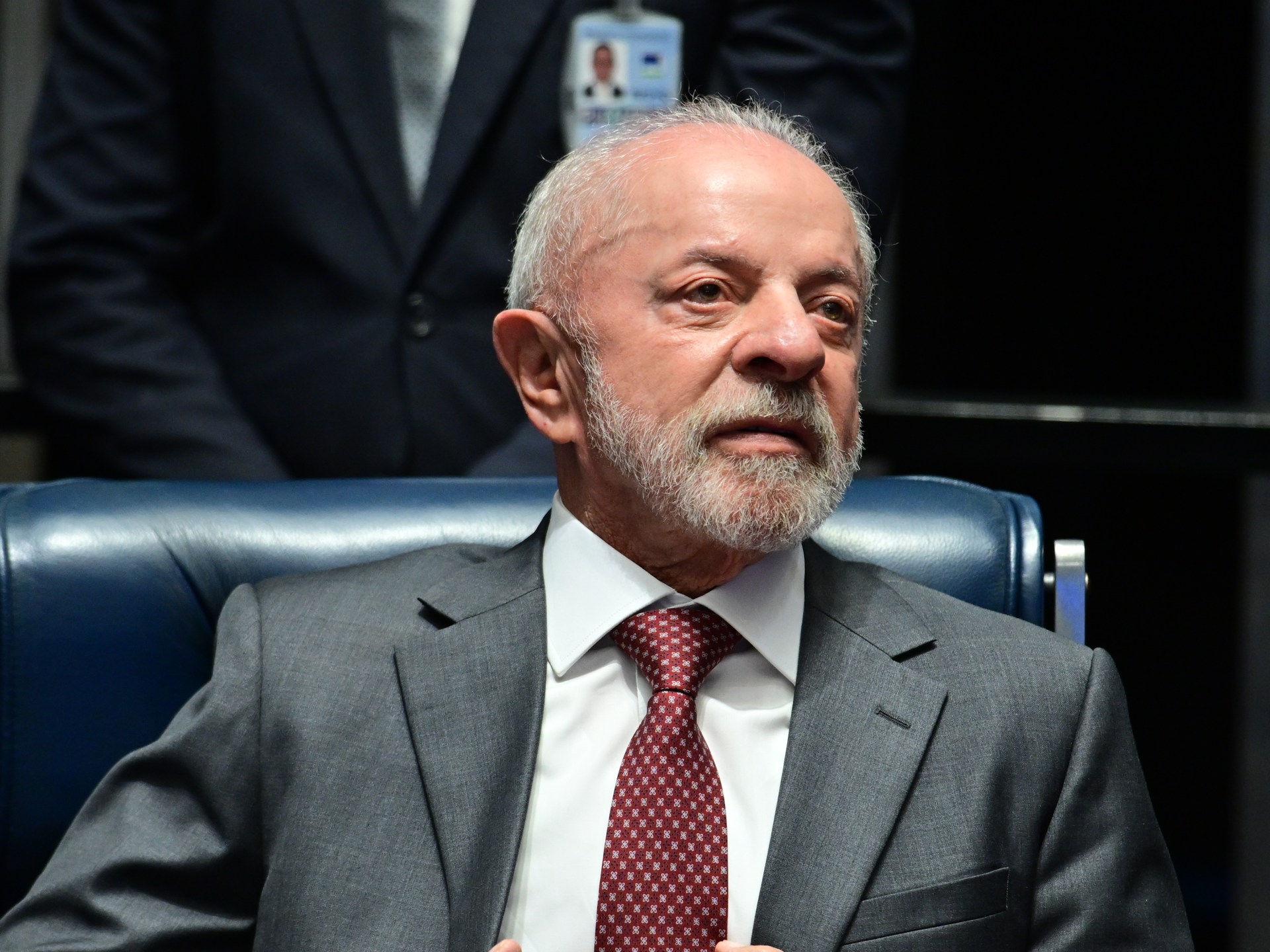
Brazil’s domestic political landscape entered a sharper phase of contestation following an assertive public challenge issued by left-wing President Luiz Inacio Lula da Silva against his conservative predecessor, Jair Bolsonaro. Addressing ongoing public controversies and judicial investigations surrounding both political figures, Lula stated that he is prepared to lift all legal protections on his bank, tax, and telecommunications records, contingent upon Bolsonaro submitting to the identical standard of transparency.
The challenge addresses lingering grievances stemming from the bitterly contested presidential election that polarized South America’s largest democracy. Bolsonaro, who imposed multiple 100-year secrecy decrees on various executive files and personal matters during his tenure, has repeatedly faced legal scrutiny from the Federal Supreme Court and the Federal Police over administrative improprieties. By proposing a mutual, public disclosure of confidential financial and administrative footprints, Lula aims to reclaim the anti-corruption narrative while placing his right-wing opposition on the defensive ahead of nationwide municipal elections and longer-term legislative realignments.
Global Trade & Economic Ripples
While predominantly domestic in its immediate legal framing, political instability in Brasilia reverberates across international commodity markets and foreign investment flows. Brazil is an indispensable pillar of global food security, standing as the primary global supplier of soybeans, refined sugar, and green coffee, alongside substantial market shares in iron ore, crude petroleum, and animal protein exports. Prolonged political volatility tends to trigger currency fluctuations in the Brazilian real (BRL), directly influencing the cost-competitiveness of Brazilian agricultural exports relative to United States competitors.
International institutional investors, particularly sovereign wealth and pension funds assessing Latin American risk, monitor these political confrontations for signs of structural paralysis in fiscal reform. The standoff risks complicating congressional passage of broader tax realignments and budgetary balance targets championed by Finance Minister Fernando Haddad. In sovereign debt markets, any perception of renewed constitutional brinkmanship or street mobilization raises credit default swap (CDS) spreads and exerts upward pressure on domestic benchmark interest rates, dampening private capital expenditures across infrastructure and logistics corridors.
Related Intelligence: Government Raises Petrol and Diesel Prices in Fortnightly Fuel Revision
International Reactions & Diplomatic Stances
Multilateral bodies and major trade partners have largely observed the development through the lens of democratic consolidation. Diplomatic observers from Washington, Brussels, and Beijing have consistently emphasized the necessity of institutional stability within Brazil, recognizing its role as a pivotal leader within Mercosur, the G20, and the expanding BRICS bloc.
Financial rating agencies, including Fitch Ratings and S&P Global, maintain that policy predictability and institutional durability are fundamental to sustaining Brazil’s sovereign credit trajectory. Market analysts based in Sao Paulo and London note that while rhetoric remains elevated, the country's independent judiciary and central bank frameworks have historically buffered macroeconomic operations from political hyperbole. Human rights observers and regional governance forums have urged political leaders to avoid weaponizing judicial mechanisms in ways that could undermine public faith in civic institutions.
Strategic Outlook & Future Scenarios
Looking forward, the political friction is expected to intensify as regional elections approach. Bolsonaro's political camp is unlikely to accept the disclosure terms unconditionally, framing the challenge as an electoral diversion from current economic grievances, particularly industrial output hurdles and persistent fiscal deficits.
If the confrontation leads to further institutional deadlock or escalates judicial inquiries into executive conduct, foreign direct investment inflows could moderate, shifting institutional capital toward more defensive sovereign assets. Conversely, if institutional checks manage the tensions without disrupting legislative workflows, Brazilian commodity exporters will likely sustain strong international trading volumes, buffered by steady global demand for agricultural outputs, industrial minerals, and renewable energy investments across Latin America.
Join Our Official WhatsApp Channel
Receive live commodity alerts, policy changes, and commercial intelligence directly on WhatsApp.