
Brazil Demands Probe Into Alleged US Far-Right Funding
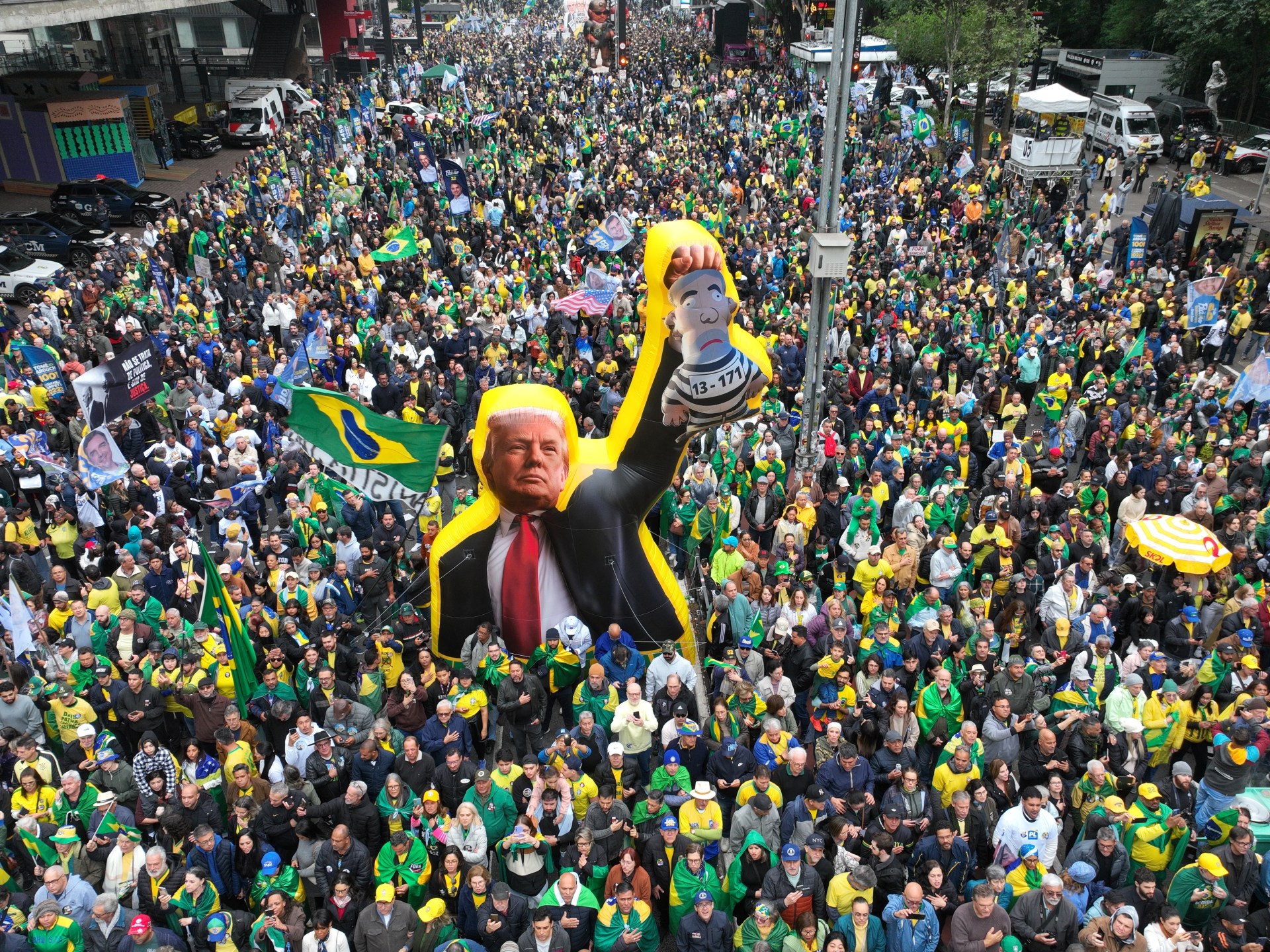
The Brazilian government has called for a comprehensive investigation into alleged US funding of domestic far-right movements, raising geopolitical tensions ahead of upcoming elections.
Geopolitical & Core Developments
The Brazilian federal government has officially requested a deep investigative probe into allegations that previous United States administrations directed financial and logistical support toward right-wing political movements within South America's largest democracy. The diplomatic démarche, launched through official channels in Brasilia, arrives at a highly sensitive juncture as the nation prepares for high-stakes presidential elections. State actors within the current Brazilian administration argue that foreign interference through covert or semi-official funding streams has actively destabilized domestic democratic institutions, compromised national sovereignty, and fueled polarized populist factions. Historical precedents of Cold War-era interventionism are frequently cited by regional analysts, though contemporary mechanics involve digital infrastructure, think tanks, and political consulting networks rather than direct paramilitary support. The timeline of these alleged financial flows coincides with heightened legislative battles over environmental deregulation, judicial independence, and foreign investment screening inside the Brazilian Congress, elevating the strategic stakes for regional governance.
Global Trade & Economic Ripples
While ostensibly a matter of diplomatic sovereignty and electoral integrity, the fallout from this investigation holds immediate implications for international commerce, global agricultural supply chains, and cross-border capital flows. Brazil remains an indispensable superpower in global commodity markets, serving as the world's leading exporter of soybeans, iron ore, beef, and coffee, alongside critical energy reserves in offshore pre-salt basins. Institutional investors and multinational trading houses are closely monitoring whether this political friction could spill over into regulatory hurdles for foreign direct investment, bilateral trade agreements, or environmental compliance frameworks enforced by Western economies. Currency markets have registered mild volatility in the Brazilian real as foreign exchange traders price in potential diplomatic retaliation or trade posturing between Washington and Brasilia. Furthermore, supply chain continuity for critical minerals and agricultural commodities relies heavily on stable bilateral relations, making any prolonged diplomatic standoff a risk factor for international price stability.
Related Intelligence: New York Rape Law Reform Debate Intensifies After Cornell Allegations
International Reactions & Diplomatic Stances
International response to Brasilia's demand has highlighted deep fractures in hemispheric diplomacy. Multilateral bodies, including the Organization of American States (OAS), have issued cautious statements emphasizing the inviolability of democratic processes while urging transparent dialogue between the two sovereign states. European Union diplomats have privately expressed concern over the fragility of democratic norms across Latin America, noting parallels with broader global trends in foreign political financing. Conversely, conservative factions within the United States Congress have defended past democracy-promotion expenditures as standard diplomatic practice, framing the Brazilian government's probe as a politically motivated maneuver designed to suppress domestic political opposition. Market analysts in London and New York warn that weaponizing regulatory and investigative apparatuses against perceived foreign meddling risks introducing structural unpredictability into trade negotiations and multilateral lending facilities.
Strategic Outlook & Future Scenarios
The trajectory of this diplomatic crisis depends heavily on the findings of the proposed Brazilian investigation and the corresponding political shifts in upcoming electoral cycles. Should the probe uncover concrete evidence of illicit or aggressive state-sponsored foreign interference, Brasilia may pursue formal complaints through international tribunals or enact retaliatory legislative measures restricting foreign political funding and non-governmental organization operations. Conversely, a de-escalation scenario remains plausible if backchannel diplomatic negotiations yield mutual concessions on trade tariffs, environmental cooperation, and regional security frameworks. Upcoming international summits, including the G20 and regional trade forums, will serve as critical litmus tests for whether bilateral ties can be repaired or if a prolonged cooling period will redefine North-South relations across the Americas.
Join Our Official WhatsApp Channel
Receive live commodity alerts, policy changes, and commercial intelligence directly on WhatsApp.