
US Deploys Marines to Middle East Amid Rising Iran Tensions and Hormuz Tanker Attack
The United States has reinforced its Middle East military posture with 2,000 Marines and a carrier strike group following a tanker attack in the Strait of Hormuz, intensifying geopolitical risks for global energy markets.
Geopolitical & Core Developments
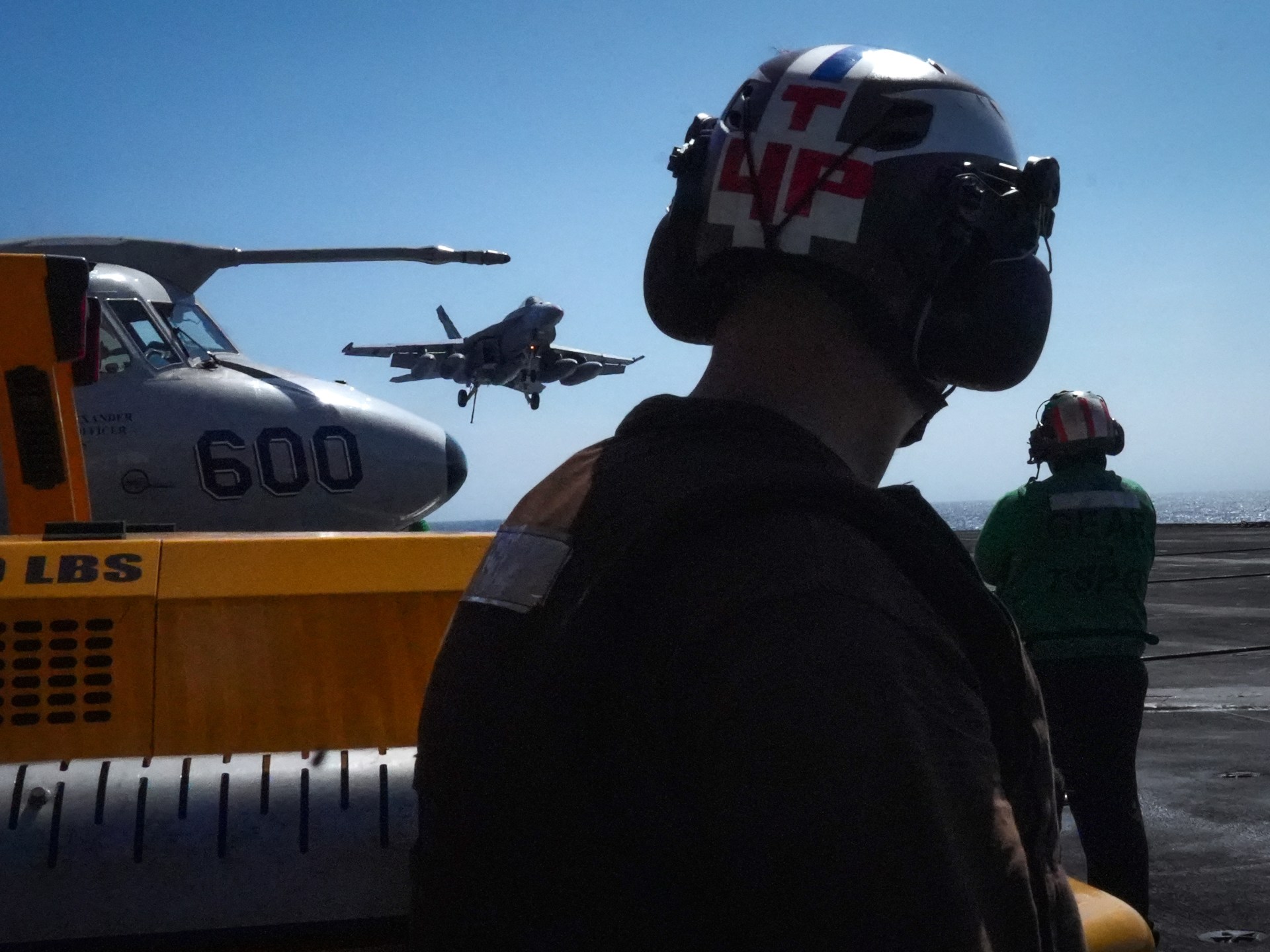
The United States has significantly escalated its military posture in the Middle East, authorizing the deployment of the USS Theodore Roosevelt carrier strike group alongside approximately 2,000 Marines assigned to the 26th Marine Expeditionary Unit. This major force redistribution is part of a broader, long-term strategic buildup designed to deter Iranian aggression and safeguard critical maritime chokepoints. The deployment follows an alarming kinetic incident in the Strait of Hormuz, where a commercial oil tanker sustained physical damage from an unidentified projectile. The attack underscores the severe vulnerability of regional waterways, which handle roughly a fifth of the world's petroleum consumption. Intelligence analysts and defense officials indicate that Washington's accelerated posture aims to signal unwavering deterrence to Tehran and its regional proxy networks, while simultaneously establishing robust contingency capabilities for potential non-combatant evacuations or direct force protection operations.
Global Trade & Economic Ripples
The convergence of expanded naval deployments and maritime kinetic activity has sent immediate shockwaves through international commodity markets, particularly global energy complexes. Brent crude and West Texas Intermediate futures experienced noticeable upward pressure as commodity traders rapidly re-priced geopolitical risk premiums. The Strait of Hormuz serves as the world's most critical energy artery; any sustained threat to vessel transit through this narrow passage directly imperils global supply chains. Insurance underwriters have begun introducing steep war-risk surcharges for vessels navigating the Persian Gulf, raising operational expenditure for shipping conglomerates. Furthermore, macroeconomic sentiment has turned defensive, leading to capital rotation toward safe-haven assets such as the US dollar and sovereign bonds. Importers and industrial consumers across Asia and Europe are actively evaluating emergency inventory buffers to guard against potential physical supply disruptions if regional friction continues to escalate.
Related Intelligence: US Public Rejects Conflict with Iran as Energy Markets Brace for Shock
International Reactions & Diplomatic Stances
Global capitals have responded to the deteriorating security environment with urgent diplomatic appeals for restraint. A spokesperson for the United Nations Secretary-General emphasized the paramount importance of freedom of navigation and urged all state actors to refrain from provocative measures that could spark an uncontrollable regional conflagration. European Union foreign policy representatives held emergency consultations to coordinate a unified diplomatic approach, reiterating their commitment to preserving the 2015 Iran nuclear agreement framework while condemning any threats to international commercial shipping. Meanwhile, regional powers including Saudi Arabia and the United Arab Emirates have expressed deep concern over maritime security, calling for enhanced multilateral intelligence sharing and cooperative naval patrols. Market analysts from major financial institutions note that while official rhetoric remains measured, the underlying diplomatic channels between Washington and Tehran are heavily strained, leaving little room for immediate de-escalation.
Strategic Outlook & Future Scenarios
Looking ahead, the trajectory of regional stability hinges critically on the behavior of both state and non-state actors operating within the Persian Gulf corridor. Strategic forecasters outline several plausible scenarios, ranging from a prolonged war of attrition characterized by intermittent asymmetric maritime harassment to a catastrophic direct military escalation. Upcoming diplomatic summits, including the upcoming UN General Assembly ministerial sessions, will serve as crucial testing grounds for backchannel negotiations. Economic sanctions remain a primary instrument of Western leverage, and policymakers are reportedly preparing secondary sanctions packages targeting illicit petroleum smuggling networks if provocations persist. Ultimately, commercial stakeholders across the global trade ecosystem must prepare for an extended period of elevated volatility, where geopolitical headlines dictate short-term commodity pricing and logistics routing strategies.
Join Our Official WhatsApp Channel
Receive live commodity alerts, policy changes, and commercial intelligence directly on WhatsApp.