
UK-Mauritius Chagos Treaty Stalls Amid Strategic and Humanitarian Pressures
Renewed negotiations over the UK-Mauritius Chagos sovereignty agreement stall, leaving displaced communities in limbo and raising strategic questions over the Diego Garcia military base.
Geopolitical & Core Developments
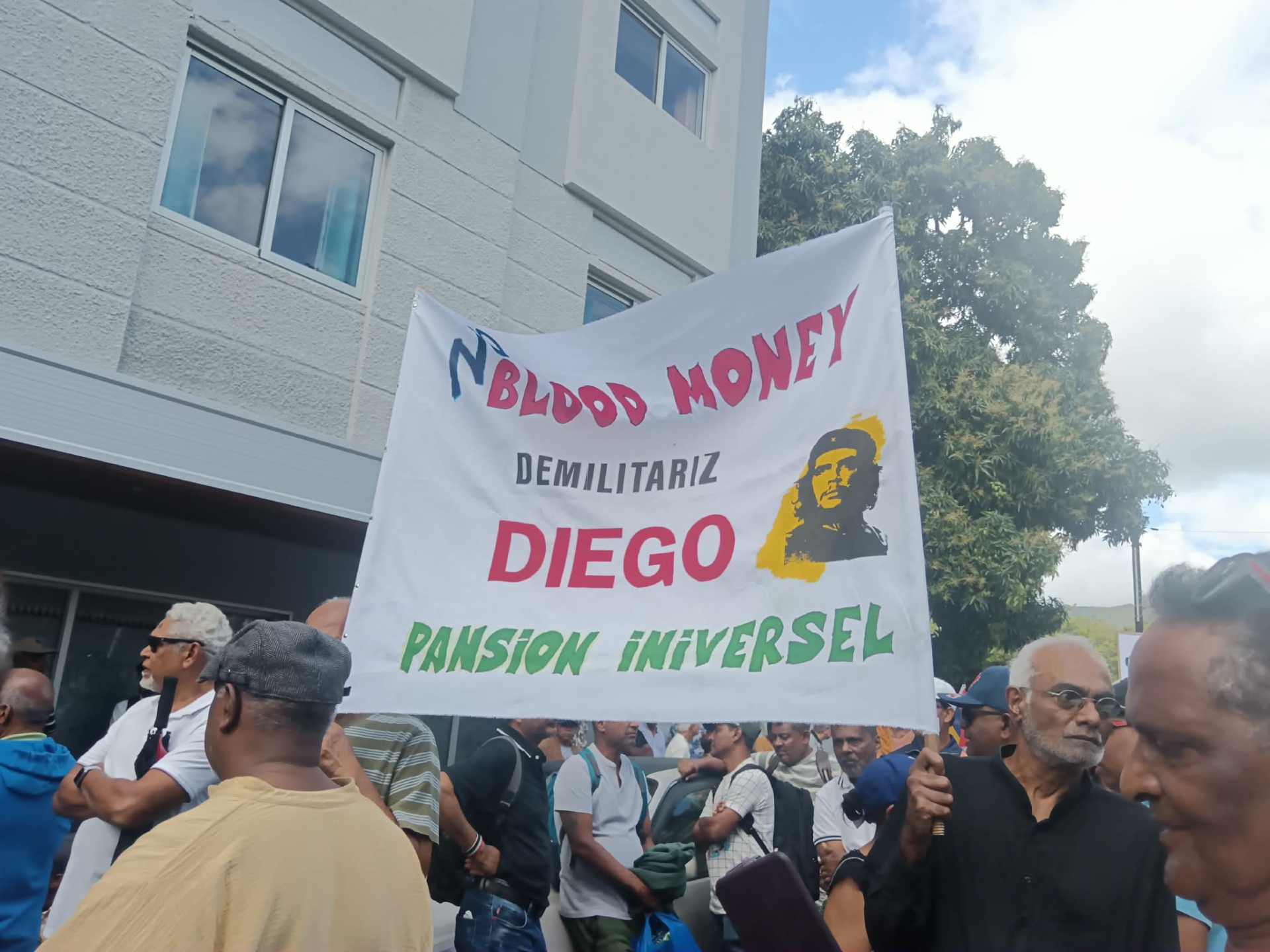
The protracted diplomatic negotiations between the United Kingdom and Mauritius regarding the sovereignty of the Chagos Archipelago have encountered fresh obstacles, casting a shadow over a landmark agreement initially designed to resolve a decades-long decolonization dispute. The core of the arrangement involves the UK ceding sovereignty of the islands to Mauritius while securing a long-term lease to maintain the strategic military base on Diego Garcia, a vital asset for Western intelligence and power projection in the Indian Ocean. However, shifting political landscapes in London, coupled with intense scrutiny from regional stakeholders and defense planners, have slowed the ratification process. For the displaced Chagossian community, who were forcibly evicted from their homeland in the late 1960s and 1970s to make way for the military installation, these delays represent a heartbreaking continuation of exile. Ageing first-generation survivors voice mounting anxiety that procedural paralysis and bureaucratic inertia will deny them the opportunity to return to their ancestral islands before the end of their lives.
Global Trade & Economic Ripples
While the Chagos Archipelago is not a major commercial production hub, its geographical positioning in the central Indian Ocean gives it immense logistical significance for global trade corridors and maritime security. The Diego Garcia base functions as a critical staging post for naval patrols and strategic logistics, ensuring the uninterrupted flow of commercial shipping through vital Indo-Pacific chokepoints. Any prolonged legal ambiguity or instability regarding the administration of the archipelago directly impacts the risk calculus for maritime insurers, global shipping conglomerates, and energy transit operators moving crude oil and liquefied natural gas from the Middle East to Asian growth markets. Furthermore, capital expenditure and infrastructure development in Mauritius remain constrained by the unresolved sovereignty question, delaying potential economic integration projects and regional supply chain enhancements that depend on clear legal jurisdictions and stable bilateral frameworks.
Related Intelligence: Escalating Middle East Violence Threatens Global Stability and Supply Chains
International Reactions & Diplomatic Stances
International bodies, including the United Nations and the International Court of Justice, have consistently maintained that the UK's continued administration of the Chagos Islands constitutes an unlawful colonial occupation, reinforcing the legitimacy of Mauritian claims. Western allies, particularly the United States, have monitored the negotiations with cautious pragmatism, prioritizing the unhindered operational capability of the Diego Garcia facility above all other considerations. Regional powers in the Indo-Pacific, including India, are observing the diplomatic maneuvers closely, mindful of how shifts in sovereignty could alter the regional balance of power. Meanwhile, human rights organizations and legal advocates have sharply criticized London for dragging its feet, arguing that protracted political wrangling disrespects fundamental international legal norms and inflicts ongoing psychological and humanitarian harm on the exiled population.
Strategic Outlook & Future Scenarios
As political pressures mount on both the British and Mauritian governments, the trajectory of the treaty remains fraught with uncertainty. Upcoming diplomatic summits and parliamentary debates in London will test the resolve of the current administration to finalize the pact without compromising national security guarantees or alienating key international allies. Should the negotiations collapse entirely, Mauritius is expected to pursue further legal and diplomatic measures at the United Nations General Assembly, potentially isolating the UK diplomatically. Conversely, a successful breakthrough would require robust financial compensation mechanisms and a legally binding resettlement framework to satisfy both Mauritian sovereignty demands and international security imperatives, setting a crucial precedent for post-colonial dispute resolution globally.
Join Our Official WhatsApp Channel
Receive live commodity alerts, policy changes, and commercial intelligence directly on WhatsApp.