
New York Rape Law Reform Debate Intensifies After Cornell Allegations
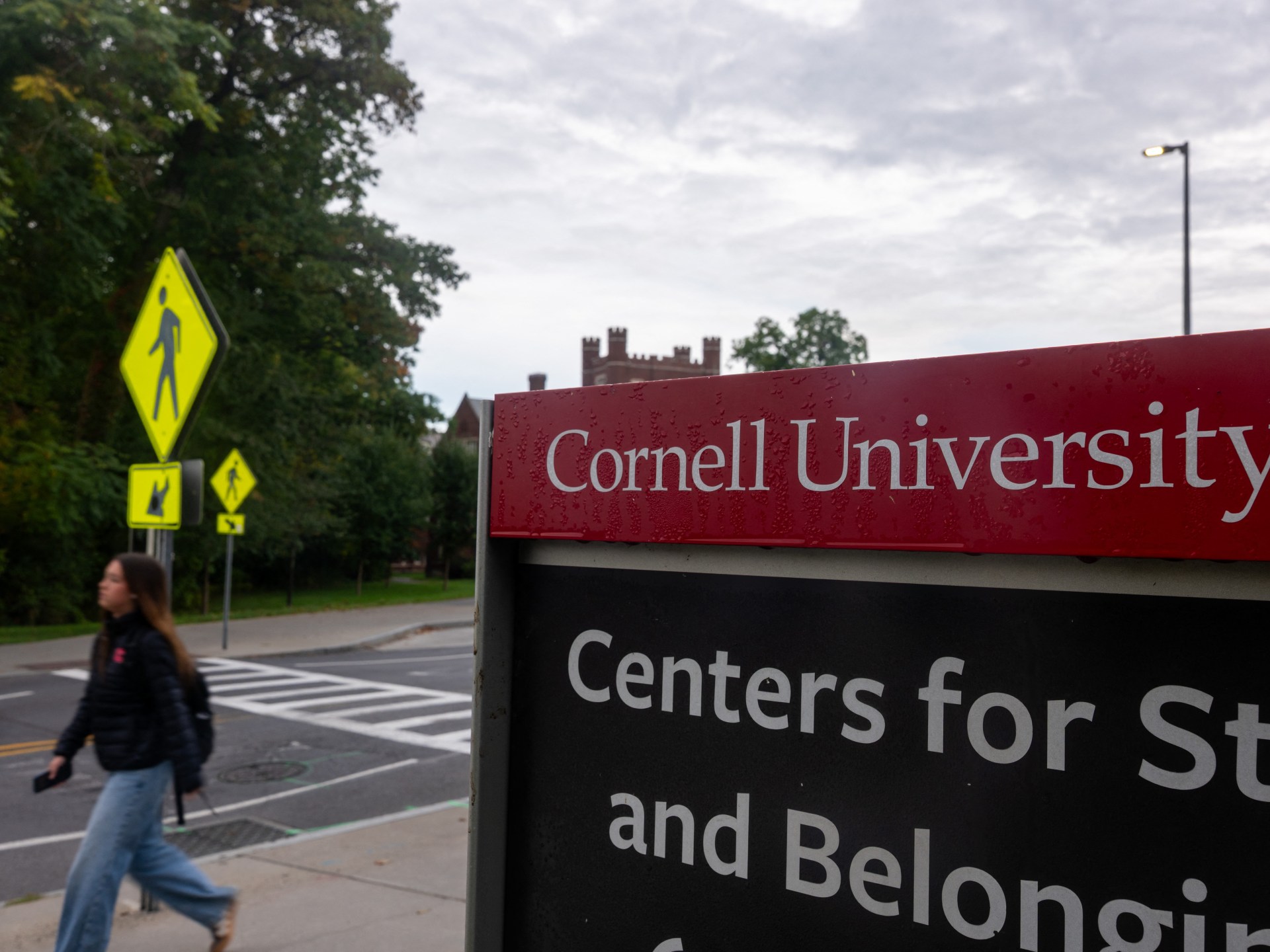
Recent sexual assault allegations at Cornell University have reignited legislative battles in New York over legal definitions of incapacitation and voluntary substance consumption.
Geopolitical & Core Developments
The debate surrounding New York State penal law has re-entered the legislative spotlight following high-profile sexual assault allegations at Cornell University. At the heart of the controversy is a statutory loophole concerning incapacitated victims. Under current New York penal law, prosecuting a sexual assault charge when a victim is incapacitated by alcohol or drugs depends heavily on whether the substances were consumed voluntarily or involuntarily. If an individual willingly consumed alcohol, prosecutors face a significantly higher legal burden to prove that the perpetrator recognized the victim's total incapacitation, whereas involuntary consumption carries stricter statutory protections.
Legal scholars, civil rights advocates, and student organizations have long criticized this statutory distinction as an archaic remnant that places undue burden on survivors. The renewed momentum in Albany follows detailed accounts from Cornell students who argue that current legal frameworks fail to reflect modern understandings of consent and intoxication. State lawmakers are facing mounting pressure to introduce comprehensive legislative overhauls that would eliminate the distinction between voluntary and involuntary substance consumption in sexual assault statutes, aligning New York with progressive legal standards adopted in other jurisdictions.
Global Trade & Economic Ripples
While primarily a domestic legal and social issue, the systemic handling of workplace and campus misconduct carries profound implications for institutional governance, risk management, and international corporate compliance. Multinational corporations, educational institutions, and global entities operating within New York are closely monitoring the legislative trajectory. In an era where Environmental, Social, and Governance (ESG) metrics heavily influence foreign direct investment and institutional capital allocation, institutional liability regarding safety and legal compliance is paramount.
Failure to modernize legal frameworks and enforce robust institutional protections can lead to severe reputational damage, talent drain, and escalated insurance premiums for organizations operating within the state. International investors increasingly factor legal stability, human rights protections, and institutional accountability into their risk assessments. Consequently, reforms in New York's legal code set a domestic benchmark that resonates across global corporate governance standards, influencing how multinational firms structure their compliance and risk mitigation strategies.
Related Intelligence: The Manchester City Leaks: Whistleblower Rui Pinto and Global Football Governance
International Reactions & Diplomatic Stances
Human rights organizations, international legal observers, and academic institutions worldwide have expressed solidarity with New York advocacy groups. While multilateral bodies such as the United Nations focus broadly on global gender equality and the eradication of gender-based violence through frameworks like CEDAW, local legislative shifts in influential global financial hubs like New York are frequently viewed as bellwethers for broader legal evolution.
International legal analysts emphasize that statutory ambiguities regarding consent and incapacitation undermine universal human rights standards. Observers from various democratic jurisdictions note that New York's current legal framework lags behind international best practices, which prioritize the objective incapacity of the victim regardless of how the intoxicating substance was introduced. The global academic community, in particular, is watching closely as universities face heightened scrutiny regarding Title IX enforcement and cross-border student safety.
Strategic Outlook & Future Scenarios
As the New York state legislative session progresses, the path toward statutory reform faces both formidable political backing and entrenched institutional resistance. Proponents of reform are mobilizing grassroots campaigns, lobbying key judiciary committee members, and leveraging media attention generated by the Cornell case to force a floor vote.
Future scenarios indicate that while passing comprehensive reform may encounter legislative hurdles, the sustained public discourse will likely compel universities and corporate entities to independently tighten their internal codes of conduct. If New York successfully amends its penal law, it could trigger a domino effect across other U.S. states with similar legal loopholes, ultimately reshaping the national landscape of criminal justice, institutional accountability, and survivor advocacy.
Join Our Official WhatsApp Channel
Receive live commodity alerts, policy changes, and commercial intelligence directly on WhatsApp.