
Black Sea Grain Strike Escalates Maritime Risks for Global Trade
A fatal Russian missile strike on a Turkish-owned grain vessel in the Black Sea has heightened geopolitical tensions and threatened critical agricultural supply chains.
Geopolitical & Core Developments
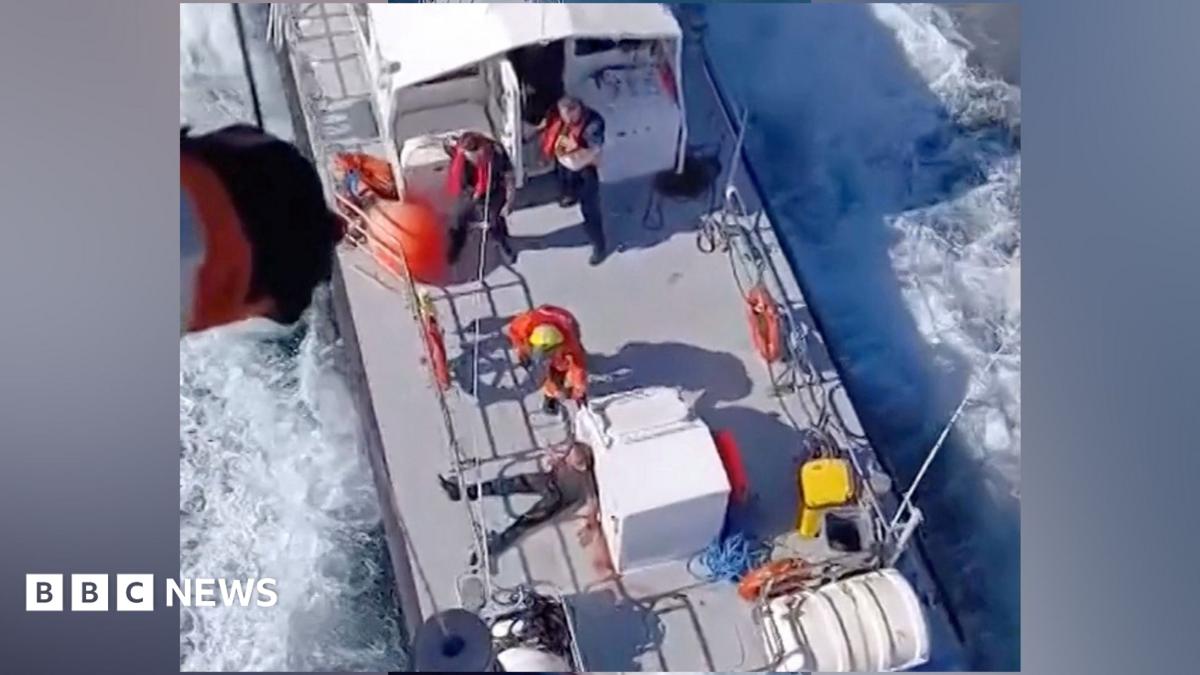
In a dramatic escalation of hostilities within the contested Black Sea basin, a Turkish-owned civilian cargo vessel transporting Ukrainian corn was struck by a Russian missile. Ukrainian President Volodymyr Zelensky condemned the attack as a horrific violation of maritime law and fundamental human safety, confirming that the vessel's captain was killed while eleven other crew members were successfully rescued by emergency responders. This incident marks a dangerous intensification of military operations targeting commercial logistics, directly challenging the fragile security corridors established to maintain international grain shipments from Ukrainian ports. The strike underscores the persistent vulnerability of commercial shipping navigating waters near active combat zones, where strategic military objectives increasingly intersect with vital civilian supply routes. State actors and naval analysts are closely monitoring the operational posture of both belligerents, as the Black Sea remains a central theater of economic and strategic contention in the ongoing conflict.
Global Trade & Economic Ripples
The targeting of agricultural exports in the Black Sea immediately reverberates through global commodity markets, threatening to destabilize international food prices just as supply chains showed signs of stabilization. Ukraine remains a cornerstone producer of staple grains, including corn and wheat, supplying millions of tons to international markets across Europe, Africa, and the Middle East. Following the strike, maritime insurers are expected to sharply increase war-risk premiums for vessels operating in the region, driving up transportation costs and squeezing profit margins for grain traders and agricultural conglomerates. Freight rates, charter costs, and maritime logistics are experiencing heightened volatility, raising concerns among importing nations dependent on consistent, predictable deliveries from the breadbasket of Eastern Europe. Any sustained disruption to these maritime arteries risks reigniting food inflation and aggravating food security crises in developing economies.
Related Intelligence: US Bomber Redeployment from UK Sparks Global Security and Energy Market Reassessment
International Reactions & Diplomatic Stances
Global capitals and multilateral organizations have responded with deep concern and sharp diplomatic condemnation following the attack on the grain carrier. Representatives from the United Nations and international maritime agencies reiterated that civilian shipping and agricultural infrastructure must never become targets in armed conflicts, emphasizing the imperative of protecting freedom of navigation. Ankara faces delicate diplomatic calculations as a NATO member and a primary guarantor of regional trade stability, given that the targeted vessel was Turkish-owned. European Union officials echoed these sentiments, labeling the strike a reckless endangerment of global food security and calling for reinforced international oversight to safeguard commercial vessels operating in international waters. Market analysts note that these diplomatic protests, while necessary, do little immediate to alleviate the operational anxieties of shipowners and trading houses.
Strategic Outlook & Future Scenarios
As the conflict enters a protracted phase, the security architecture of the Black Sea corridor faces unprecedented stress tests. Future scenarios point toward heightened friction between Russia and nations reliant on Ukrainian agricultural exports, potentially necessitating enhanced naval escort initiatives or alternative overland and riverine transit routes. Upcoming international summits and diplomatic forums will likely feature intense negotiations regarding the enforcement of safe passage zones and the implementation of stricter accountability measures for attacks on civilian assets. Should maritime security deteriorate further, global commodity markets must brace for structural shifts in supply chains, forcing importing nations to diversify sourcing origins and invest heavily in resilient, long-term food security strategies.
Join Our Official WhatsApp Channel
Receive live commodity alerts, policy changes, and commercial intelligence directly on WhatsApp.