
Bilawal Bhutto Zardari Blasts Political Opponents Over Sindh Governance
Bilawal Bhutto Zardari launched a sharp critique against political rivals in Sindh, accusing them of importing divisive governance tactics and threatening regional stability.
The Core Development
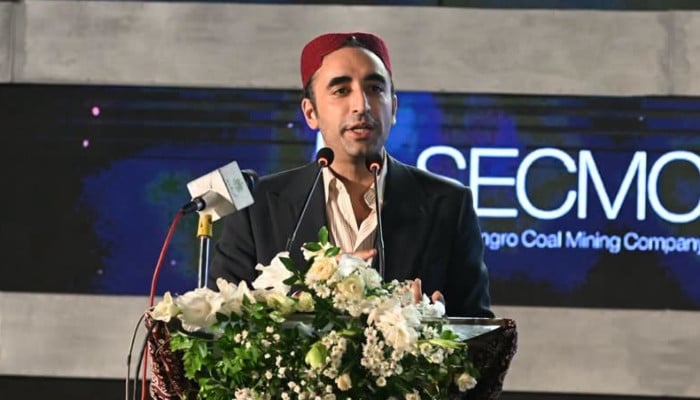
In a sharp escalation of political rhetoric within Pakistan's southern heartland, Pakistan Peoples Party (PPP) Chairman Bilawal Bhutto Zardari delivered a sweeping critique against his political opponents in Sindh. Speaking at a high-profile party gathering, the former foreign minister targeted regional adversaries, accusing them of attempting to uproot established political norms through disruptive agitation. The remarks underscore a deepening ideological rift between the ruling provincial administration and opposition factions vying for political footprint in urban and rural Sindh.
According to party insiders, the confrontation centers on administrative control, local government authority, and resource allocation across key districts, including Karachi and Hyderabad. The PPP leadership contends that opposition elements are manufacturing artificial crises to destabilize provincial governance structures. Analysts note that this friction has steadily intensified as national political parties maneuver for strategic positioning ahead of upcoming legislative milestones and economic policy rollouts.
Commercial & Economic Implications
While political polarization often remains confined to legislative chambers and public rallies, prolonged administrative friction carries tangible risks for Sindh's commercial ecosystem. As Pakistan's primary economic engine, contributing a disproportionate share of national manufacturing output and housing the country's busiest ports, Karachi requires unbroken regulatory predictability to sustain trade flows.
Business leaders and wholesale market associations have expressed persistent concern that heightened political volatility could disrupt supply chains, deter foreign direct investment, and stall crucial municipal infrastructure projects. Investor confidence remains highly sensitive to local stability; prolonged disruptions or civil unrest inevitably translate into sluggish retail turnover, volatile wholesale pricing, and dampened consumer sentiment. Ensuring uninterrupted port operations and smooth customs clearance is vital to preventing cost-push inflation across domestic markets.
Related Intelligence: Khyber Pakhtunkhwa Non-Cooperation Threatens National Security and Economic Stability
Stakeholder Perspectives & Market Reactions
Reaction from the broader business community and civil society has been measured, with trade bodies urging political stakeholders to prioritize economic recovery over partisan warfare. Representatives from the Karachi Chamber of Commerce and Industry (KCCI) reiterated that commercial stability depends heavily on bipartisan consensus regarding industrial policy, taxation frameworks, and energy tariffs.
Meanwhile, opposition parties have vehemently rejected the PPP chairman's characterizations, defending their right to agitate against alleged administrative mismanagement, inflated utility costs, and deteriorating municipal services. Legal experts suggest that while political sparring is a standard fixture of Pakistan's democratic landscape, unchecked escalation risks diverting legislative attention away from pressing structural reforms required under international financial arrangements.
Forward Outlook & Key Watchpoints
Looking ahead, market participants and political analysts will monitor whether the heated rhetoric translates into localized protests capable of impacting commercial districts. Key indicators to watch include upcoming sessions of the Sindh Provincial Assembly, scheduled infrastructure disbursements, and any formal dialogue between the provincial government and opposition leadership.
For businesses operating in the region, maintaining robust contingency plans against supply chain bottlenecks remains prudent. Ultimately, the trajectory of economic stability in Sindh will depend on the capacity of political leaders to insulate commercial activity from partisan disputes, ensuring that market fundamentals guide regional development rather than political confrontation.
Join Our Official WhatsApp Channel
Receive live commodity alerts, policy changes, and commercial intelligence directly on WhatsApp.