
Balkan Fragmentation Shapes Bilateral Diplomacy and Defense Deals With Israel
Balkan states are bypassing a unified foreign policy toward Israel, opting for transactional bilateral agreements anchored in defense procurement, security cooperation, and domestic political calculations.
Geopolitical & Core Developments
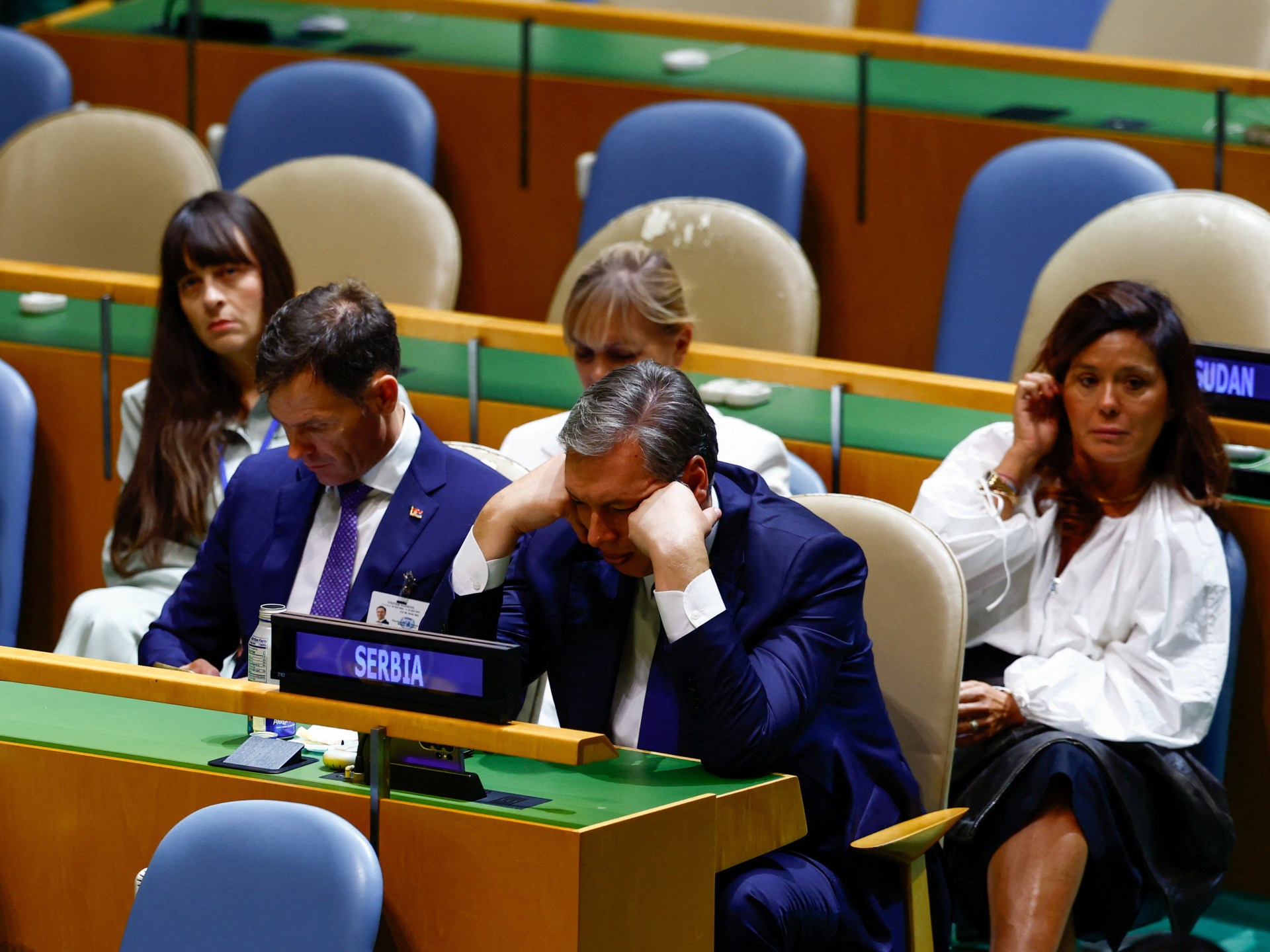
The geopolitical landscape of the Western Balkans is increasingly defined by transactional diplomacy, as sovereign states across the peninsula chart divergent courses in their bilateral relations with Israel. Rather than aligning with a cohesive European Union foreign policy framework, nations including Serbia, Albania, Bosnia and Herzegovina, and Kosovo are calibrating their diplomatic ties through the lens of national security, defense procurement, and historical domestic rivalries.
Belgrade has preserved robust diplomatic and commercial engagement with Tel Aviv, underscored by state-level arms transfers and strategic technology cooperation. Serbia's approach balances historical ties with Israel against its balancing act with non-aligned nations and European partners. Conversely, Kosovo's formal recognition of Israel—brokered under the 2020 Washington Agreement—culminated in the establishment of its embassy in Jerusalem, a rare move among European entities that underscored Pristina’s reliance on United States diplomatic patronage. Meanwhile, Bosnia and Herzegovina remains fundamentally polarized: the political leadership of Republika Srpska maintains vocal, direct solidarity with Israeli leadership, whereas Bosniak-majority institutions in Sarajevo voice sharp condemnation of Israeli military actions in the Middle East, reflecting persistent internal governance fractures.
Global Trade & Economic Ripples
The prioritization of bilateral pacts over multilateral alignment has direct commercial implications, particularly across defense technology, infrastructure, and cyber systems. Israeli defense contractors have found lucrative markets in Southeastern Europe, supplying unmanned aerial vehicles, counter-drone systems, border surveillance infrastructure, and advanced software solutions to Balkan security forces undergoing military modernization.
Beyond military contracts, these relationships intersect with broader regional logistics and energy transit corridors. While direct bilateral trade volumes between the Western Balkans and Israel remain relatively modest, commercial flows are integrated into Mediterranean maritime routes. Heightened geopolitical alignment influences capital flows, foreign direct investment in technology and real estate sectors in Belgrade and Tirana, and bilateral agricultural technology transfers. Regional instability or fragmented diplomacy complicates risk assessments for multinational logistics operators navigating trade between the Adriatic, the Black Sea, and Eastern Mediterranean ports, where insurance premiums and supply chain continuity remain sensitive to regional foreign policy shifts.
International Reactions & Diplomatic Stances
The lack of regional consensus has drawn scrutiny from the European Union, which continually urges Western Balkan candidate nations to harmonize their external policies with the Common Foreign and Security Policy (CFSP). European Commission officials have noted that unilateral diplomatic initiatives—such as positioning diplomatic missions in Jerusalem—deviate from established EU member-state consensus and complicate accession milestones.
Multilateral bodies, including the United Nations, observe these localized dynamics as reflective of broader systemic shifts toward multipolar foreign policy hedging. While Western capitals emphasize regional stability and alignment with transatlantic norms, regional actors increasingly prioritize immediate tactical security partnerships. Analysts in Athens, Ankara, and Brussels observe that external powers, including the United States, Gulf states, and Turkey, are closely watching these bilateral dynamics, as Turkish influence across Muslim-majority populations in the Balkans contrasts sharply with expanding Israeli technological and intelligence cooperation in neighboring capitals.
Strategic Outlook & Future Scenarios
Looking ahead, the Western Balkans' relationship with Israel is expected to remain largely pragmatic, fragmented, and insulated from regional consensus. The primary variable governing future trajectory will be European accession pressures versus the domestic utility of external security partnerships. Should EU enlargement negotiations demand stricter CFSP compliance, candidate nations like Serbia and Albania may face difficult trade-offs between strategic technology procurement from Tel Aviv and regulatory alignment with Brussels.
Furthermore, the evolution of Middle Eastern security dynamics will test these bilateral frameworks. In Bosnia and Herzegovina, foreign policy diverges along ethno-national lines, heightening domestic institutional gridlock. Across the broader region, strategic partnerships will likely center on dual-use technology, intelligence sharing, and targeted infrastructure investments, consolidating a multi-tiered diplomacy where national security interests supersede collective regional or continental mandates.
Join Our Official WhatsApp Channel
Receive live commodity alerts, policy changes, and commercial intelligence directly on WhatsApp.